
1991 Equipment For Sale
Browse 1991 trucking equipment for sale, including older commercial trucks, trailers, and specialty units with durable specs and value pricing.
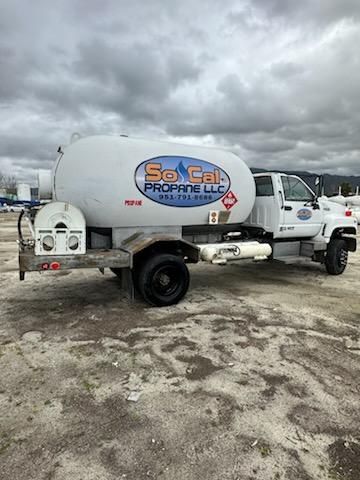
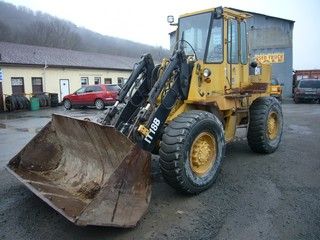
Selling a 1991 equipment? List your 1991 equipment for sale and reach thousands of commercial buyers.
1991 Equipment
Condition matters more than age alone on 1991 equipment. A well-kept 1991 day cab, sleeper, dump truck, flatbed truck, tanker, or lowboy tractor can be a better buy than a newer unit with poor maintenance history. Frame condition, rust, engine blow-by, transmission performance, suspension wear, brake system condition, and evidence of prior structural repairs should all get close attention. On trailers, buyers should look hard at crossmembers, floors, upper coupler area, slider function, landing gear, suspension components, brake chambers, and tire wear patterns. Because many 1991 units have been rebuilt, repowered, stretched, or reconfigured over time, it is important to verify VIN details, axle ratings, wheelbase, kingpin settings, and any changes that affect payload or application.
Application should drive the buying decision. Older 1991 trucking equipment often fits farm use, local hauling, construction support, export, off-road service, or fleets that need a backup unit rather than a daily over-the-road truck. A 1991 conventional tractor may appeal to operators looking for a simple pre-emissions platform, while a 1991 trailer can still be productive if the structure, running gear, and brakes are sound. Buyers should also factor in registration rules, DOT compliance requirements, emissions exemptions by state, and parts availability for older driveline, brake, and suspension systems. In some cases, an older truck or trailer is best suited for private property, seasonal demand, or low-mileage regional work rather than high-utilization highway service.
The value in 1991 trucking equipment is usually found in specific use cases, not broad generalization. A buyer who knows the intended cargo, route, axle needs, and maintenance budget can often find strong value in this year range. Service records, component rebuild history, tire date codes, brake measurements, and signs of consistent upkeep are usually more important than cosmetics. The best 1991 equipment purchases tend to be units with honest specifications, documented repairs, and a clear fit for the job they are expected to do.
Frequently Asked Questions about 1991 Equipment
Is 1991 trucking equipment still practical for commercial use?
It can be, but practicality depends on the application, local regulations, and overall condition of the unit. Many 1991 trucks and trailers are best suited for farm work, construction support, local hauling, export, or backup fleet use rather than high-mileage over-the-road service. Buyers should confirm DOT compliance, title status, brake condition, lighting, tire age, and any state-specific emissions or registration rules before putting older equipment into regular commercial operation.
What should I inspect first on a 1991 truck or trailer?
Start with the structural and drivetrain basics. On trucks, inspect the frame rails, crossmembers, engine condition, transmission operation, rear ends, suspension, brake system, steering components, and wiring. On trailers, pay close attention to the frame, upper coupler, floor, crossmembers, suspension, axles, brakes, and landing gear. Corrosion, weld repairs, uneven tire wear, air leaks, and signs of poor past maintenance usually tell more about the equipment than model year alone.
Are parts hard to find for 1991 trucking equipment?
Parts availability varies by make, model, and component brand. Common drivetrain components from major engine, transmission, and axle manufacturers are often still supported through aftermarket sources, salvage yards, and rebuild channels. The harder items to source are usually cab parts, trim, older electrical components, obsolete brake hardware, and model-specific interior or body pieces. Buyers should identify major components by serial number and confirm support before committing to a purchase.
Does older 1991 equipment offer any advantages over newer units?
Yes, in the right setting. Older trucking equipment often has simpler mechanical systems, fewer electronics, and no modern emissions aftertreatment, which can make troubleshooting and repairs more straightforward. Purchase price is usually lower as well. That said, the tradeoff can include more wear, less driver comfort, lower fuel efficiency, and a greater need for preventive maintenance. The advantage is strongest for buyers who prioritize simplicity and have a realistic service plan.
How do I know if a 1991 unit has been rebuilt or modified properly?
Look for documentation and compare the paperwork to the actual unit. Engine rebuild invoices, transmission work orders, axle tags, frame repair records, and updated VIN or title information can help verify what has been changed. Physically inspect for non-factory welds, repainted frame sections, altered wheelbase, replacement cabs, or drivetrain swaps. A modified older unit is not automatically a problem, but the work should be identifiable, consistent, and appropriate for the intended load and duty cycle.