
1981 Equipment For Sale
Browse 1981 trucking equipment for sale, including vocational, material handling, support, and specialty units for fleet and jobsite use.
Selling a 1981 equipment? List your 1981 equipment for sale and reach thousands of commercial buyers.
1981 Equipment
Condition matters more than age in this category. On older trucking equipment, the real buying decision usually comes down to engine type, hydraulic condition, brake performance, tire or cushion tire condition, hour-meter credibility, and parts support. Mechanical diesel engines, propane industrial power, and basic electric systems are common in older support equipment because they are familiar to technicians and often easier to troubleshoot. Buyers should pay close attention to mast wear on forklifts, cylinder leaks, transmission engagement, steering play, structural cracks, and whether key safety items like parking brakes, lights, and emergency shutoffs still function correctly. If the equipment will be used around docks, yards, or plants, overall dimensions, lift height, turning radius, and load rating are just as important as the powertrain.
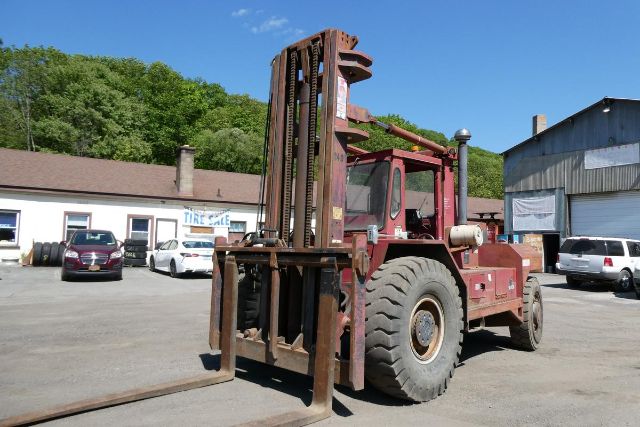
Application should drive the purchase. A 1981-era piece of trucking equipment may still be a practical fit for occasional yard use, low-hour seasonal work, backup duty, or a dedicated task where new equipment is hard to justify. Forklifts and industrial lifts in this broad category are often chosen by lift capacity, mast style, fork length, fuel source, and indoor versus outdoor operating environment. Specialty support equipment such as generators, light plants, tanks, or service units should be evaluated for output, vessel specifications, frame condition, and transport requirements. Older vocational trucks and attachments can be useful when registration, weight class, and operating limits align with the job, but buyers should verify compliance items carefully before putting them into regular road service.
For a 1981 trucking equipment purchase, inspection discipline is critical. Look for evidence of rebuilds, replacement components, and signs that the machine has been kept in intermittent service instead of left idle for long periods. Ask about serial tags, model-specific parts availability, cold-start behavior, charging system output, and any known issues with brakes, hydraulics, or controls. Equipment from this period can still deliver solid utility when it has been maintained and matched to realistic workloads, but it is rarely a good candidate for buyers who need high utilization, easy financing, or modern operator comfort and compliance features.
Frequently Asked Questions about 1981 Equipment
What types of equipment are commonly included in a 1981 trucking equipment category?
This category can include older forklifts, industrial lifts, yard support equipment, specialty tanks, generators, light towers, and vocational trucks or attachments tied to trucking operations. The defining factor is usually function rather than body style. Buyers should expect a broad mix of equipment used for loading, onsite support, storage, transfer, or specialty service work.
Is 1981 trucking equipment still practical for commercial use?
It can be practical if the equipment is being bought for the right duty cycle. Older machines are often best suited for backup service, seasonal use, farm and yard work, or narrow applications where low purchase cost matters more than speed and operator amenities. For daily high-hour commercial production, maintenance burden, parts support, and downtime risk become much more important.
What should I inspect first on older trucking equipment from this era?
Start with the powertrain, hydraulics, brakes, steering, structure, and any safety-related controls. On forklifts and industrial units, inspect mast channels, chains, cylinders, forks, tilt function, and tire condition. On specialty support equipment, verify engine operation, output performance, frame integrity, and whether gauges, lights, and emergency systems work as intended. A weak brake system or leaking hydraulics can quickly turn a low-cost purchase into a repair project.
Are parts still available for 1981 trucking equipment?
Parts availability depends heavily on the make, model, engine, and component suppliers used on the machine. Common industrial engines, standard hydraulic components, and legacy forklift parts are often easier to source than brand-specific body or control parts. Buyers should confirm support for wear items, seals, filters, brakes, tires, and electrical components before committing, especially if the equipment is expected to stay in regular service.
How do buyers judge value on 1981 equipment when the age is already high?
Value is usually based on operating condition, completeness, repair history, and job fit rather than model year alone. A clean, fully functional unit with good hydraulics, strong compression, and usable tires can be worth more than a newer machine with deferred maintenance. Hour readings on older equipment may be less reliable, so buyers often place more weight on inspection results, documented repairs, and how the machine performs under load.