
1979 Equipment For Sale
Browse 1979 trucking equipment listings and compare specs, applications, condition, and maintenance points for older commercial units.
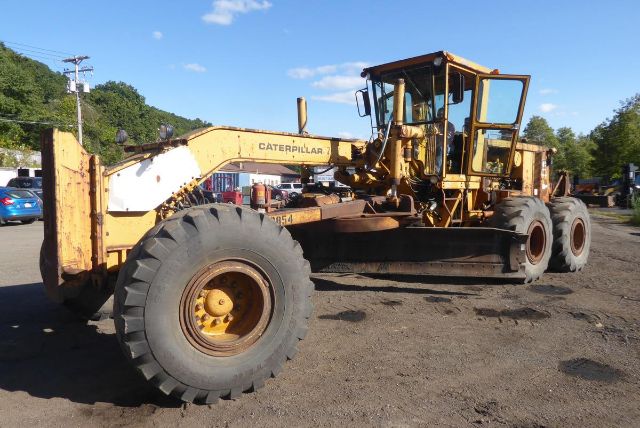
Looking for the easiest place to sell your 1979 equipment? List it here to reach thousands of buyers.
1979 Equipment
On 1979 equipment, condition matters more than the hour meter or odometer by itself. Buyers should look closely at engine starting behavior, smoke under load, oil pressure, transmission engagement, hydraulic cylinder leakage, steering play, brake function, and structural wear around frames, booms, mounts, crossmembers, and attachment points. Rust and previous repairs deserve extra attention, especially on equipment that spent years in northern climates, around fertilizer, or in municipal service. Tires, wheel seals, hoses, wiring repairs, gauges, and cab components can add meaningful reconditioning cost even when the machine runs well.
Specification choices on older trucking equipment tend to reflect practical work applications rather than highly specialized electronic packages. Diesel engines from the late 1970s are commonly sought for their mechanical fuel systems and familiar service procedures, while gas or propane-powered units may appear in warehouse, municipal, or lighter-duty roles. Depending on the equipment type, buyers may want to confirm lift capacity, mast or boom height, PTO operation, axle ratings, transmission type, hydraulic flow, attachment compatibility, and overall operating weight. On any older commercial unit, a clean serial tag, legible identification plates, and records of engine, transmission, or hydraulic work can add confidence during the buying process.
For many fleets, farms, yards, and owner-operators, 1979 trucking equipment makes sense when the goal is dependable utility at a lower acquisition cost than newer iron. The best candidates are units with visible upkeep, honest wear, and specifications that still fit the intended job. A careful inspection is essential because older equipment can offer strong value when major systems are sound, but deferred maintenance can quickly outweigh the purchase price. Buyers comparing listings should focus on application fit, service history, parts support, and the true cost to put the equipment into regular operation.
Frequently Asked Questions about 1979 Equipment
Is 1979 trucking equipment still practical to buy for regular work?
Yes, 1979 trucking equipment can still be practical if the machine matches the job and the major systems are in solid condition. Many units from this period are valued for mechanical simplicity, straightforward hydraulics, and easier field repairs compared with later electronically controlled equipment. The key is to judge the unit by present condition, parts support, and maintenance history rather than model year alone.
What should I inspect first on 1979 commercial equipment?
Start with the engine, transmission, hydraulics, brakes, steering, and frame condition. Cold-start performance, excessive blow-by, fluid contamination, hard shifting, weak hydraulic response, cylinder seepage, and visible structural repairs are all important signs of future cost. Tires, wiring, gauges, and safety items should also be checked because smaller neglected issues on older equipment can add up quickly.
Are parts still available for 1979 trucking equipment?
Parts availability depends on the manufacturer, model, engine family, and how widely that platform was used. Wear items such as filters, belts, hoses, seals, brake parts, and some drivetrain components are often still obtainable through aftermarket suppliers or specialty salvage sources. Hard-to-find sheet metal, cab trim, proprietary hydraulic components, and certain transmission parts can be more challenging, so buyers should confirm support before purchase.
Does older equipment have any advantages over newer models?
Older equipment often appeals to buyers who want lower upfront cost and less electronic complexity. Mechanical injection diesel engines, simpler controls, and conventional hydraulic layouts can make troubleshooting easier for shops familiar with older machinery. That said, the tradeoff may include fewer comfort features, lower productivity, and more time spent sourcing parts or addressing age-related wear.
How do I evaluate value on a 1979 equipment listing?
Value comes from usable condition, correct specifications, and the cost of needed repairs. A well-kept unit with strong engine performance, dry hydraulics, good tires, and documented service can be a better buy than a cheaper machine needing major drivetrain or structural work. Buyers should compare not only asking price but also reconditioning cost, transport, attachment needs, and expected downtime before the equipment can go to work.