
1978 Equipment For Sale
Browse 1978 trucking equipment for sale, including classic trucks, trailers, and support gear with buyer-focused guidance on specs, condition, and use.
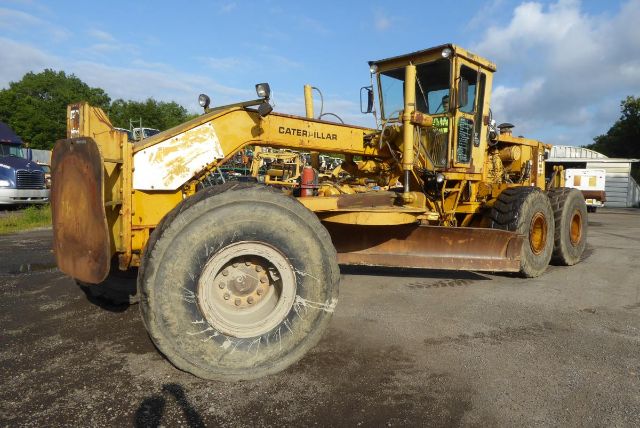
Selling a 1978 equipment? List your 1978 equipment for sale and reach thousands of commercial buyers.
1978 Equipment
Condition matters more than category alone when evaluating 1978 trucking equipment for sale. On trucks, buyers typically focus on engine family, transmission type, rear axle ratio, brake system, and whether the unit has been updated over time. Mechanical diesel engines, manual transmissions, steel suspensions, and straightforward electrical systems are common on equipment from this era. On trailers and vocational equipment, the important questions are usually frame condition, crossmember integrity, floor or deck wear, landing gear operation, brake condition, and signs of prior repairs. Rust, fatigue cracking, obsolete components, and title or VIN plate issues can be more important than odometer or hour readings on equipment this old.
Application should drive the buying decision. A 1978 day cab or vocational truck may still make sense for farm hauling, yard spotting, off-road jobsite support, parade or promotional use, or as a platform for refurbishment. Older trailers can still serve in storage, low-mileage local work, or on private routes if structure and running gear are sound. Buyers should also confirm current compliance requirements before purchase, especially if the equipment will operate on public roads. Registration rules, lighting standards, brake requirements, tire date codes, and emissions exemptions vary by state and by use case. That is particularly important with older heavy-duty trucks, also known as semis, road tractors, or conventional trucks depending on configuration.
The smartest approach with 1978 trucking equipment is to inspect for serviceability, not just appearance. Look for evidence of engine rebuilds, transmission or differential work, wiring repairs, brake updates, and suspension replacement. Verify that wear items and hard parts are still obtainable through OEM, aftermarket, salvage, or cross-reference channels. If the unit has been restored, determine whether the work was cosmetic or mechanical. If it remains original, expect to budget for hoses, seals, tires, brake components, air system repairs, and electrical cleanup. Older trucking equipment can still deliver value when the structure is sound, the drivetrain matches the intended workload, and the buyer understands the maintenance demands that come with classic commercial equipment.
Frequently Asked Questions about 1978 Equipment
What should I check first when buying 1978 trucking equipment?
Start with structural condition and legal identity. Confirm the VIN or serial plate is present and matches the title or registration documents. Then inspect the frame, suspension mounting points, crossmembers, brake system, steering components, and any visible repairs or cracks. On trucks, engine condition, transmission operation, axle noise, and air system performance usually matter more than cosmetic appearance. On trailers, rust, floor condition, brake function, and running gear wear are often the most important factors.
Is 1978 trucking equipment still practical for commercial use?
It can be, but practicality depends on the application, operating area, and local regulations. Older equipment is often best suited for farm use, private-property operation, seasonal work, export, restoration, or limited local hauling. Some buyers prefer 1978-era equipment because it is mechanically simpler and may avoid later emissions systems. That said, roadworthiness, parts availability, insurance requirements, and state registration rules should be verified before purchase if the unit will be used in active commercial service.
Are parts still available for 1978 trucks and trailers?
Many service parts are still available, especially for common drivetrain, brake, suspension, wheel-end, and lighting systems. Availability is usually strongest for widely used engine and transmission platforms, standard axle components, and generic trailer parts. The challenge is more often with cab trim, interior pieces, obsolete electrical components, and model-specific hardware. Buyers should identify major components by make and model before purchase so they can confirm aftermarket, salvage, or remanufactured parts support.
Does mileage matter on 1978 trucking equipment?
Mileage matters, but not as much as maintenance history and overall condition. On equipment of this age, odometers may have rolled over, hour meters may be inaccurate, and many major components may already have been rebuilt or replaced. A lower-mile unit with poor storage and neglected service can be a worse buy than a higher-mile unit with documented engine, transmission, brake, and suspension work. Inspection records, receipts, and evidence of component replacement are often more useful than the displayed mileage alone.
What makes a 1978 truck or trailer a better value than a newer unit?
The main advantages are lower acquisition cost, simpler mechanical systems, and potential usefulness in specialized or low-mileage roles. Buyers looking for farm trucks, yard units, restoration projects, or basic vocational equipment may find solid value in older assets that do not need the complexity of newer electronics and emissions equipment. The tradeoff is that older equipment usually requires more hands-on inspection, more preventive maintenance, and a clearer understanding of how it will be used. Value comes from buying a sound platform with realistic expectations for repair and upkeep.