
1975 Equipment For Sale
Browse 1975 trucking equipment listings including trailers, forklifts, yard support gear, and specialty units with buyer-focused specs and guidance.
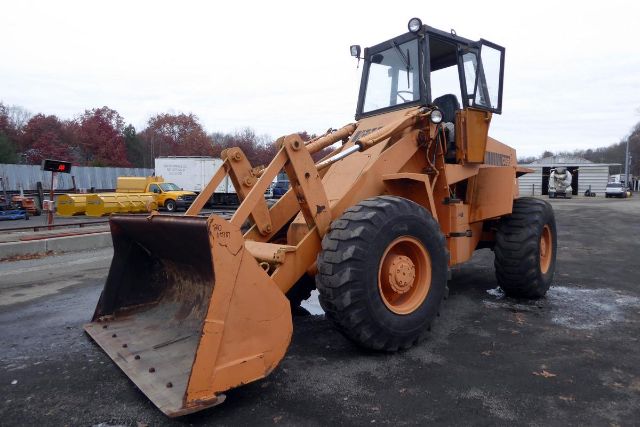
Selling a 1975 equipment? List your 1975 equipment for sale and reach thousands of commercial buyers.
1975 Equipment
Condition matters more than hours or appearance on older trucking equipment. Buyers should look closely at structural wear, hydraulic cylinder leakage, steering play, mast or boom wear points, cold-start behavior, charging system output, and signs of improvised repairs. On towable support equipment, check coupler or pintle condition, axle ratings, lighting, tire age, and brake function. On forklifts and industrial machines, verify lift capacity, mast type, side shift operation, tilt function, tire condition, and fuel system setup if the unit is LP, diesel, or gas powered. Older equipment often has simpler mechanical systems, which can be an advantage for owner-operators and smaller fleets that want lower acquisition cost and easier field repairs.
This category can include equipment used for loading, unloading, yard handling, roadside support, site lighting, and general fleet operations. Common specs vary widely by machine type, but buyers should always confirm operating weight, payload or lift rating, overall dimensions, loading height or lift height, power source, and transport requirements. Parts availability is especially important on 1975 equipment because some OEM components may be discontinued. In many cases, aftermarket parts, salvage components, and cross-referenced industrial parts keep older units productive, but that should be confirmed before purchase. Tire sizes, fork dimensions, mast collapsed height, hitch type, and electrical output can all affect how well the equipment fits into an existing operation.
Older trucking equipment is usually best suited for budget-conscious buyers who know the job it needs to do and do not need the latest emissions package, electronics, or operator-assist features. A well-kept unit from this era can still be useful in low-hour, backup, seasonal, or dedicated-site service. The best values are usually machines with clear maintenance history, visible evidence of regular servicing, and standard configurations that are easier to support. When comparing listings, focus on functional specs, transport logistics, and repair risk. That approach gives a better picture of true value than model year by itself.
Frequently Asked Questions about 1975 Equipment
What should I inspect first on 1975 trucking equipment?
Start with the structure, powertrain, hydraulics, and basic safety systems. Look for frame cracks, corrosion, worn pins and bushings, leaking cylinders, loose steering, brake issues, outdated wiring repairs, and hard-starting engines. On any older unit, evidence of consistent maintenance is usually more important than paint or cosmetic condition.
Is 1975 trucking equipment still practical for commercial use?
Yes, but usually in the right role. Older equipment is often a fit for backup service, seasonal work, dedicated yard duty, farm use, shop support, or low-hour applications where simplicity and lower purchase cost matter more than modern electronics or emissions compliance. Practicality depends on parts access, mechanical condition, and how critical uptime is to the operation.
How important is parts availability on equipment from this era?
Parts availability is one of the biggest buying factors. Many 1975 machines can still be maintained through aftermarket suppliers, salvage yards, and industrial cross-reference parts, but not every component is easy to source. Buyers should confirm availability for wear items, seals, filters, brake parts, ignition or fuel system components, and any machine-specific structural or hydraulic parts before committing.
Do hours matter on older trucking equipment?
Hours help, but they are not the whole story. Hour meters on older equipment may have been replaced, may not function correctly, or may not reflect actual wear. Pedal wear, control slop, mast or boom wear, engine smoke, driveline response, and hydraulic performance often tell more about a machine's real condition than the recorded hours alone.
What specs are most important when comparing older equipment listings?
Focus on the specs that affect the job and transport plan. That usually includes capacity, operating weight, overall length and width, collapsed and working height, power source, tire type and size, hitch or trailer setup, and any attachments or auxiliary hydraulics. On support equipment, electrical output, lighting package, and towing compatibility may be just as important as engine details.