
Cab and Chassis Trucks For Sale in Montana
No exact matches found for your search
Showing Cab and Chassis Trucks instead.
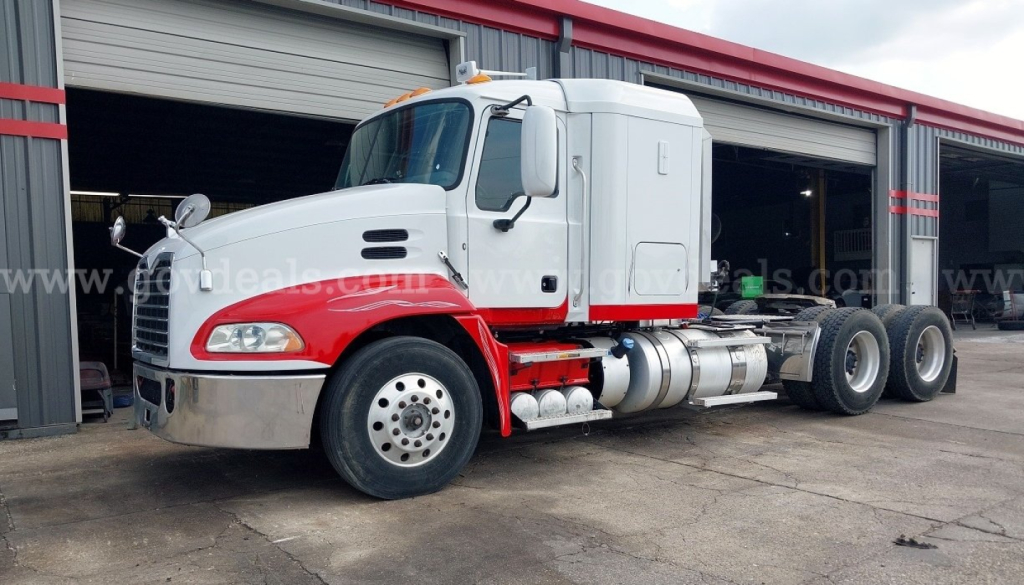

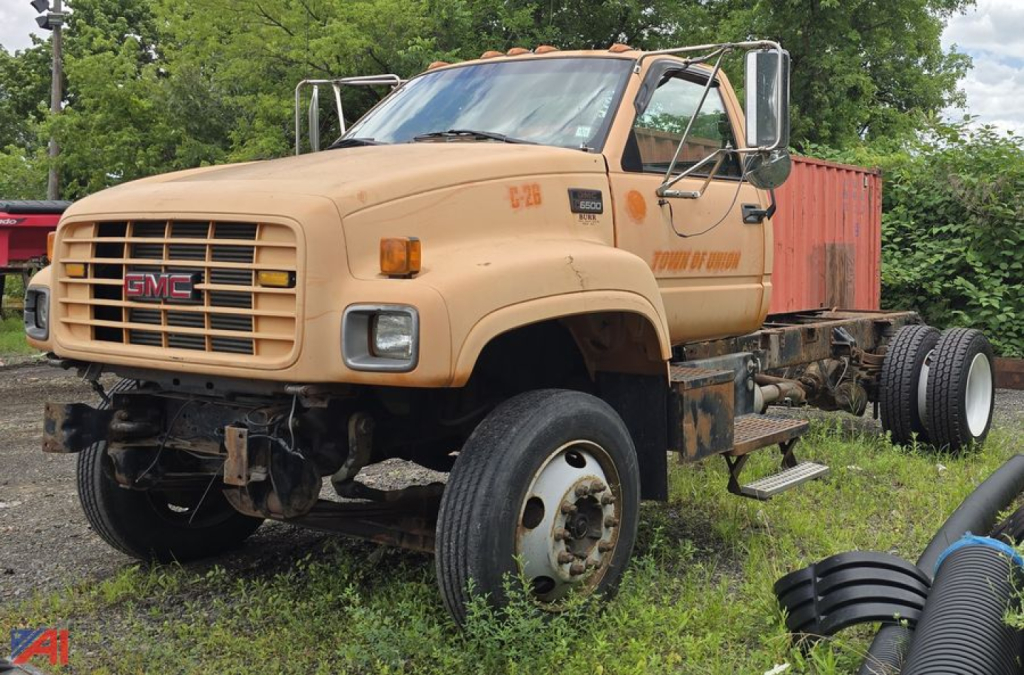
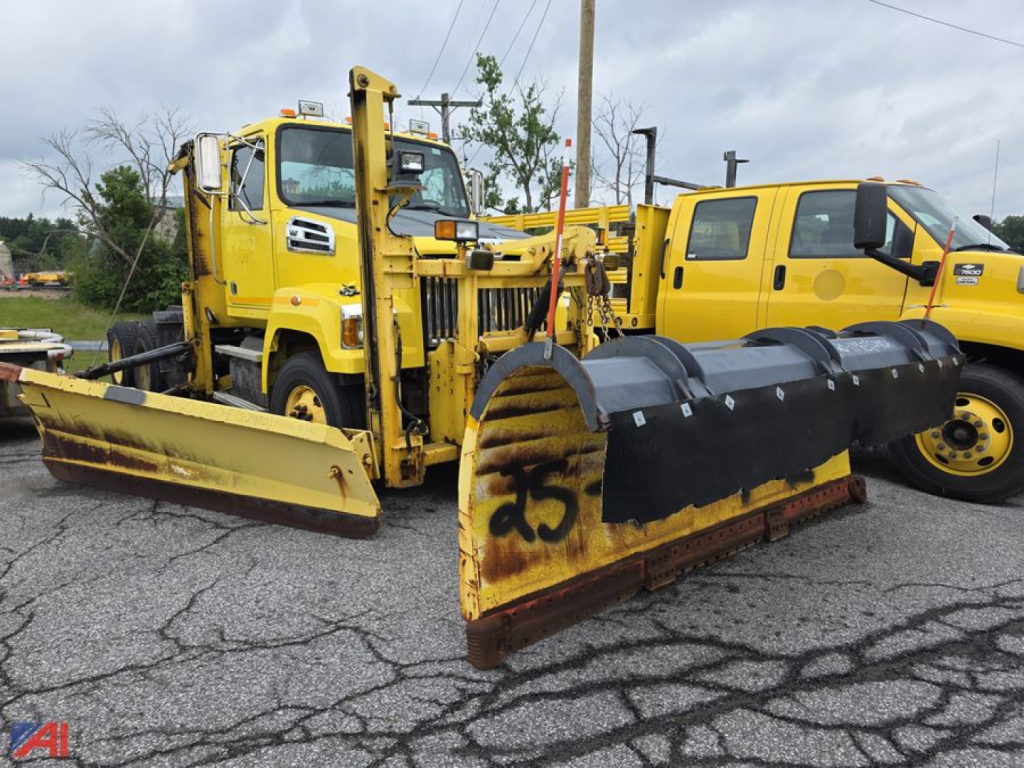
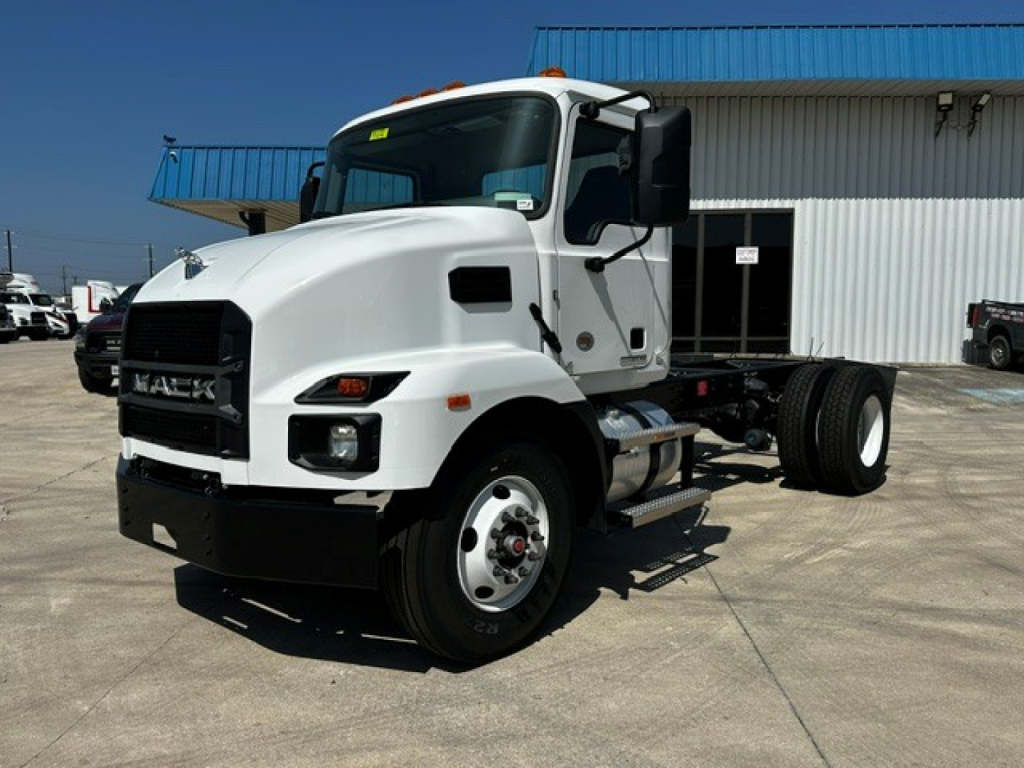
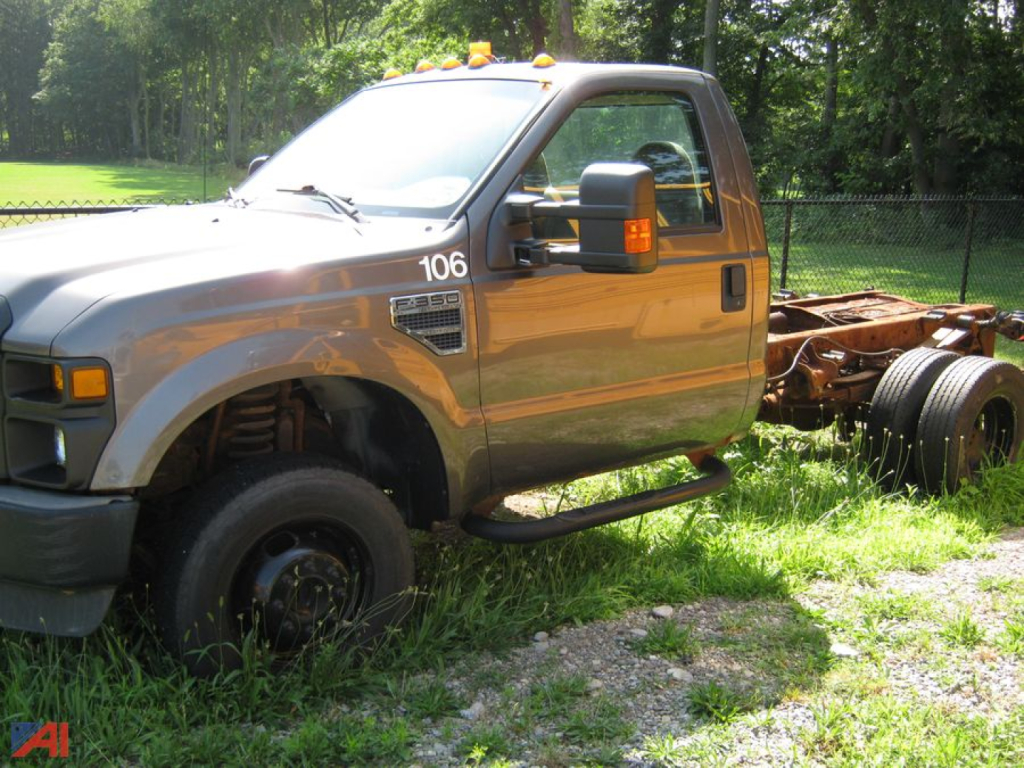
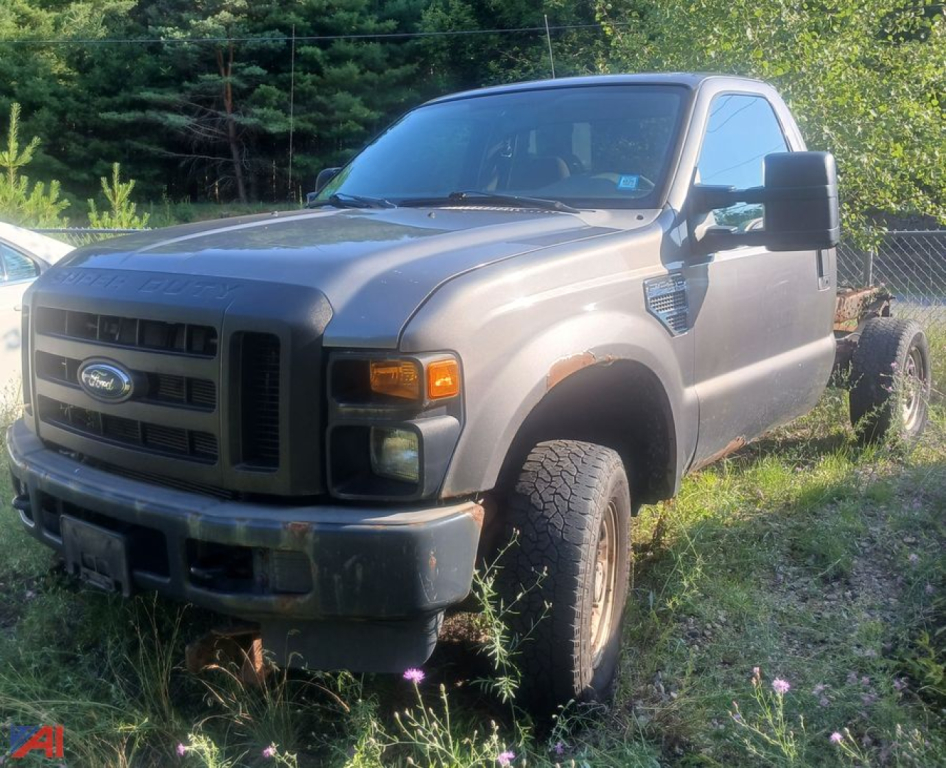
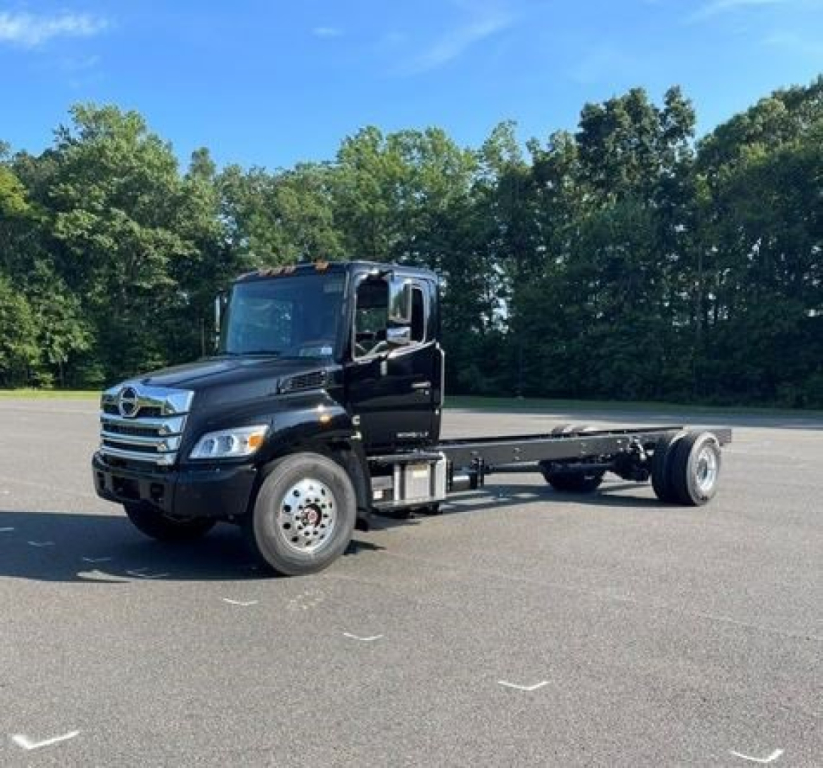
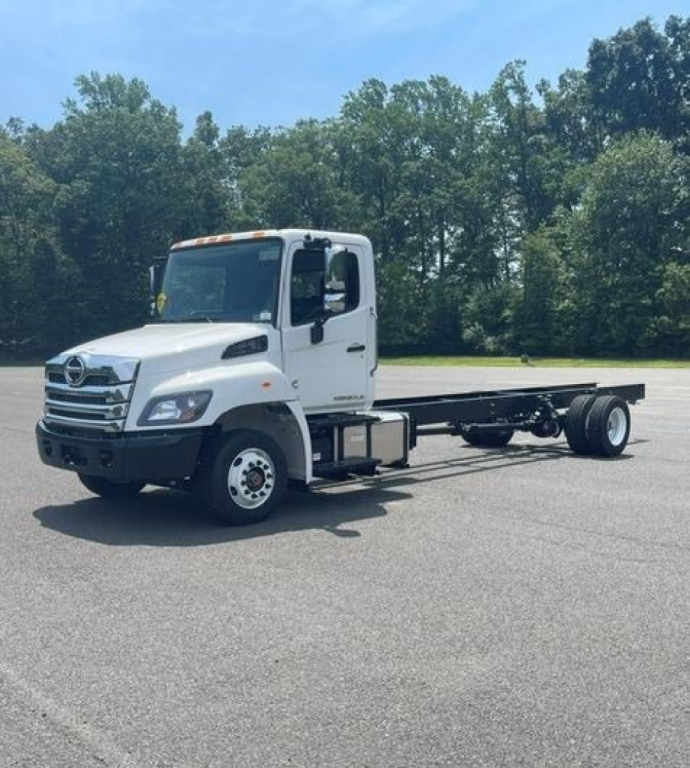
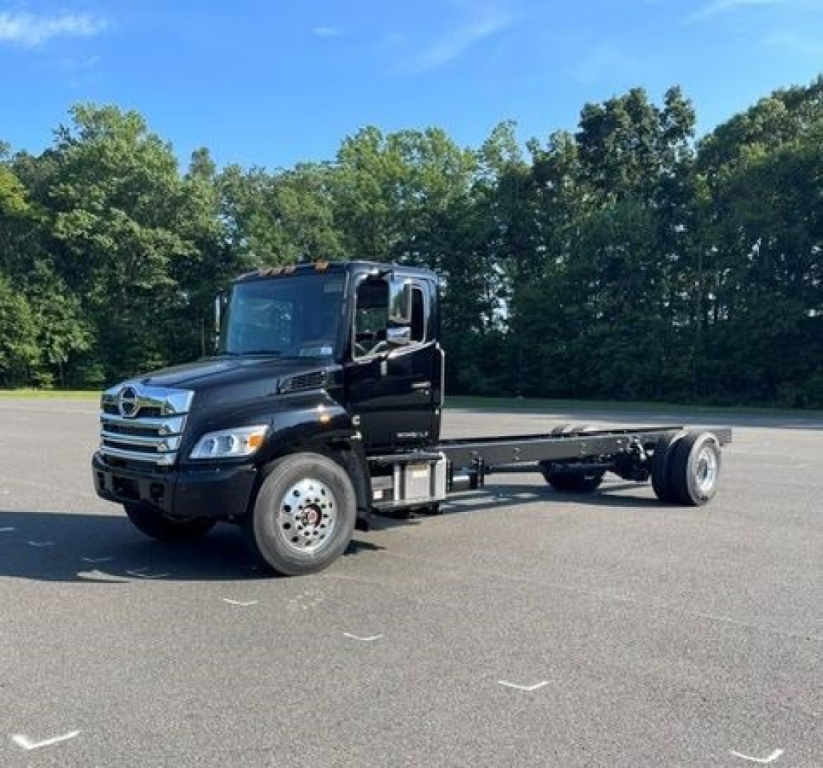
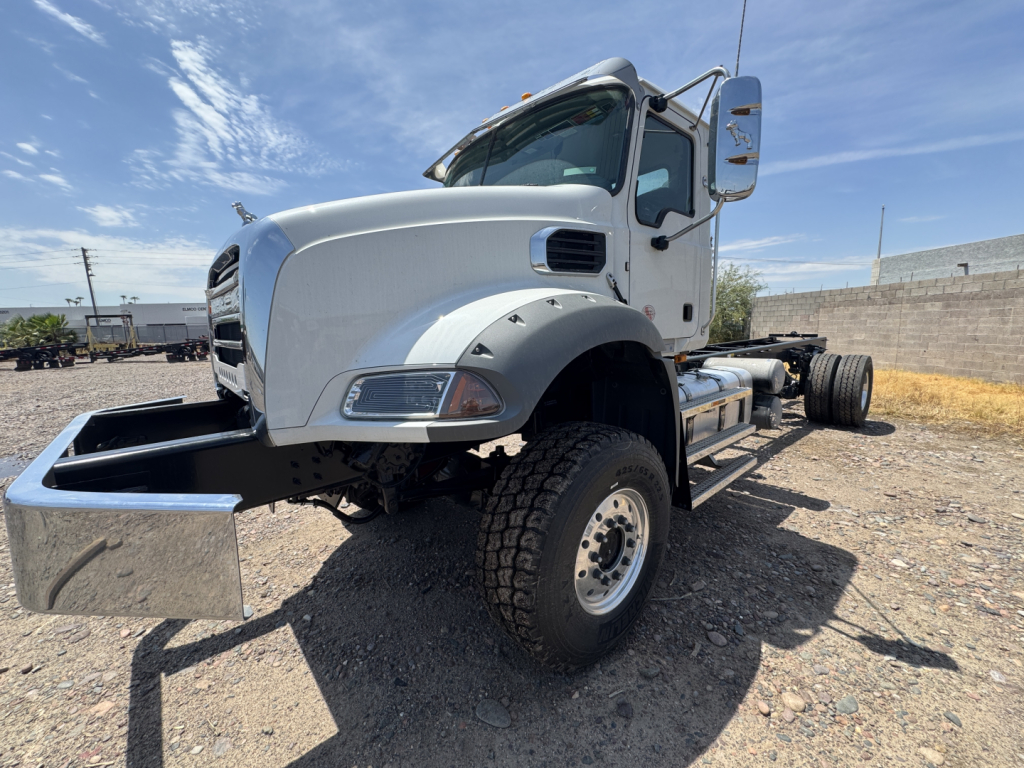
Showing 1 to 12 of 168 results
Have cab and chassis truck to sell? List it here to reach thousands of buyers.
Cab and Chassis Trucks in Montana
GVWR, wheelbase, axle ratings, and frame dimensions should be matched to the finished truck, not the bare chassis. Medium-duty cab and chassis trucks often fall in the Class 5 through Class 7 range, including non-CDL friendly 25,995-lb setups and heavier 29,000-lb to 33,000-lb configurations for more payload and body options. Heavier vocational models can move into tandem axle territory with 50,000-lb-plus GVWR ratings for severe-service applications. Wheelbase affects body length, turning radius, bridge compliance, and weight distribution. Front axle capacity, rear suspension type, rear ratio, and brake package all influence how well the truck handles a loaded body, especially on uneven roads, job sites, and winter surfaces common across Montana.
Powertrain selection depends on the job. Diesel cab and chassis trucks commonly use engines in the 250 to 300 hp range for medium-duty delivery and municipal work, often paired with Allison automatic transmissions because they perform well in stop-and-go duty and simplify PTO operation. Vocational heavy-duty chassis may use larger engines and automated manual transmissions for dump, mixer, or heavy equipment support. Buyers planning to run hydraulic equipment should verify PTO provision, REPTO or engine-mounted pump compatibility, and body builder interface requirements early in the process. Electric cab and chassis trucks are also entering this category, typically for urban or fixed-route applications where quiet operation, reduced maintenance, and predictable charging windows make sense.
A strong cab and chassis spec is the one that makes body installation straightforward and keeps the completed truck legal and productive. Check clear frame rail length, cab-to-axle measurement, back-of-cab clearance, suspension capacity, and any upfitter switches or wiring provisions before focusing on cosmetics. In Montana, cold-weather details such as block heaters, battery performance, and cab heat are practical considerations, not extras. If the truck will spend time on secondary roads or mixed terrain, look closely at tire size, ground clearance, traction setup, and suspension design. The best cab and chassis truck is the one that leaves enough margin for the finished body, the real payload, and the way the truck will actually be used.
Frequently Asked Questions about Cab and Chassis Trucks in Montana
What is a cab and chassis truck used for?
A cab and chassis truck is built to accept a vocational body behind the cab. Common applications include box vans, flatbeds, dumps, service bodies, mechanics trucks, tank bodies, roll-offs, hooklifts, and utility bodies. Buyers choose cab and chassis platforms when they need a truck tailored to a specific job rather than a factory-completed body style.
How do I choose the right GVWR for a cab and chassis truck?
Start with the finished weight of the body, add the expected payload, passengers, fuel, tools, and any permanently mounted equipment, then compare that total to the truck’s GVWR and axle ratings. A non-CDL 25,995-lb configuration may work well for delivery or light service work, but many vocational applications need more capacity. The important number is the completed truck weight in real operating trim, not the empty chassis weight.
Why does wheelbase and cab-to-axle measurement matter on a cab and chassis?
Wheelbase and cab-to-axle dimensions determine what body length can be installed and how the load is distributed across the axles. If these dimensions are wrong, the body may not fit properly or the truck may have poor balance, turning limitations, or axle overload issues. Body builders typically spec around cab-to-axle, frame height, and available clear rail length, so these measurements should be confirmed before purchase.
Do I need a PTO on a cab and chassis truck?
You need a PTO if the body or attached equipment requires mechanical or hydraulic power from the truck. Dump bodies, roll-offs, hoists, pumps, compressors, and some utility equipment often depend on PTO or REPTO capability. It is important to verify not only that the transmission or engine supports PTO, but also that the output location, controls, and hydraulic compatibility match the body you plan to install.
Are electric cab and chassis trucks practical for commercial use?
Electric cab and chassis trucks can be practical when routes are predictable, daily mileage is controlled, and charging access is reliable. They are often best suited for municipal fleets, local delivery, and urban service work with frequent stops. Buyers should evaluate payload impact, PTO or ePTO needs, charging infrastructure, climate effects, and how cold weather may influence range and operating strategy.