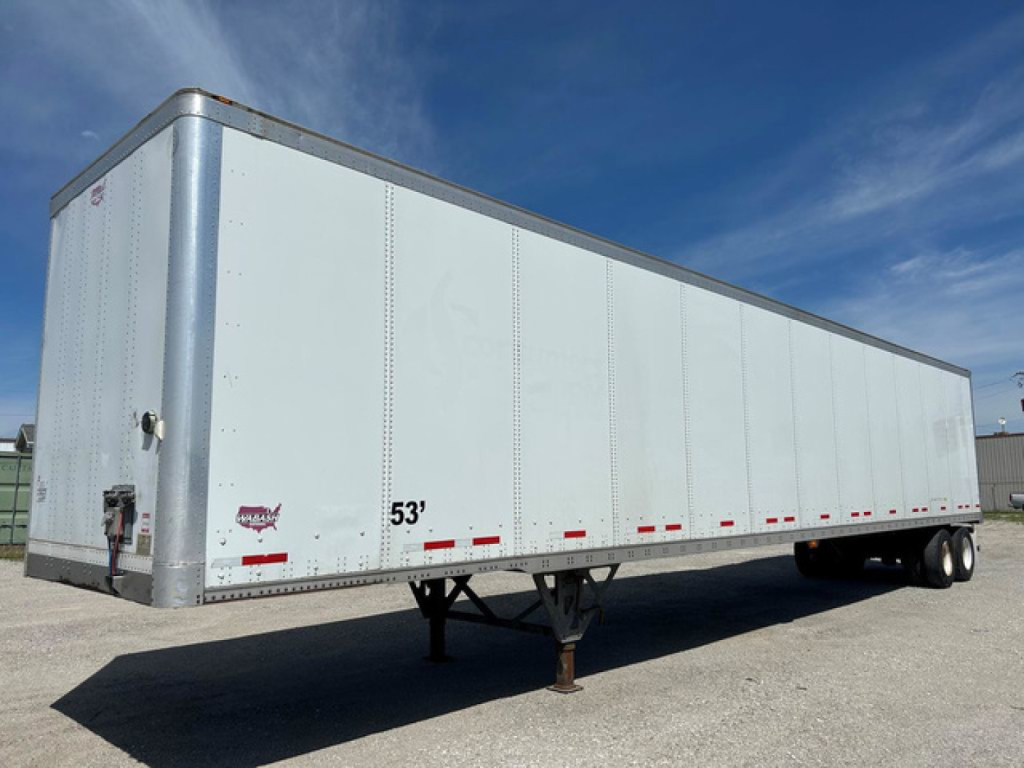
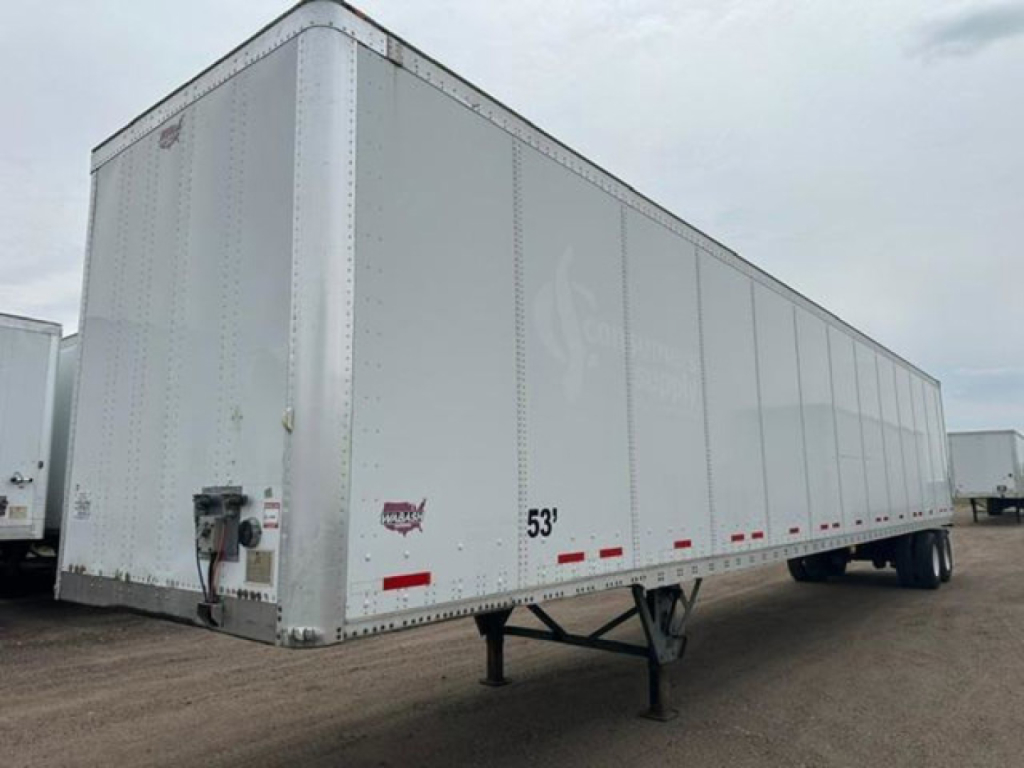
Wabash Van Trailers For Sale in Iowa
Browse Wabash van trailers with common dry van specs, door and suspension options, and features that matter for freight efficiency and uptime.
Learn moreShowing 1 to 12 of 56 results
Have wabash van trailer to sell? List it here to reach thousands of buyers.
About Wabash Van Trailers in Iowa
A lot of the buying decision comes down to trailer build details. Door style matters more than many buyers expect. Swing doors usually provide full rear opening and simpler maintenance, while roll-up doors can be useful in tight docks or city work where door swing clearance is limited. Interior lining is another key spec. Many Wabash vans are equipped with plastic scuff liners or full interior lining to protect the sidewalls from pallet and forklift damage. Logistics post spacing, often 24 inches on center, is important for load securement flexibility. Floor condition also deserves close attention, especially on older used trailers. Laminated hardwood floors remain common and should be checked for forklift wear, patched sections, and overall rating for your freight profile.
For long-haul and regional fleets in Iowa, suspension and fuel-saving equipment should be part of the evaluation. Air ride is widely preferred for ride quality and cargo protection, especially for consumer goods and mixed pallet freight. Side skirts can improve fuel economy on highway lanes, and tire inflation systems such as PSI are valuable for reducing irregular tire wear and roadside calls. Buyers should also check roof type, including translucent roof panels that improve daytime visibility inside the trailer, plus base rail condition, rear frame integrity, brake type, and tire tread depth across all wheel positions. If the trailer will cycle through multiple terminals or high-volume docks, rear impact guard condition, door hardware wear, and ICC bumper alignment are worth close inspection.
Used Wabash van trailers appeal to fleets and owner-operators because parts availability is strong and the spec range is broad enough to match different lanes and customers. A dry van in this class is also commonly called an enclosed van trailer and is typically chosen when freight needs weather protection, cargo security, and dock-height compatibility. The best fit depends on how the trailer will actually be worked. Regional shuttle freight may prioritize dock-friendly doors and easy-maintenance specs, while long-haul operations may focus more on aerodynamic equipment, tire systems, and lightweight build. Looking closely at age, prior fleet use, floor wear, lining condition, and suspension setup will tell you more about value than model year alone.
Frequently Asked Questions
What are the most common specs on a Wabash van trailer?
Most Wabash van trailers in the used market are 53-foot by 102-inch dry vans with tandem axles, air ride suspension, and either swing or roll-up rear doors. Many are built with laminated wood floors, logistics posts for load securement, scuff liners, and translucent roof panels. Some later-model trailers also include aerodynamic side skirts, high base rails, and automatic tire inflation systems.
Is air ride suspension worth it on a dry van trailer?
Air ride is a strong choice for most dry van applications because it helps reduce cargo shock and generally provides better ride quality than spring suspension. That matters for palletized consumer goods, packaged food, paper products, and mixed freight that can shift or settle under rougher suspension. Air ride is also widely accepted in fleet operations, which helps resale and compatibility with common service practices.
Should I choose swing doors or a roll-up door on a Wabash van?
Swing doors are usually preferred for maximum rear opening, lower complexity, and easier seal management in standard dock operations. Roll-up doors can make sense when space behind the trailer is limited or the trailer works in urban deliveries where full door swing is inconvenient. The tradeoff is that roll-up doors can reduce full-height access and add maintenance points in the track and spring system.
What should I inspect first on a used Wabash dry van trailer?
Start with the floor, roof, rear frame, door hardware, suspension, brakes, and tire condition. On a dry van, floor wear from forklifts can be one of the biggest indicators of true working life. Buyers should also check scuff liner condition, sidewall repairs, roof bows, crossmember integrity, and signs of water intrusion. Tire tread depth, alignment-related wear, and the condition of any tire inflation system also affect near-term operating cost.
Are Wabash van trailers a good fit for general freight?
Yes. Wabash van trailers are widely used for general freight because they offer enclosed weather protection, strong dock compatibility, and flexible interior specs for palletized cargo. They are commonly used in retail distribution, warehouse transfers, regional linehaul, and long-haul truckload service. The category works best when the freight does not require refrigeration, open-deck loading, or specialized bulk handling.