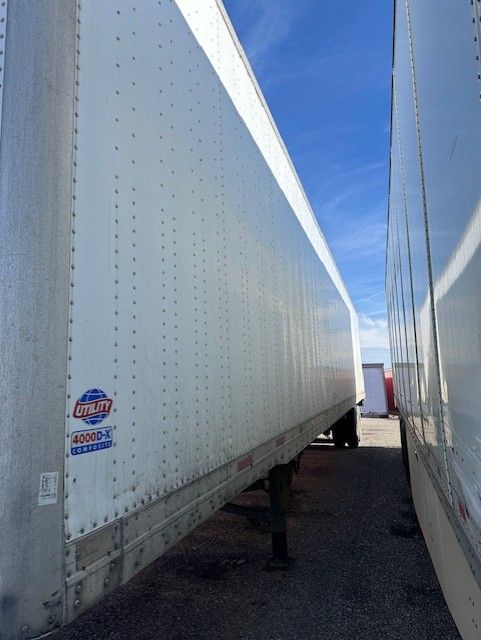
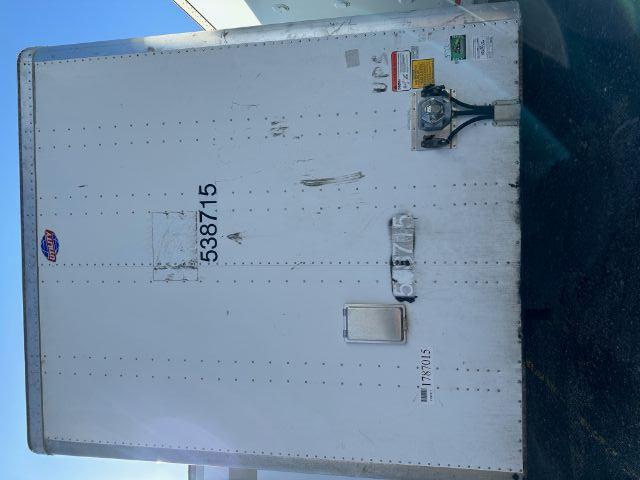
Used Van Trailers For Sale in Illinois
Browse used van trailers in Illinois, including 53-foot dry vans with air ride, roll or swing doors, liftgates, and fleet-ready specs.
Learn moreBrowse Van Trailers by Make
Showing 1 to 12 of 28 results
Have used van trailer to sell? List it here to reach thousands of buyers.
About Used Van Trailers in Illinois
For most fleets, the first practical split is swing doors versus roll doors. Swing doors are common on linehaul vans and usually offer a full rear opening for dock loading, but they need clear space behind the trailer. Roll doors are useful in tight urban docks and multi-stop delivery work, though they add weight and more moving parts. Suspension is another key decision. Air ride is preferred for ride quality and cargo protection, especially for higher-value freight, while spring ride can still make sense in older, lower-cost trailers used for storage or tougher duty cycles. Common used-market specs include aluminum roofs, translucent roofs, scuff liners, logistics posts, 50-inch logistics track spacing, low-profile 22.5 tires, steel or aluminum wheels, and tire inflation systems. In snow, freeze-thaw, and heavy road-salt conditions common in Illinois, trailer buyers should look closely at crossmembers, rear frame, slider rails, door hardware, and the lower sidewall areas for corrosion or impact damage.
A good used van trailer has to match both the freight and the loading environment. Floor rating matters if the trailer will see concentrated forklift traffic, dense beverage loads, paper products, or heavy pallet counts. Logistics tracks and interior securement options matter more in mixed-freight and dedicated contract work than they do in simple drop-and-hook lanes. Aerodynamic equipment such as side skirts can help fuel economy in highway service, but buyers should inspect mounting points and skirt condition because dock strikes and winter debris can be costly over time. Liftgates are another specialized feature worth paying for only when the freight requires it, since they improve delivery flexibility but add weight, maintenance, and rear-end complexity.
Illinois buyers often evaluate used van trailers for a mix of highway miles, rail-adjacent distribution, and yard storage duty, so age alone should not drive the decision. A well-maintained older trailer with a sound floor, solid doors, straight rails, and a clean maintenance history can outperform a newer unit with hidden structural wear. Pay attention to tire age, brake condition, ABS function, suspension wear, roof repairs, and signs of repeated forklift impact inside the nose and sidewalls. If the trailer will move in drop trailer pools, confirm kingpin area condition, slider operation, DOT lighting, and dock seal compatibility. The best used van trailer is the one spec'd correctly for the freight, cycle time, and loading conditions it will face every day.
Frequently Asked Questions
What is the most common used van trailer size in Illinois?
The most common used van trailer size is 53 feet long by 102 inches wide. That size fits most over-the-road and regional dry freight applications, works with standard dock infrastructure, and gives fleets the cubic capacity expected in modern general freight service. Older 45-foot vans still appear in the market and can be a practical fit for local delivery, storage use, or operations working around tighter facilities.
What should I inspect first on a used dry van trailer?
Start with the floor, roof, rear frame, suspension, brakes, tires, and door operation. On dry vans, floor condition is critical because repeated forklift traffic can hide costly wear. Check for soft spots, patched sections, broken crossmembers, water intrusion, and impact damage at the nose and lower sidewalls. In Illinois, corrosion around the rear sill, slider assembly, and door hardware deserves extra attention because winter road salt can shorten service life if rust has gone too far.
Is air ride better than spring ride on a used van trailer?
Air ride is generally preferred for better ride quality, reduced cargo shock, and broader acceptance in premium freight applications. It can also help protect sensitive loads and improve trailer stability. Spring ride usually costs less and may be acceptable for basic freight or storage service, but it rides harsher and is less desirable for fleets focused on cargo protection or driver preference. The right choice depends on freight type, lane conditions, and total cost of ownership.
Are roll doors or swing doors better on a van trailer?
Swing doors are the standard choice for most linehaul and dock freight because they provide a full rear opening and are usually lighter and simpler to maintain. Roll doors are useful in tight urban delivery environments where there is limited room to open rear doors, and they can speed some stop-and-go applications. The tradeoff is added weight, more moving components, and potential maintenance on tracks, springs, and slats.
Which options add the most value on a used van trailer?
The options that usually add the most real operating value are air ride suspension, a sound hardwood floor, tire inflation systems, logistics track or posts, and clean swing or roll door operation depending on the route. Side skirts can matter for highway fleets focused on fuel savings, and liftgates are valuable for final-mile or store delivery work. The best options are the ones that directly support the freight and loading pattern, not simply the longest feature list.