
Used Unicarriers Equipment For Sale
Browse used Unicarriers trucking equipment, including reliable forklifts and material handling units built for warehouse, dock, and yard use.
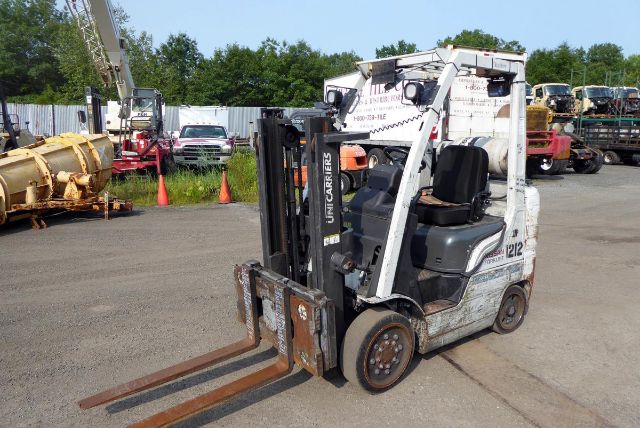
Have used unicarriers equipment to sell? List it here to reach thousands of buyers.
Used Unicarriers Equipment
A common buying decision starts with capacity and mast setup. Many used Unicarriers forklifts fall in the 3,000 to 6,000 pound class, which covers a large share of palletized freight, building materials, bundled products, and general warehouse loads. A 2-stage mast can be a practical choice where overhead clearance matters, while a 3-stage mast gives more stacking height for tighter warehouse layouts and racking applications. Buyers should also verify lowered mast height, maximum fork height, side shift if equipped, fork length, carriage class, and whether the unit has cushion tires for smooth indoor floors or pneumatic tires for rougher yard and outdoor conditions.
Condition matters most in the drivetrain, hydraulic system, and mast assembly. On a used Unicarriers unit, it is smart to inspect chain wear, mast rollers, carriage play, steer axle response, lift and tilt cylinder seals, and cold-start behavior. LP models are popular for mixed indoor and outdoor use because they refuel quickly and offer consistent run time, while electric units may suit enclosed facilities that need low noise and zero tailpipe emissions. Hour meter readings help frame expected wear, but maintenance records, brake performance, leak checks, and how the transmission engages in forward and reverse usually tell more about the machine's real working condition.
For trucking operations, the right Unicarriers equipment can reduce trailer turn time and improve dock efficiency. A buyer comparing listings should look closely at operating weight, turning radius, overhead guard height, load center, attachment compatibility, and any added features such as onboard scales, fork positioners, or side shifters. These details affect how well the unit fits your trailer unloading patterns, aisle width, dock plate transitions, and daily cycle count. A used Unicarriers forklift with the right mast, tire package, and fuel type can be a dependable fit for freight terminals, distribution centers, lumber yards, and general material handling work.
Frequently Asked Questions about Used Unicarriers Equipment
What should I check first on a used Unicarriers forklift?
Start with the mast, hydraulics, and drivetrain. Check for chain stretch, jerky lift action, cylinder leaks, carriage looseness, steering play, brake response, and smooth engagement in forward and reverse. A clean hour meter reading is useful, but maintenance history, cold-start behavior, and evidence of regular service usually give a better picture of how the machine was treated.
Are Unicarriers forklifts good for trucking terminals and dock work?
Yes, many Unicarriers forklifts are well suited for dock and terminal work because they are commonly built in practical capacity ranges for palletized freight and repeated trailer loading cycles. The key is matching the machine to the job. Buyers should confirm lift capacity, lowered mast height, overall width, turning radius, and tire type so the unit can move efficiently between docks, trailers, and yard surfaces.
Which is better for a used Unicarriers forklift, propane or electric?
That depends on the operating environment. Propane units are common in operations that need fast refueling and flexible indoor-outdoor use, while electric units are often preferred in enclosed facilities where low noise and zero exhaust emissions matter. The better choice comes down to your shift length, charging or fuel infrastructure, ventilation, and the type of floor and duty cycle the machine will see each day.
What lift capacity is most common on used Unicarriers equipment?
Many used Unicarriers forklifts on the market fall in the 3,000 to 6,000 pound range, with 5,000 pound models being especially common for general freight and warehouse use. Capacity should always be matched to the actual load center and attachment setup, because side shifters, clamps, and longer forks can change the effective lifting ability of the machine.
Does mast type matter when buying used Unicarriers equipment?
Yes, mast type has a direct effect on clearance and stacking performance. A 2-stage mast is often preferred where overhead height is limited, while a 3-stage mast allows greater lift height in tighter facilities with racking. Buyers should compare lowered height, maximum fork height, and free lift to make sure the forklift will clear doorways, enter trailers, and still handle the required storage or loading tasks.