
Used Flatbed Trailers For Sale in Illinois
Browse used flatbed trailers for sale in Illinois, including aluminum, steel, extendable, and multi-axle models for general freight and heavy hauling.
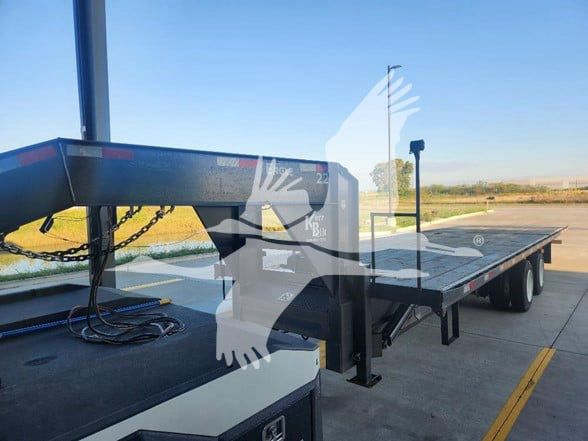


Selling a used flatbed trailer? List your used flatbed trailer for sale and reach thousands of commercial buyers.
Used Flatbed Trailers in Illinois
The condition of the deck and frame matters more on a used flatbed than the paint or cosmetics. Buyers should inspect crossmembers, main beams, the upper coupler plate, suspension hangers, and the rear frame for repairs, cracks, rust scale, or signs of repeated overload. Decking can be wood, apitong, fir, or mixed replacement boards, and loose fasteners or soft spots usually mean more work is coming. Tie-down equipment is another major checkpoint. Winch tracks, sliding winches, chain spools, stake pockets, rub rails, and pipe spools should be straight, usable, and not heavily torched or bent. On Illinois freight lanes, it is also common to see trailers set up with coil package options, dunnage racks, toolboxes, and extra securement gear for steel products.
Suspension and axle configuration should match the freight profile. Tandem axle flatbeds remain the most common for general commodity hauling, but tri-axle, multi-axle, and closed tandem setups show up in heavier regional work and specialized permits. Air ride is preferred for more fragile or premium freight and generally helps resale, while spring ride still has a place on older steel trailers and harder-use applications. Tire size, wheel material, brake condition, and slider function all deserve close attention on a used trailer, especially if it has spent time in rental service or heavy urban operation. Illinois buyers also tend to pay attention to winter corrosion, FHWA inspection readiness, and how well the trailer fits bridge law and permit needs across the Midwest.
If the freight mix includes steel coils, slabs, plate, lumber, or machinery, a flatbed can be one of the most versatile trailer categories on the road. The best fit depends on how often the trailer runs overweight, overlength, or specialized loads versus standard legal freight. A lighter aluminum platform may return more revenue on legal payloads, while an all-steel or multi-axle design may be the better tool for concentrated loads and rougher duty cycles. When comparing used flatbed trailers for sale, focus on structural integrity, securement layout, suspension type, and deck usability before brand loyalty or appearance.
Frequently Asked Questions about Used Flatbed Trailers in Illinois
What is the most common flatbed trailer size on the used market?
The most common used flatbed sizes are 48-foot and 53-foot trailers. A 48-foot flatbed is still widely used and can be a practical choice for regional work, while 53-foot trailers dominate many general freight lanes because they offer more deck space and stronger resale demand. Extendable flatbeds are less common and are usually selected for machinery, steel, or other overlength freight.
Is an aluminum or steel flatbed trailer better for used buyers?
It depends on the freight and operating style. Aluminum flatbeds are lighter, which helps maximize legal payload and often improves fuel economy. Steel flatbeds generally cost less up front and can be well suited for severe-duty service, concentrated loads, or rough jobsite use. On a used trailer, the real decision should come down to frame condition, prior repairs, and application rather than material alone.
What should I inspect first on a used flatbed trailer?
Start with the structural areas that affect safety and long-term cost. Check the main beams, crossmembers, coupler area, suspension hangers, axle alignment, brakes, tires, and rear frame. Then inspect the deck boards, rub rails, stake pockets, winch track, and any signs of overloading or poor repair work. A used flatbed with a sound frame and usable securement system is usually a better buy than a cleaner trailer with hidden structural issues.
Are extendable flatbed trailers worth buying used?
An extendable flatbed can make sense if overlength freight is a regular part of the business. They offer flexibility for longer loads, but they also bring more tare weight, more moving parts, and more maintenance points than a standard fixed deck trailer. Buyers should pay close attention to the extension mechanism, locking positions, frame straightness, and overall wear because repair costs can rise quickly if the trailer has been heavily worked.
What features matter most for hauling steel on a flatbed trailer?
For steel service, buyers often look for a strong frame, solid crossmembers, dependable securement points, and a deck setup that matches concentrated load requirements. Coil package options, chain ties, winches, stake pockets, and a durable wood floor are common priorities. In heavier applications, closed tandem, tri-axle, or multi-axle configurations may also be important for load distribution, permits, and bridge compliance.