
Used Mitsubishi Trucks For Sale
Browse used Mitsubishi trucks including cabovers and medium-duty models known for maneuverability, diesel efficiency, and urban delivery use.
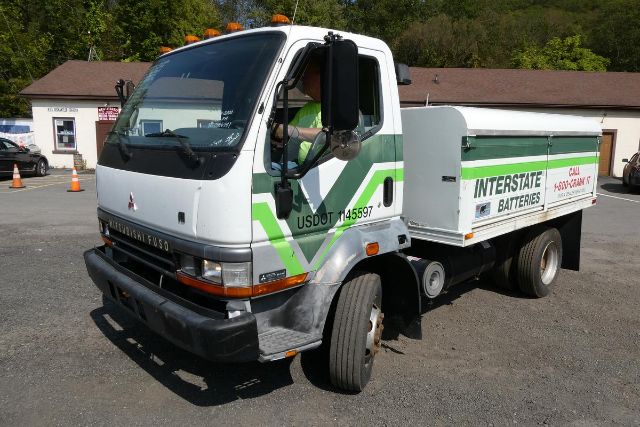
Selling a used mitsubishi truck? List your used mitsubishi truck for sale and reach thousands of commercial buyers.
Used Mitsubishi Trucks
The main buying decision usually comes down to GVWR, cab-to-axle length, and body upfit compatibility. Many used Mitsubishi trucks fall into Class 3 through Class 5 ranges, often with diesel engines such as the 4D3 or 6D3 series and automatic transmissions common in local-delivery service. Buyers should verify axle ratings, wheelbase, brake type, tire size, and whether the truck has hydraulic or air brakes, since those details affect licensing, maintenance planning, and payload suitability. Body condition matters just as much as chassis condition on this make because many units spent years in vocational service. Check frame condition, rust around body mounts, door hardware, roll-up doors, compartment latches, PTO provisions if applicable, and the remaining life in suspension and steering components.
Parts support and service planning are important with used Mitsubishi trucks, especially on older models sold before the Fuso branding became more common in North America. Many buyers search Mitsubishi trucks and Mitsubishi Fuso trucks interchangeably, so it helps to confirm the exact model designation, engine family, and VIN-based parts lookup before purchase. A clean-running drivetrain with documented maintenance can still offer strong value, but cooling system condition, injector performance, transmission behavior, and electrical repairs deserve close attention on aging cabovers. The advantage is that a well-matched used Mitsubishi truck can deliver low-entry cab access, good visibility, and efficient route performance for operators who do not need a heavier Class 6 or Class 7 platform.
For buyers comparing used Mitsubishi trucks against Isuzu NPR, Hino, or older GMC and Ford low-cab-forward models, the key question is application fit. These trucks make the most sense in local and regional work where frequent stops, moderate payloads, and compact dimensions drive productivity. Measure the body you need, confirm cab-to-axle and overall length, and check that the truck's GVWR leaves enough legal payload after accounting for the installed body and equipment. A properly spec'd used Mitsubishi truck can still be a cost-effective platform for delivery, utility, and specialty fleet work.
Frequently Asked Questions about Used Mitsubishi Trucks
What are used Mitsubishi trucks best suited for?
Used Mitsubishi trucks are commonly used for local delivery, service and utility work, dry van routes, refrigerated delivery, landscaping, and other medium-duty applications where maneuverability is important. Their cabover layout provides a short overall length for a given body size, which helps in dense urban routes, tight docks, and stop-and-go service work.
Are Mitsubishi trucks the same as Mitsubishi Fuso trucks?
Many buyers use the names interchangeably, especially when searching older medium-duty cabover models. In North America, Mitsubishi Fuso became the more familiar branding on many commercial truck models, so it is important to confirm the exact model, engine, and VIN when ordering parts or researching service information. Older listings may simply say Mitsubishi even when buyers are really cross-shopping Fuso-based platforms.
What should I check first on a used Mitsubishi truck?
Start with GVWR, cab-to-axle measurement, wheelbase, engine model, transmission type, and current body configuration. Then inspect the frame, rust, suspension, steering wear, brake system, and body mounting points. On older cabovers, cooling system condition, electrical repairs, and transmission operation are especially important because those issues can directly affect uptime and repair cost.
Do used Mitsubishi trucks make sense for urban delivery fleets?
Yes, that is one of their strongest use cases. A used Mitsubishi cabover typically offers strong forward visibility, a tight turning circle, and easier positioning in crowded streets or alleys compared with a conventional truck. For fleets making frequent stops with moderate payloads, that layout can improve route efficiency and reduce driver fatigue in city work.
How do I choose the right used Mitsubishi truck size?
Match the truck to the body and payload requirement first. Buyers should compare GVWR, front and rear axle ratings, tire capacity, and the truck's empty weight with the body already installed. The goal is to keep enough legal payload capacity after accounting for the upfit, tools, cargo, and any onboard equipment so the truck can do the job without being undersized or overloaded.