
Used Kenworth Conventional Sleeper Trucks For Sale in Louisiana
Shop used Kenworth conventional sleeper trucks in Louisiana. Compare T680 and other highway sleepers built for fuel economy, comfort, and uptime.
No exact matches found for your search
Showing Used Kenworth Conventional Sleeper Trucks instead.
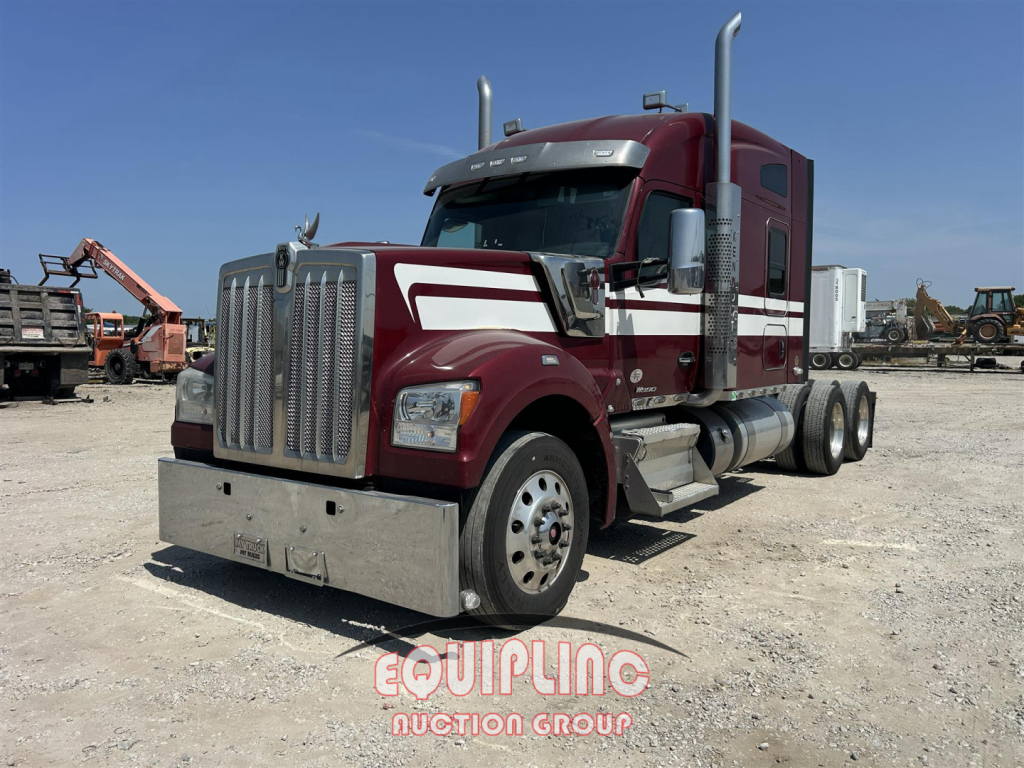
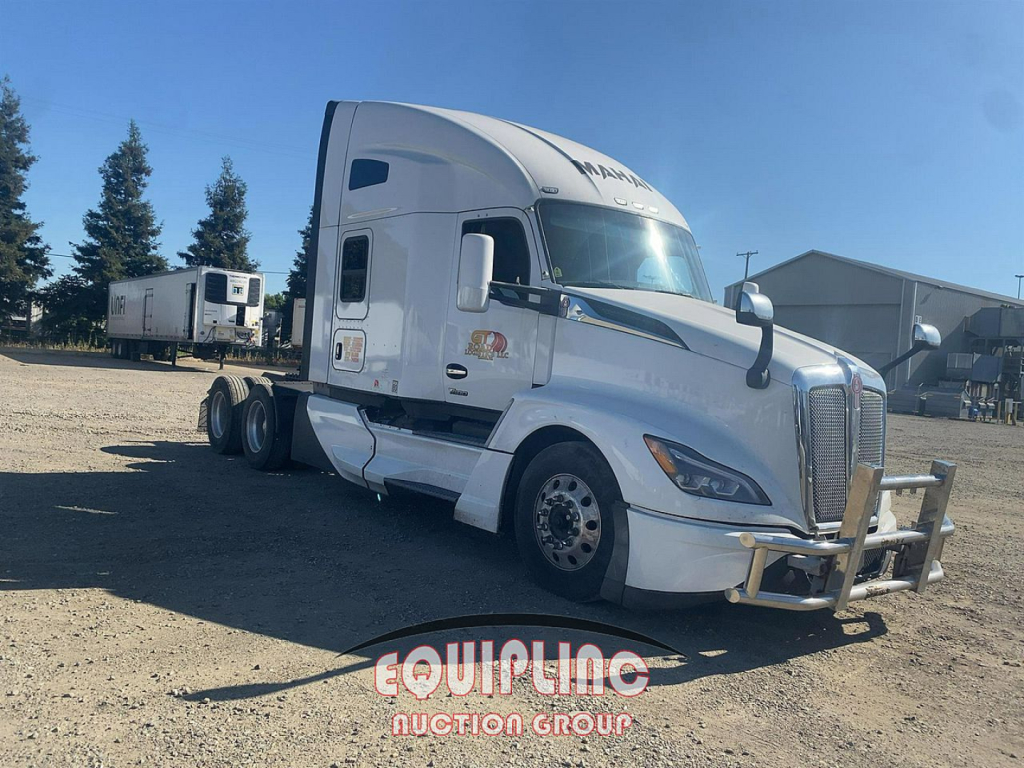

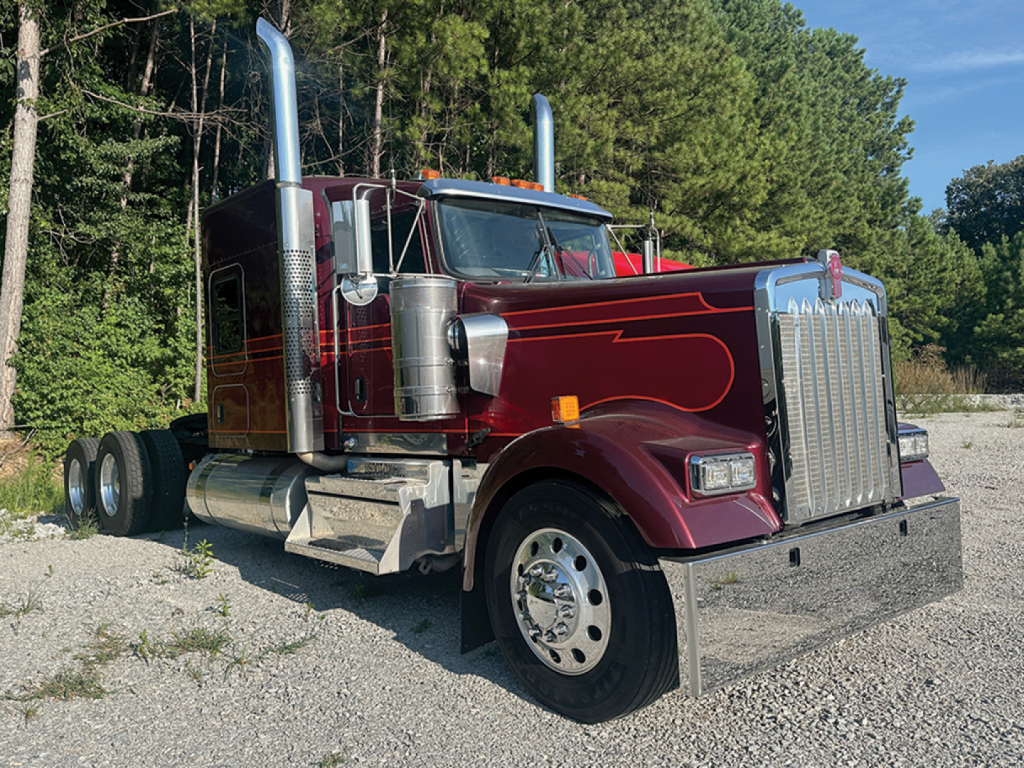
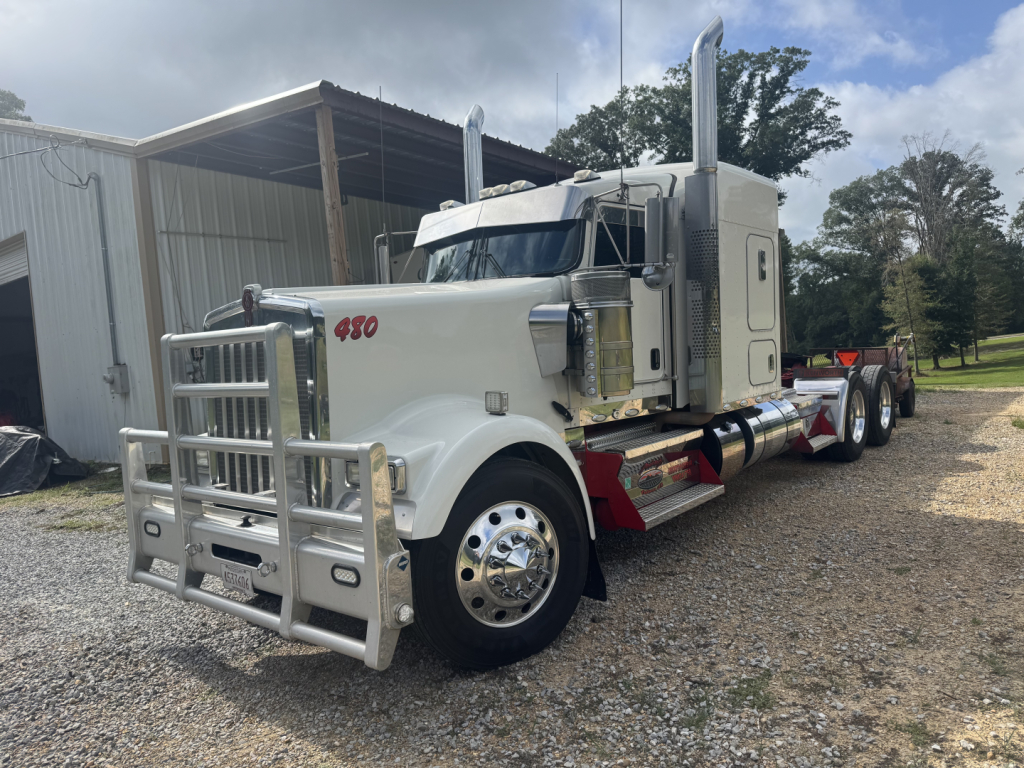




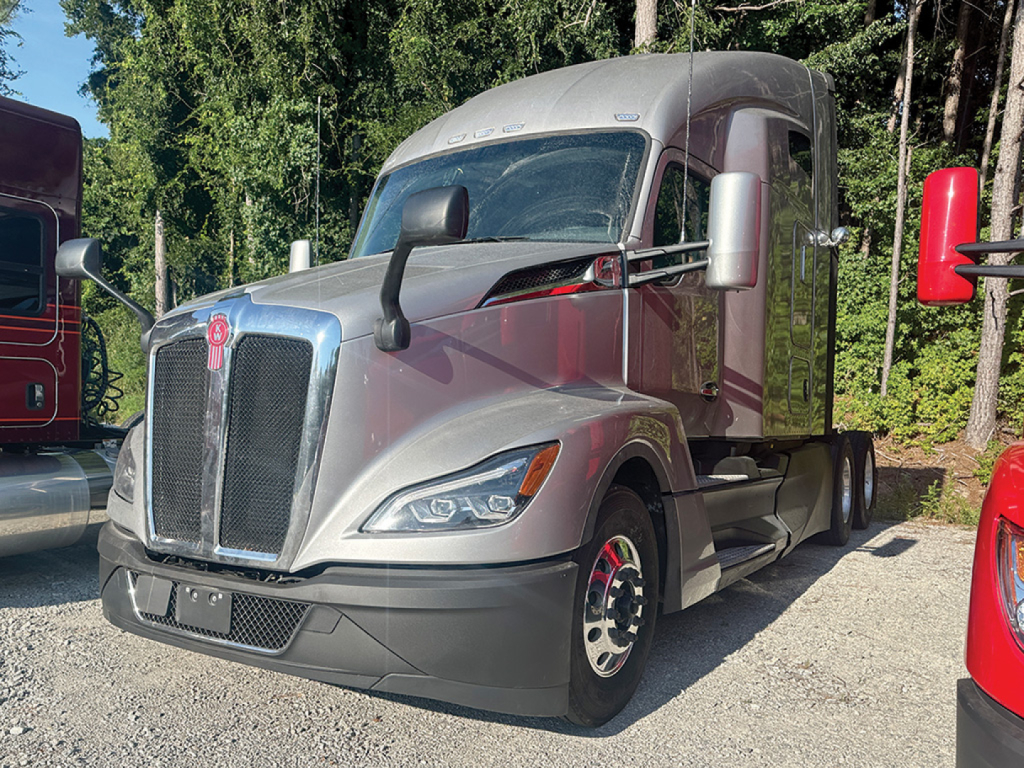
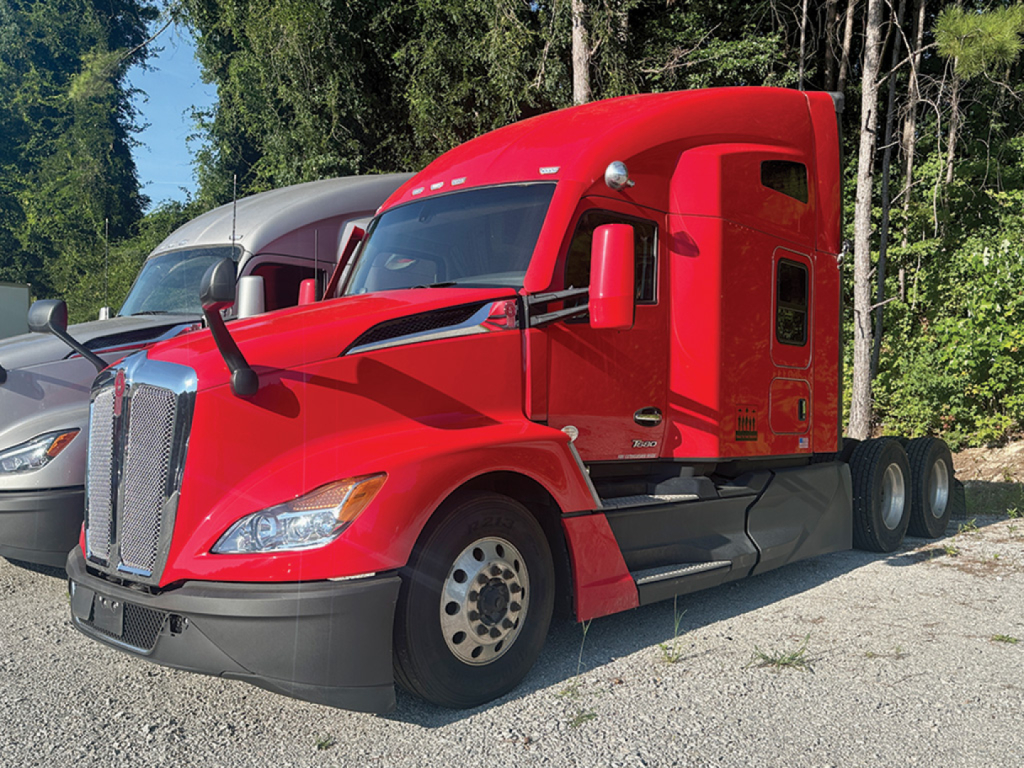
Showing 1 to 12 of 57 results
Have used kenworth conventional sleeper truck to sell? List it here to reach thousands of buyers.
Used Kenworth Conventional Sleeper Trucks in Louisiana
The first buying decision is usually the powertrain. Many used Kenworth sleepers in this class are spec'd with Cummins X15 engines in ratings commonly ranging from the mid-400s up to 500-plus horsepower, paired with automated manuals such as the Eaton Endurant or Ultrashift, though manual transmissions are still seen in older trucks. Buyers should compare horsepower, torque rating, rear axle ratio, and transmission overdrive to the intended duty cycle. A fuel-mileage-focused fleet truck may be built around downsped highway gearing, while a heavier or more demanding application may call for a different ratio and higher torque calibration. Maintenance history matters as much as the badge on the hood, especially for DPF, SCR, EGR, transmission clutch calibration, and records showing regular valve adjustments, aftertreatment service, and software updates.
Sleeper size and cab layout directly affect resale value and driver retention. Raised-roof and mid-roof configurations are common in conventional sleeper trucks, with features that may include double bunks, optimized storage, workstation space, inverter provisions, and idle-reduction equipment. On a used truck, inspect the sleeper seals, roof fairings, bunk heater or HVAC operation, and signs of water intrusion around marker lights and cab seams. A buyer should also check wheelbase, fifth wheel setup, suspension type, and tank capacity because those details determine how well the truck fits a 53-foot van operation versus heavier specialized freight. Tire inflation systems, collision mitigation, adaptive cruise, lane departure, and disc brakes are increasingly common on late-model highway tractors and can add value when uptime and driver acceptance are priorities.
Kenworth conventional sleepers have a strong following because they combine driver-friendly interiors with durable components and wide dealer support. A good used example should be evaluated on total operating cost, not just purchase price. Engine hours, idle hours, ECM data, previous fleet or owner-operator use, and any evidence of frame repairs or emissions tampering are all worth verifying before purchase. For buyers comparing used Kenworth sleeper trucks for sale in Louisiana, the best truck is the one with a clear maintenance story, a sleeper and wheelbase that match the work, and a drivetrain spec that delivers the right mix of fuel economy, pulling power, and reliability.
Frequently Asked Questions about Used Kenworth Conventional Sleeper Trucks in Louisiana
What is a Kenworth conventional sleeper truck used for?
A Kenworth conventional sleeper truck is a highway tractor designed for runs that require overnight accommodations in the cab. It is commonly used for over-the-road van, reefer, tanker, and flatbed freight, but it can also fit regional lanes where drivers spend multiple nights out. The sleeper compartment adds bunk space, storage, and often idle-reduction features, making it better suited than a day cab for longer trips and tighter driver schedules.
What should I check first on a used Kenworth T680 or similar sleeper truck?
Start with the maintenance records and ECM data. Confirm engine hours, idle hours, aftertreatment history, transmission service, and any major repairs. Then inspect the emissions system, look for fault codes, verify tire wear patterns, and check the sleeper for water leaks or HVAC issues. A used sleeper truck can look clean and still have expensive deferred maintenance, so service history and diagnostic information usually tell more than appearance alone.
Which engine and transmission setups are common in used Kenworth conventional sleepers?
Many late-model Kenworth conventional sleepers are equipped with Cummins X15 engines and automated manual transmissions such as the Eaton Endurant. Older units may have manual gearboxes or different engine ratings depending on the original fleet spec. The important comparison points are horsepower, torque, rear axle ratio, and how the truck was geared for its intended speed and load. A truck optimized for fuel economy on interstate freight may not be ideal for heavier loads or stop-and-go regional work.
Why does sleeper size matter on a used highway tractor?
Sleeper size affects driver comfort, storage capacity, truck weight, and resale appeal. Raised-roof sleepers usually provide more standing room and a better long-haul living space, while smaller sleepers may save weight and fit some regional applications better. On a used truck, sleeper condition matters as much as dimensions because worn seals, weak HVAC performance, and damaged interior components can quickly turn into downtime or driver complaints.
Are used Kenworth sleeper trucks a good fit for Louisiana operations?
They can be a strong fit if the spec matches the route and freight. Louisiana operations often involve heat, humidity, interstate mileage, and in some cases port or industrial traffic, so cooling system condition, bunk climate control, and corrosion exposure should be reviewed carefully. Trucks with the right axle ratio, fuel capacity, and aerodynamic package can perform well in long highway lanes, while heavier vocational crossover work may need a different suspension or gearing setup.