
Used Kawasaki Equipment For Sale
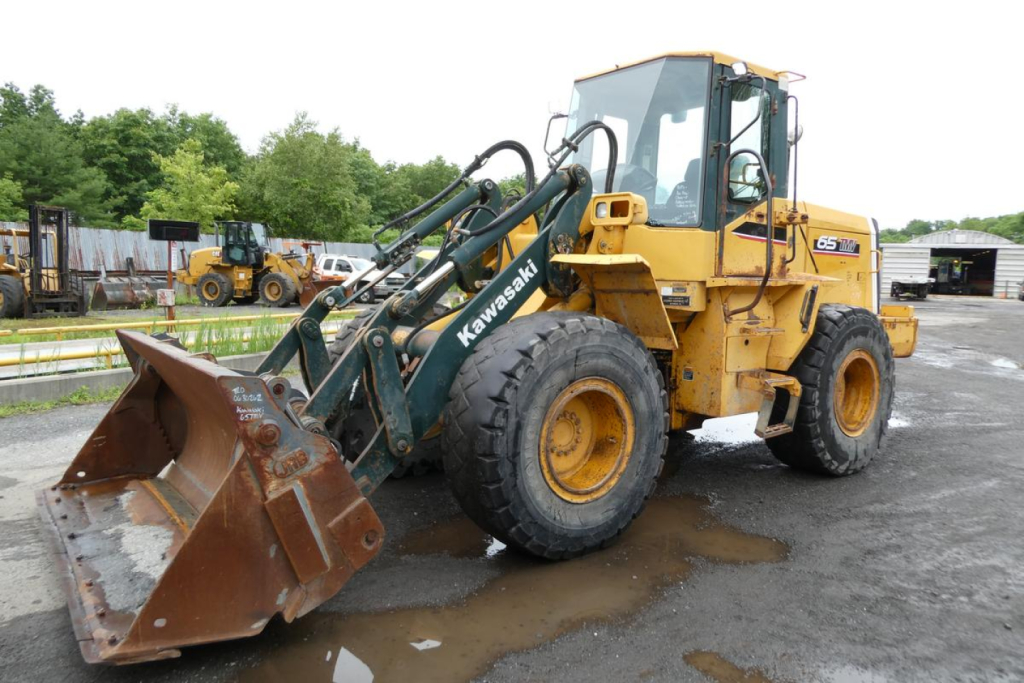
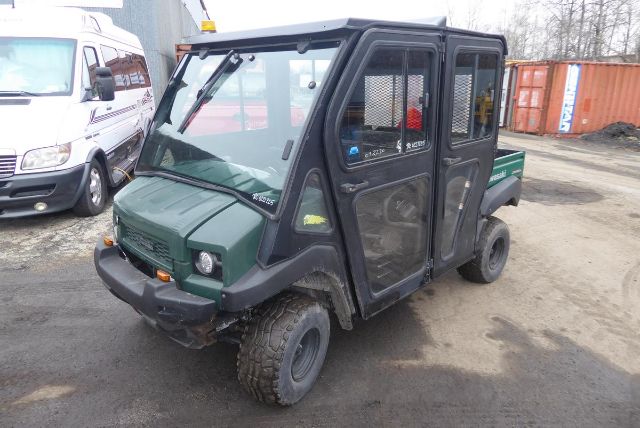
Have used kawasaki equipment to sell? List it here to reach thousands of buyers.
Used Kawasaki Equipment
A buyer should focus first on drivetrain layout, cab configuration, and payload needs. Many Kawasaki utility haulers are designed around low-speed control rather than highway travel, so hydrostatic drive is a real advantage when creeping through congested work areas or operating on uneven ground. Diesel engines are common and valued for low-end torque, fuel efficiency, and long service life when maintained properly. Enclosed cab models with heat, power steering, bench seating, and a rear cargo bed can work well for maintenance crews, grounds departments, and site personnel who need to move both people and tools in one trip.
Condition matters more than model year on this type of equipment. Check engine starting behavior, hydrostatic response, 4WD engagement, steering play, brake performance, and signs of hard use in the bed, suspension, and chassis. Tire condition is important because many of these units operate on mixed surfaces and carry frequent stop-and-go loads. Buyers should also verify hour meter and odometer readings together, since usage patterns vary widely between property transport, rental service, and industrial applications. Bed dimensions, GVW, overall width, hitch receiver size, and cab enclosure quality all affect how well a unit fits a specific operation.
Kawasaki is well known for durable utility vehicles, and used Kawasaki equipment can be a smart choice for operations that need compact hauling ability without the cost or footprint of larger trucks. These machines are especially useful where maneuverability, traction, and simple mechanical layout matter more than top speed. For many buyers, the best unit is the one with a solid service history, clean driveline operation, and the right mix of seating, cargo space, and weather protection for daily work.
Frequently Asked Questions about Used Kawasaki Equipment
What kind of work is used Kawasaki trucking equipment best suited for?
Used Kawasaki trucking equipment is typically best suited for short-distance hauling and personnel movement on private property or controlled work environments. Common applications include industrial plants, construction sites, farms, parks departments, campuses, warehouses, and maintenance operations. These units are most valuable where a compact footprint, off-road traction, and cargo-bed utility matter more than highway speed or heavy commercial payload.
Are Kawasaki utility transport units road legal?
Most Kawasaki utility transport units are not intended for standard highway use unless they have been specifically equipped and registered to meet local street-legal requirements. Buyers should treat them as off-road or on-site support equipment first and verify state and municipal regulations before planning any public-road operation. Lighting, mirrors, safety equipment, speed capability, and registration rules vary by jurisdiction.
What should I inspect on a used Kawasaki diesel utility hauler?
Pay close attention to cold-start performance, smoke at startup or under load, hydrostatic transmission smoothness, 4WD engagement, steering feel, brake function, and any unusual noise from the driveline. Inspect the cargo bed for cracks, bent panels, or evidence of repeated overloading. Cab condition, heater operation, seat wear, tire condition, and frame corrosion also tell a lot about how the machine was used and maintained.
Why is a hydrostatic transmission important on this type of equipment?
A hydrostatic transmission gives the operator smooth low-speed modulation, easy direction changes, and better control in tight or uneven work areas. That matters on jobs where the unit is constantly stopping, starting, backing, and maneuvering near buildings, equipment, or pedestrians. For property maintenance and site logistics, hydrostatic drive is often more practical than a conventional geared setup.