
Used Kawasaki Other For Sale
Have used kawasaki other equipment to sell? List it here to reach thousands of buyers.
Used Kawasaki Other
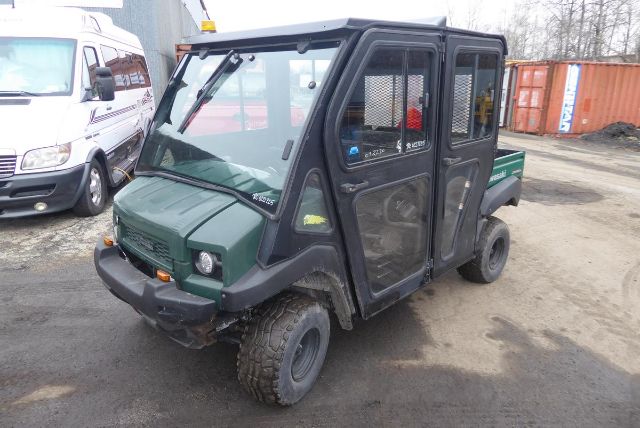
A buyer should pay close attention to drivetrain, cab configuration, and bed size. Many Kawasaki work units are equipped with 4WD, hydrostatic or CVT-style drivetrains, and compact diesel engines designed for low-speed torque and simple operation. Enclosed cabs, heaters, power steering, bench seating, and hitch receivers are common features on used units set up for year-round property work. Tire size, overall width, and turning radius matter if the machine will be used inside barns, warehouses, gated industrial sites, or narrow access roads. Bed dimensions and tailgate design also affect how useful the unit will be for hauling parts, hand tools, or small pallets.
Condition matters as much as specification in this category because many of these units spend their lives in stop-and-go service. Hours, odometer readings, cold-start behavior, steering wear, brake performance, suspension condition, and 4WD engagement should all be checked closely. On diesel Kawasaki units, buyers should inspect for smoke at startup, hydraulic or drivetrain leaks, and signs of hard use around the cargo bed, receiver hitch, and frame rails. Cab seals, heater operation, glass condition, and seat wear can tell a lot about how the machine was stored and maintained.
For the right application, used Kawasaki other equipment can be a cost-effective replacement for pickups or carts that are too large, too light-duty, or not capable enough off pavement. These units are especially practical when the job requires a compact footprint, low operating cost, and the ability to carry people and cargo in one machine. Buyers comparing listings should focus less on model year alone and more on service history, actual operating condition, cab and drivetrain setup, and how well the machine fits the terrain and daily duty cycle.
Frequently Asked Questions about Used Kawasaki Other
What type of equipment is usually found under used Kawasaki other trucking equipment?
This category commonly includes Kawasaki utility vehicles and compact jobsite support machines rather than highway trucks or trailers. Many are diesel-powered UTVs used for maintenance, grounds work, industrial property transport, and light cargo hauling. They are designed for short-distance movement of people, tools, and materials across large facilities or off-road work areas.
What should I inspect first on a used Kawasaki utility or support vehicle?
Start with engine condition, drivetrain operation, and signs of structural wear. Check how the diesel engine starts cold, confirm smooth forward and reverse engagement, test 4WD if equipped, and inspect for leaks around the engine, axles, and transmission area. Also look closely at the cargo bed, hitch area, suspension components, steering play, brake response, and cab condition because these points often show how hard the unit has been worked.
Are enclosed cab Kawasaki units better for commercial use?
An enclosed cab can add real value if the machine will be used year-round or in cold, wet, or dusty conditions. Features like heat, glass doors, windshield wipers, and tighter cab seals improve operator comfort and can increase productivity on municipal, agricultural, and industrial sites. The tradeoff is added weight, more components to maintain, and less open access compared with a basic open-station unit.
Is a diesel Kawasaki utility vehicle a good alternative to a pickup for property work?
For many low-speed property and facility applications, yes. A compact diesel Kawasaki unit can be easier to maneuver, lighter on turf or gravel, and better suited to repetitive short-trip use than a full-size pickup. It is not a replacement for highway hauling or heavy towing, but it can be a very efficient platform for maintenance crews, parts delivery, and on-site transport.
How important are hours and mileage on used Kawasaki equipment?
Hours and mileage are both useful, but they do not tell the whole story by themselves. A lower-hour unit that was overloaded, stored outside, or poorly maintained may be a worse buy than a higher-hour machine with documented service and clean operating condition. In this category, maintenance records, wear at key contact points, and actual mechanical performance usually matter more than the numbers alone.