
Kawasaki Others For Sale
Browse Kawasaki other trucking equipment, including utility and support vehicles with diesel power, 4WD, enclosed cabs, and cargo-bed versatility.
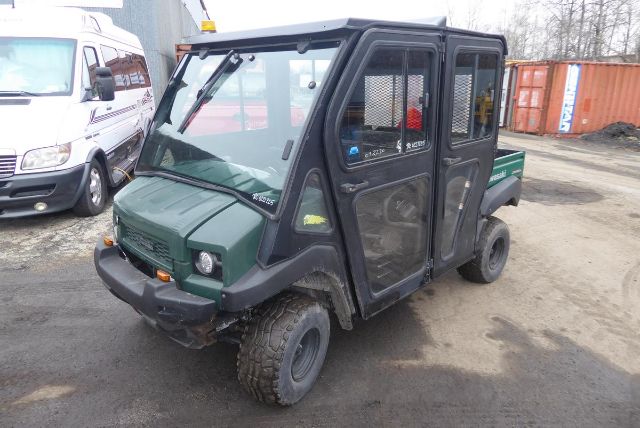
Selling a kawasaki other? List your kawasaki other for sale and reach thousands of commercial buyers.
Kawasaki Others
A buyer should start with drivetrain, seating, and bed configuration. Many Kawasaki utility-type units in this class use diesel engines, hydrostatic or CVT-style transmissions, 4WD systems, and heavy-duty suspension suited for mixed terrain. Enclosed cab setups with heat are especially useful for cold-weather yards and year-round municipal or industrial service. Tire size, ground clearance, turning radius, overall width, and wheelbase matter more than they would on standard highway equipment because these machines are often working in narrow lanes, shop areas, gravel roads, or off-pavement environments. Bed dimensions and hitch receiver size also matter if the unit will carry parts, tow small trailers, or support maintenance crews.
Condition should be evaluated by hours as much as by odometer reading. On Kawasaki support equipment, engine hours, hydrostatic performance, steering response, 4WD engagement, brake feel, and electrical function usually tell you more than appearance alone. Cab seals, heater operation, seat condition, bed floor wear, and signs of corrosion around the frame or suspension mounting points can reveal how the machine was used. If the unit will spend time around warehouses or paved yards, tire wear and driveline smoothness are worth close attention. If it is headed into rough ground or agricultural service, inspect underbody protection, suspension travel, and the condition of the differential and axle components.
This Kawasaki equipment category is best for buyers who need a compact work vehicle rather than a dedicated truck body. It can serve as a shop support machine, maintenance cart, facility transport unit, or light-duty hauling platform. Common decision points include diesel versus gas power, open station versus enclosed cab, two-passenger versus crew seating, and the balance between payload capacity and maneuverability. A well-matched Kawasaki unit can reduce reliance on full-size trucks for short-range tasks, lower operating cost for internal transport, and keep personnel and tools moving efficiently across large properties.
Frequently Asked Questions about Kawasaki Others
What kind of equipment is typically listed under Kawasaki other trucking equipment?
This category usually includes Kawasaki utility vehicles, personnel carriers, and support machines used around yards, industrial sites, farms, campuses, and maintenance facilities. These are not typically highway trucks. They are compact work vehicles built to move people, tools, small cargo, and parts efficiently across private property or jobsite environments.
What specs matter most when buying a Kawasaki utility or support vehicle?
The most important specs are engine type, drivetrain, seating capacity, cargo-bed size, payload rating, overall dimensions, and whether the machine has an enclosed cab with heat. Buyers should also look at 4WD capability, transmission type, tire size, ground clearance, and hitch setup. These details determine how well the unit will perform in mud, gravel, snow, tight yard spaces, or paved facility routes.
Are hours more important than miles on this type of Kawasaki equipment?
In many cases, yes. Utility and support vehicles often spend much of their life at lower speeds, idling, stopping frequently, or working off-road, so engine hours can be a better indicator of wear than odometer miles alone. A strong evaluation should include hours, service history, engine performance, transmission response, steering, brakes, and the condition of the cab, bed, suspension, and driveline components.
Is a diesel Kawasaki unit better for fleet or industrial use?
A diesel-powered Kawasaki unit is often preferred for industrial, municipal, and fleet support use because diesel engines typically offer strong low-speed torque, good fuel efficiency, and long service life when maintained properly. That said, the right choice depends on the duty cycle, climate, maintenance capability, and parts support. For heavier hauling, frequent use, or rougher terrain, diesel and 4WD are often desirable combinations.
Where does Kawasaki other equipment fit in a trucking or fleet operation?
It fits best as a support asset rather than a primary transport unit. Fleets use this type of equipment for yard checks, moving technicians, carrying repair parts, transporting small tools, and handling short-distance internal logistics. It helps reduce wear on larger trucks, improves movement across large properties, and gives maintenance or operations staff a practical vehicle for daily support tasks.