
Used International Conventional Sleeper Trucks For Sale in Kentucky
Shop used International conventional sleeper trucks in Kentucky. Compare ProStar and LT specs, sleepers, engines, wheelbase, and fleet-ready features.
Learn more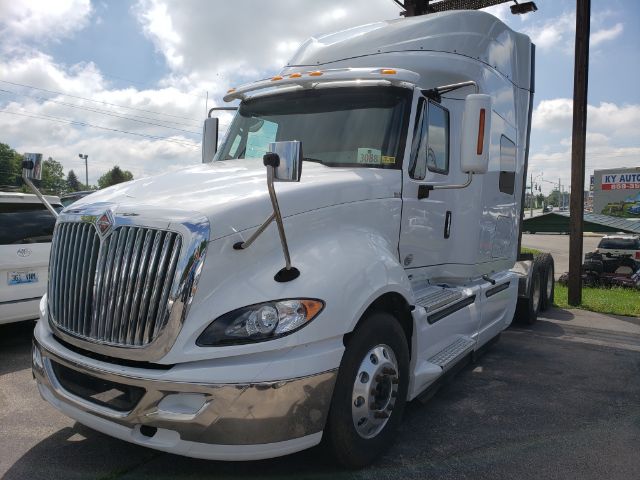
Have used international conventional sleeper truck to sell? List it here to reach thousands of buyers.
About Used International Conventional Sleeper Trucks in Kentucky
The big buying decision usually starts with the powertrain. Many used International sleepers are spec'd with Cummins ISX or X15 engines, while others may carry International A26 or older MaxxForce engines depending on year and application. Buyers should pay close attention to horsepower and torque ratings, transmission type, emissions history, and documented repair work on EGR, DPF, SCR, and aftertreatment components. Automated manual transmissions are common in later trucks, though manual gearboxes still appeal to some operators who want simplicity and direct control. Rear axle ratio, wheelbase, and fifth wheel setup also matter because they affect fuel economy, trailer swing clearance, turning radius, and the type of lanes the truck can handle efficiently.
Sleeper size and cab layout are just as important as engine specs if the truck will spend nights on the road. International conventional sleepers are commonly found with mid-roof and high-roof configurations, with storage, bunk design, and dash layout varying by model year. Buyers comparing used units should look closely at cab condition, electrical function, HVAC performance, bunk components, and signs of interior wear that can hint at how the truck was treated in linehaul service. On the chassis side, check suspension type, brake configuration, frame condition, tire wear patterns, and any evidence of alignment or kingpin setting issues. Aerodynamic body panels, fairings, and hood fitment are worth inspecting too, since damaged or poorly repaired panels can affect both fuel economy and overall appearance.
For Kentucky buyers, an International sleeper often makes sense because dealer support, parts access, and vocational familiarity are generally strong across the region. A well-maintained used conventional sleeper can serve a small fleet, leased operator, or first-time buyer looking for a highway tractor that is straightforward to spec and easier to place into revenue service. The best value is usually found by matching the truck's mileage, maintenance records, sleeper configuration, and emissions system condition to the exact freight cycle it will run, rather than shopping on price alone.
Frequently Asked Questions
What are the most common International conventional sleeper models on the used market?
The most common used International conventional sleeper trucks are the ProStar and the newer LT Series. The ProStar is known as International's earlier aerodynamic highway tractor, while the LT refined that platform with updates to cab design, efficiency, and driver comfort. Both are widely used in over-the-road and regional applications, so buyers will typically find a range of sleeper sizes, engine ratings, and transmission configurations.
What should I look for when buying a used International sleeper truck?
Focus first on maintenance history, engine and aftertreatment condition, transmission performance, and overall chassis wear. ECM reports, service records, and documentation for major emissions repairs are especially important on used highway tractors. Buyers should also inspect the sleeper and cab for HVAC operation, electrical issues, bunk condition, and signs of hard fleet use, then review tire wear, suspension condition, brake life, and frame integrity to confirm the truck matches the seller's description.
Are International conventional sleeper trucks good for long-haul freight?
Yes, many International conventional sleeper trucks are spec'd specifically for long-haul and regional highway freight. Aerodynamic styling, raised-roof sleeper options, and common tandem axle configurations make them suitable for dry van, reefer, and dedicated lanes. The key is choosing a truck with the right sleeper size, horsepower, axle ratio, and maintenance background for the route length and freight weight you expect to run.
Which engine is better in a used International sleeper, Cummins or International?
That depends on the truck's year, maintenance record, and your service preferences. Cummins-powered International sleepers are often favored because of broad service support and strong familiarity across independent repair shops. International engines can also perform well when properly maintained, but buyers tend to scrutinize model year, emissions design, and repair history more closely. In either case, the better choice is the truck with documented upkeep, clean diagnostics, and a power rating that fits the intended duty cycle.
Why do wheelbase and rear axle ratio matter on a conventional sleeper tractor?
Wheelbase and rear axle ratio directly affect maneuverability, ride quality, fuel economy, and how the tractor handles different trailer lengths and load profiles. A longer wheelbase can improve ride and sleeper packaging but may be less nimble in tight yards or urban docks. Rear axle ratio influences engine rpm at cruise speed, startability, and grade performance, so buyers should match those specs to highway speed, terrain, and average gross combination weight rather than treating them as minor details.