
Used International Conventional Daycab Trucks For Sale in Georgia

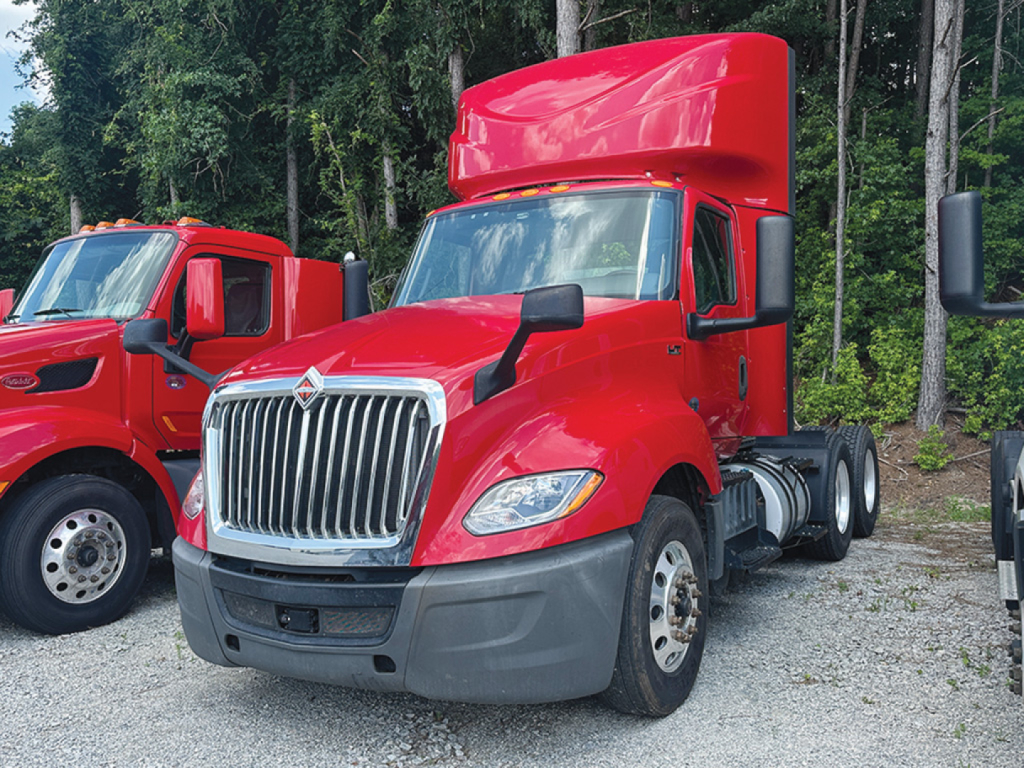
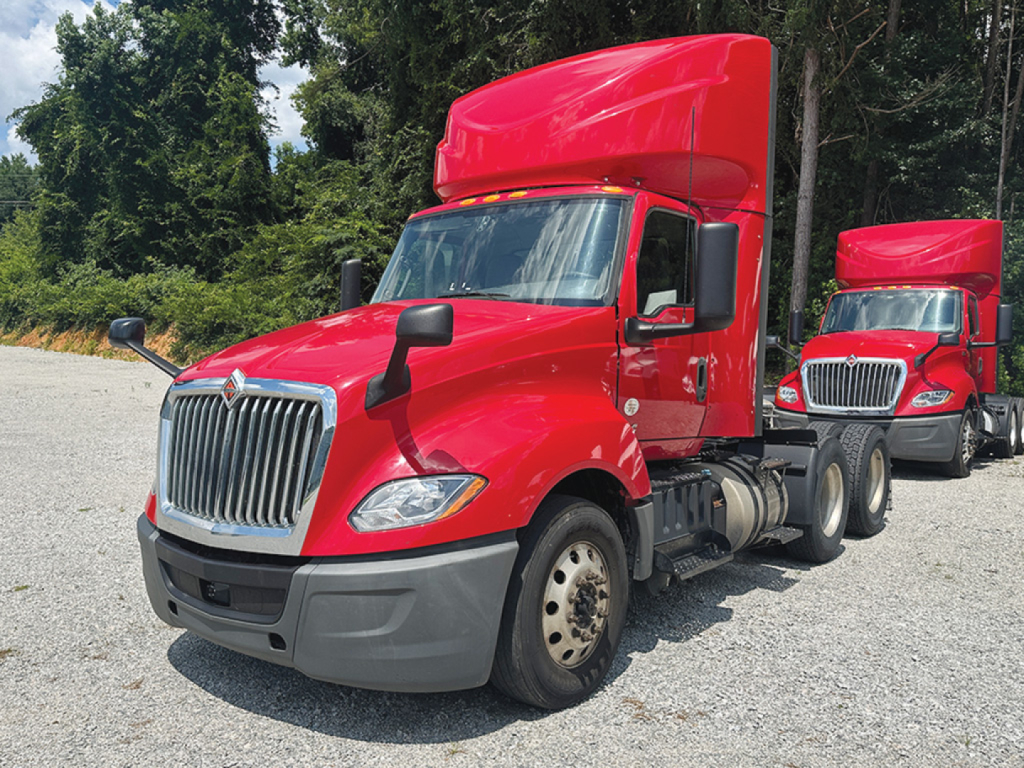
Have used international conventional daycab truck to sell? List it here to reach thousands of buyers.
Used International Conventional Daycab Trucks in Georgia
The first decision point is usually engine and drivetrain. Late-model International daycabs often show up with Cummins X15 power in the 400 to 450 HP range, while earlier units may carry the Navistar N13. Automatic and automated manual transmissions are common in fleet-spec trucks because they reduce driver fatigue and help standardize operation across mixed experience levels. Many used daycabs in this class are set up with 40,000 lb rear axles, air ride suspension, engine brakes, and highway gearing such as 2.64 or 2.79 ratios. That combination generally points to fuel-conscious on-road use rather than severe vocational service. Wheelbases in the mid-170-inch range are also common, giving enough room for fairings, fuel capacity, and fifth wheel adjustment while staying practical in tighter terminals and customer yards.
Spec details matter because small differences change how a daycab performs in your operation. An air slide fifth wheel is valuable if trailer position flexibility matters across multiple trailer lengths or kingpin settings. Disc brakes, low-profile 22.5 rubber, aluminum outside wheels, cab extenders, and roof fairings all fit the typical fleet highway spec and can reduce maintenance variation when matching trucks across a larger operation. Collision mitigation systems, cruise control, power windows, tilt-telescoping columns, and air-conditioned cabs also matter more than they used to, especially for driver retention and safety compliance. Fuel tank layout, horizontal exhaust, and quarter fenders are worth checking if the truck will spend time around drop lots, ports, or urban loading areas where clearance and debris control matter.
For a used International daycab, buyers should pay close attention to emissions history, engine software campaigns, transmission calibration, aftertreatment service records, suspension wear, and fifth wheel condition. On LT625 models, a well-documented maintenance file can be more important than a minor difference in model year. It also helps to match axle ratio and horsepower to the freight. A 450 HP daycab with tall highway gears can be a strong fit for dry van and reefer lanes, while stop-and-go regional work may benefit from a spec that balances launch performance with fuel economy. International conventional daycab trucks remain popular because parts support is broad, driver controls are familiar, and the platform is well suited to fleet replacement, private carriage, and dedicated route work across Georgia and the Southeast.
Frequently Asked Questions about Used International Conventional Daycab Trucks in Georgia
What are the most common International daycab models on the used market?
The most common used International conventional daycab models are the LT625 and older ProStar daycab configurations. The LT625 is the newer aerodynamic platform and is widely used in regional and fleet service, while the ProStar remains common in older fleet dispersals. Both are non-sleeper highway tractors designed for short-haul and regional work rather than long-distance sleeper applications.
What engine and transmission specs are typical in a used International conventional daycab?
Many used International daycabs are equipped with either a Cummins X15 or a Navistar N13, often rated around 450 horsepower. Automatic and automated manual transmissions are very common, especially in fleet-maintained units. Buyers will also frequently see engine brakes, 40,000 lb rear axles, air ride suspension, and highway axle ratios such as 2.64 or 2.79, which are aimed at fuel-efficient road service.
Is an International daycab a good fit for Georgia regional freight?
Yes. A used International daycab is often a strong fit for Georgia operations tied to Atlanta distribution, short-haul freight, drayage support, and dedicated regional lanes across the Southeast. The shorter overall length compared with a sleeper tractor helps in terminals, customer yards, and urban areas, while the aerodynamic conventional design still supports highway speeds and fuel-conscious operation.
What should I inspect first on a used International LT625 or ProStar daycab?
Start with maintenance records, engine hours, idle time, and emissions system history. Then inspect the aftertreatment components, transmission operation, suspension wear points, brake type and condition, tire wear pattern, fifth wheel function, and any signs of frame modification or prior damage. On fleet-spec daycabs, consistency in service history often tells you more about long-term value than cosmetic condition alone.
Why do axle ratio and wheelbase matter on a daycab tractor?
Axle ratio affects launch performance, cruise RPM, gradeability, and fuel economy, so it should match the freight and terrain. A 2.64 or 2.79 ratio is common on highway-oriented daycabs and usually supports regional van or reefer work well. Wheelbase matters because it influences turning radius, trailer gap, fuel tank space, and fifth wheel placement. A mid-170-inch wheelbase is a common compromise between maneuverability and road stability.