
Used International Ambulance Trucks For Sale
No exact matches found for your search
Showing Used Ambulance Trucks instead.
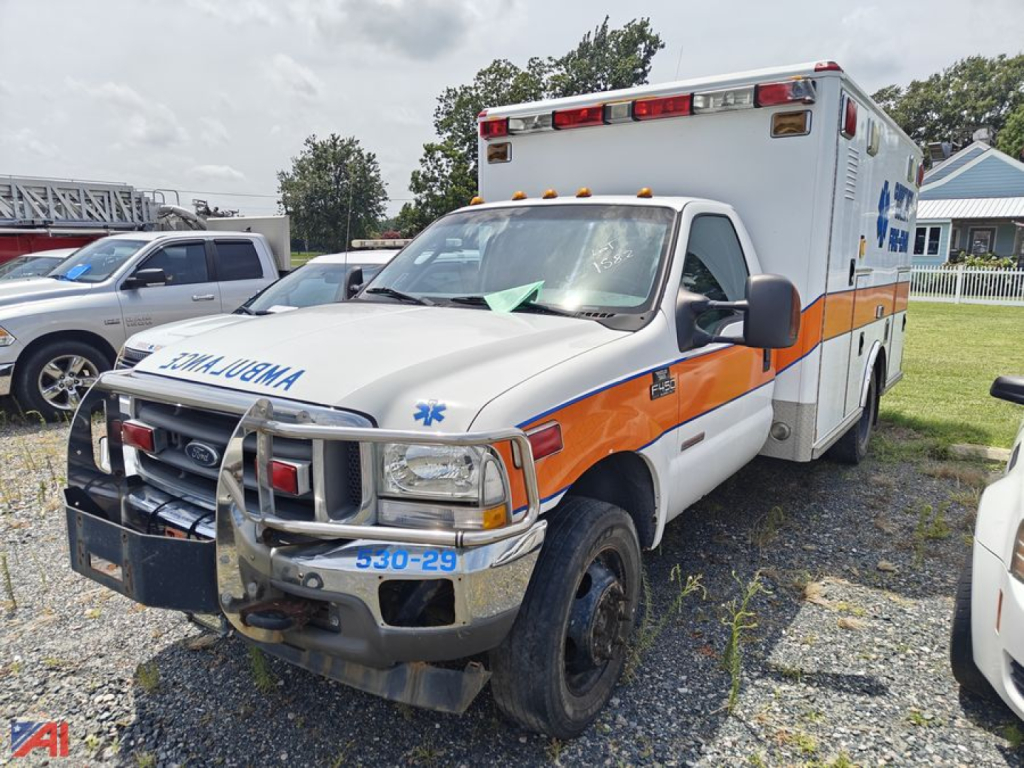
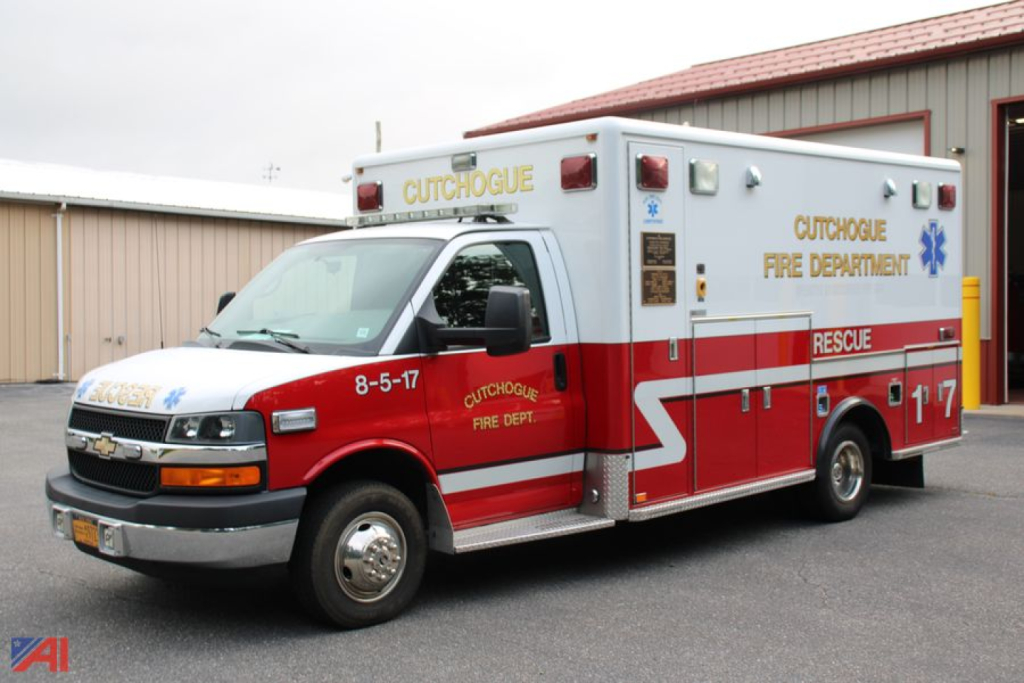
Have used international ambulance truck to sell? List it here to reach thousands of buyers.
Used International Ambulance Trucks
The chassis deserves close attention first. On older International ambulance trucks, common buyer checkpoints include GVWR, wheelbase, rear axle rating, suspension type, brake configuration, engine family, and transmission model. Many are diesel-powered and paired with proven automatic transmissions, but actual spec can vary by upfitter and original agency order. A buyer should also verify idle hours, engine hours if available, cooling system condition, charging capacity, and any evidence of prolonged stationary operation. Ambulance use is hard on alternators, batteries, HVAC systems, and electrical distribution because these trucks spend long periods running scene lighting, warning equipment, medical electronics, and climate control at idle.
The ambulance module is just as important as the truck underneath it. Check for water intrusion, corrosion in compartment floors, oxidation around door frames, delamination, cracked mounts, and wear in the pass-through area between cab and body. Review the oxygen storage setup, inverter and shoreline systems, wiring repairs, switch panels, warning light circuits, and HVAC operation in both the cab and patient compartment. If the unit is being converted for non-emergency use, buyers often focus on interior standing room, cabinet layout, exterior compartment access, and the cost of decommissioning sirens, light bars, decals, and medical gas components to meet local regulations.
A used International ambulance can be a strong value when the buyer treats it as a commercial truck with a highly specialized body, not just an emergency vehicle. Parts availability for the International chassis is often better than for the ambulance body systems, so the condition of the module, electrical architecture, and upfit components can determine long-term cost more than the odometer alone. For buyers comparing listings, the most useful details are chassis model, engine and transmission specs, module manufacturer, total hours, maintenance records, and current status of emergency equipment removal or certification.
Frequently Asked Questions about Used International Ambulance Trucks
What should I inspect first on a used International ambulance truck?
Start with the chassis and the electrical system. Confirm the International model, engine, transmission, GVWR, brake type, and service history, then look closely at alternators, batteries, shoreline charging, inverter operation, and hour-related wear from extended idling. After that, inspect the ambulance body for leaks, corrosion, compartment damage, HVAC performance, and signs of outdated or heavily modified wiring.
Are International ambulance trucks good candidates for conversion?
Yes, many are bought for conversion because the International medium-duty chassis is durable and easier to service than some specialized emergency platforms. Common second-life uses include mobile workshops, support units, disaster response, event command, and utility bodies. The key issue is not just chassis condition, but how much work is required to remove emergency equipment, rewire the module, and adapt the interior layout to the new purpose.
Why do engine hours matter on an ambulance truck?
Engine hours help explain wear that mileage alone does not show. Ambulances often spend long periods idling to power lights, HVAC, radios, and medical equipment, so a relatively low-mile unit can still have substantial engine and charging-system wear. High idle time can affect the cooling system, emissions components where applicable, electrical components, and overall maintenance needs.
What chassis features are common on International ambulance trucks?
Many International ambulance trucks are built on medium-duty platforms such as the 4300 or DuraStar series. Buyers often see diesel engines, automatic transmissions, hydraulic brakes or air brake configurations depending on the build, and commercial front axle and rear axle ratings suited to a heavy module body. Exact specifications vary by year and original agency requirements, so the data plate and service records should always be verified.
Is the ambulance body or the truck chassis more important when buying used?
Both matter, but the ambulance body can drive repair cost faster than many buyers expect. International chassis parts and truck service support are generally more straightforward to source than proprietary body hardware, HVAC components, compartment latches, warning-system parts, or aging control panels. A solid chassis with a leaking or poorly maintained module can become more expensive than a higher-mile truck with a clean, dry, well-documented body.