
International Ambulance Trucks For Sale
Shop International ambulance trucks with commercial-duty chassis, serviceable drivetrains, and emergency body configurations built for fleet use.
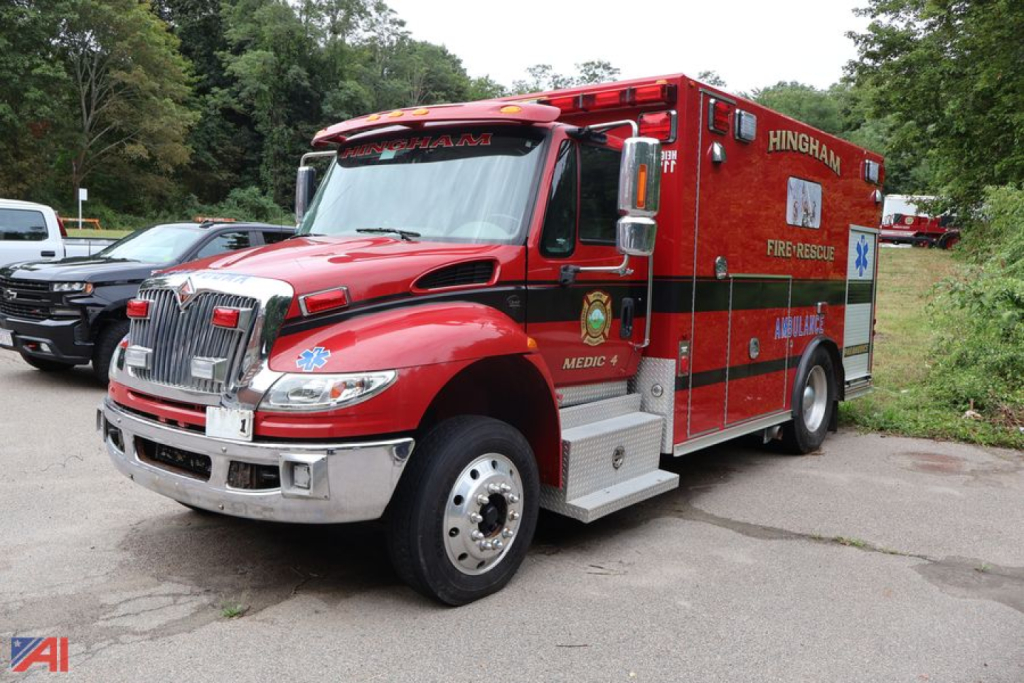
Selling a international ambulance truck? List your international ambulance truck for sale and reach thousands of commercial buyers.
International Ambulance Trucks
The chassis matters as much as the medical box. International ambulance units are often equipped with diesel power, automatic transmissions, hydraulic brakes or air-over-hydraulic systems depending on build, and suspension setups intended to carry the added weight of the module, onboard equipment, oxygen storage, and shoreline charging systems. A buyer should confirm GVWR, rear axle rating, front suspension capacity, and actual curb weight before assuming the truck can still support its intended payload. Wheelbase and overall length affect turning radius and urban maneuverability, while cab-to-axle dimensions influence body fit, compartment space, and service access.
Condition evaluation on an ambulance truck goes beyond normal medium-duty truck checks. Electrical system health is critical because these units may have multiplex wiring, inverter systems, scene lighting, warning lights, battery management equipment, and shoreline charging components that have seen heavy duty cycles. It is also important to inspect idle hours, engine hours versus odometer miles, rust at body mounts and compartment floors, HVAC performance in both cab and module, and the condition of doors, seals, latches, and exterior compartment hardware. Many former municipal and county units were maintained on strict schedules, but buyers still need to verify decommissioning status, removed emergency equipment, and any state or local requirements for titling and repurposing.
International ambulance trucks are commonly repurposed for emergency response support, fire department rehab units, mobile command applications, event medicine, industrial site response, and specialty service bodies after front-line EMS duty. For buyers who need a heavier-duty platform than a cutaway ambulance, this category offers a useful blend of truck-shop serviceability and emergency body capability. The best fit usually comes down to payload margin, electrical condition, body integrity, and how well the original emergency upfit matches the next job.
Frequently Asked Questions about International Ambulance Trucks
What makes an International ambulance truck different from a van or cutaway ambulance?
An International ambulance truck typically uses a medium-duty commercial chassis with a higher GVWR, stronger frame, and truck-style service access. That usually translates to better durability under heavy payloads, more robust suspension and axle ratings, and improved suitability for demanding municipal or industrial use. The tradeoff is larger overall size and, in some cases, a tighter fit in urban environments compared with lighter van-based ambulances.
What should I check first on a used International ambulance?
Start with GVWR, axle ratings, wheelbase, powertrain condition, and electrical system function. Ambulances often have extensive auxiliary wiring for warning lights, inverters, battery chargers, HVAC, suction, and scene lighting, so electrical problems can be more expensive and time-consuming than ordinary truck repairs. It is also smart to review idle hours, maintenance records, rust around module mounts and compartment floors, and confirmation that any decommissioned emergency equipment was removed properly.
Are International ambulance trucks good candidates for repurposing?
Yes, many are repurposed successfully because the chassis is commercial-duty and the body already provides exterior compartments, interior workspace, climate control, and onboard electrical infrastructure. Common secondary uses include mobile medical support, command units, disaster response, utility support, and specialty fleet conversions. The key is matching the remaining payload capacity, interior layout, and electrical system condition to the new application before purchase.
Which specs matter most when comparing International ambulance listings?
The most important specs are GVWR, engine type, transmission, wheelbase, rear axle rating, brake system, overall body length, and total operating weight. Those figures tell you how the truck will carry equipment, how it will maneuver, and how easily it can be serviced within a mixed fleet. Buyers should also compare compartment configuration, HVAC capacity, shoreline setup, and the condition of the module structure because those items strongly affect usability after purchase.