
Used Hino Box Trucks For Sale in Florida
Shop used Hino box trucks in Florida. Compare Hino 195 and 268A dry vans with liftgates, diesel power, and under-CDL GVWR options.
Learn more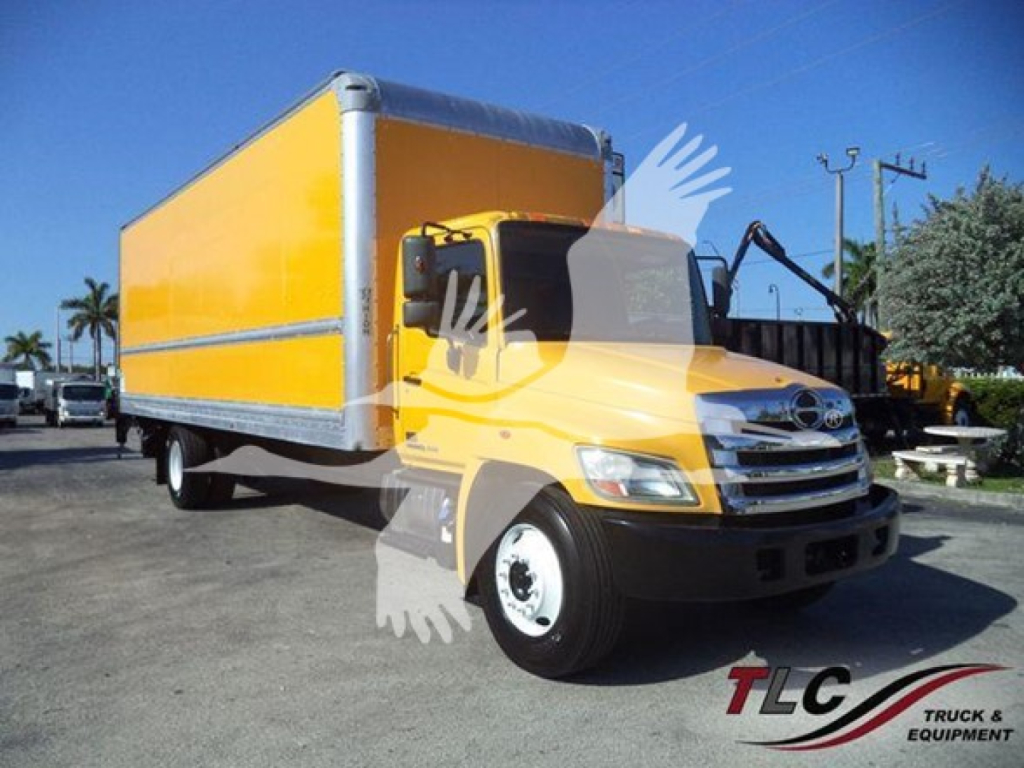
Have used hino box truck to sell? List it here to reach thousands of buyers.
About Used Hino Box Trucks in Florida
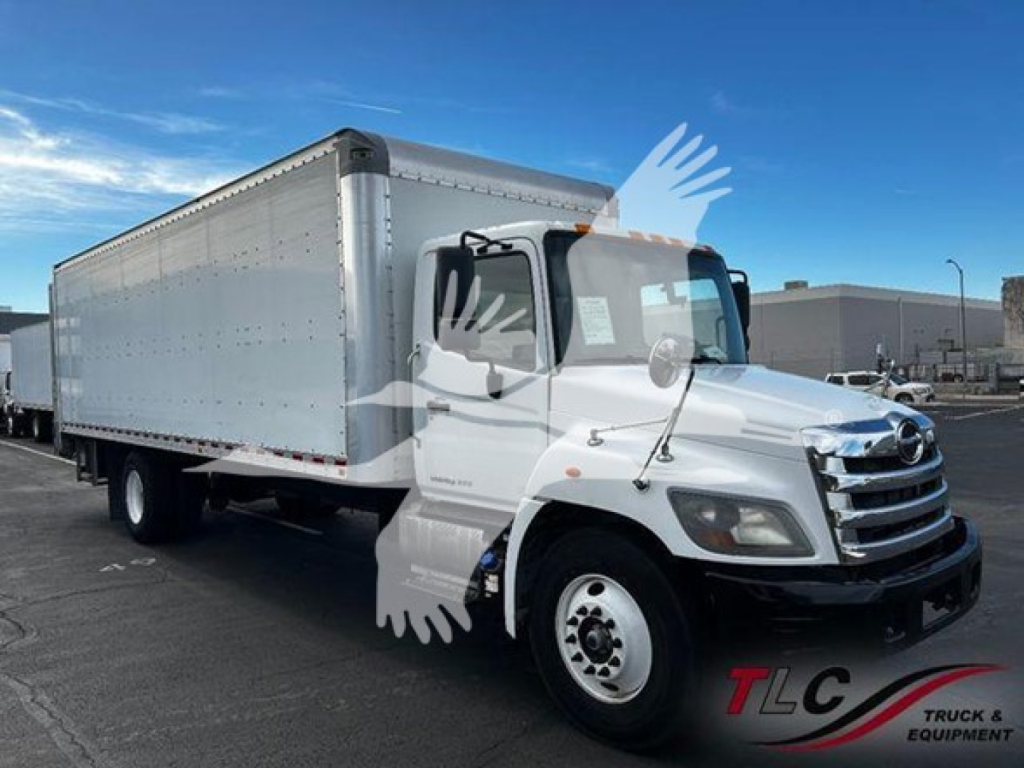
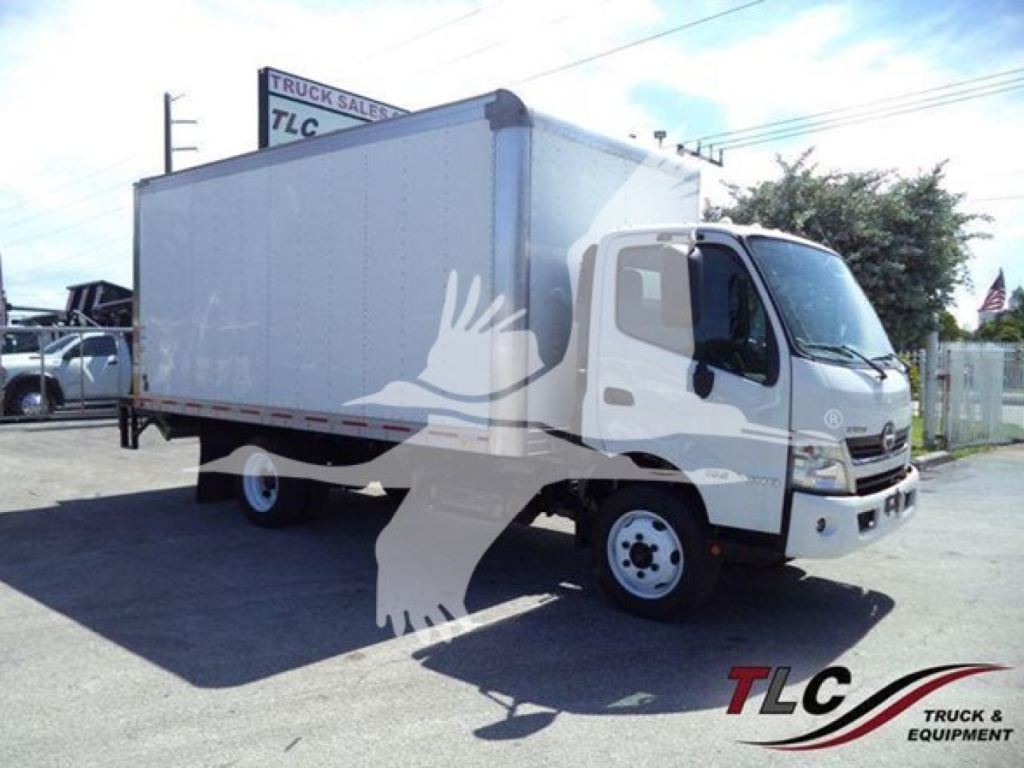
The most common used Hino box truck models in this segment are the Hino 195 and Hino 268A. A Hino 195 usually suits lighter urban work with a GVWR around 19,500 lbs, commonly paired with a 16-foot box and often remaining under CDL thresholds. A Hino 268A steps up into heavier medium-duty service with GVWRs around 25,950 lbs, frequently matched with 24-foot to 26-foot dry freight bodies for larger route density and higher cube capacity while still staying under the 26,001-lb CDL cutoff in many specs. Engine packages often include Hino diesel platforms such as the 5.1L J05E or 7.6L J08E series, typically backed by Allison automatic transmissions or Hino automatic gearboxes. That combination is popular with fleets that want easier driver onboarding and consistent stop-and-go performance.
Body specification is just as important as chassis spec on a used box truck. Common features include roll-up rear doors, tuck-under or rail liftgates, E-track for cargo securement, and interior dimensions around 102 inches wide on larger bodies. Buyers should look closely at body manufacturer, floor condition, roof integrity, door frame wear, and evidence of water intrusion, especially on trucks that have spent time in humid coastal climates. In Florida service, corrosion is usually less about road salt and more about moisture, surface rust on hardware, and wear at liftgate assemblies, hinges, and door tracks. If the truck will handle palletized freight, confirm liftgate capacity, platform size, and whether the rear frame and suspension are rated appropriately for repeated dock and curbside loading.
A good used Hino box truck purchase comes down to matching the truck to the route. Tight city delivery favors shorter wheelbases, lower step-in height, and a 16-foot body. Bulkier but lighter cargo often justifies a 24-foot or 26-foot body on a 268A. Review axle ratings, brake type, wheelbase, fuel capacity, and maintenance history, then compare those against your expected payload and daily stop count. For buyers focused on operating efficiency, Hino has long been a practical option in the medium-duty box truck market because parts support is established, diesel drivetrains are built for commercial cycles, and under-CDL configurations can widen the available driver pool.
Frequently Asked Questions
What are the most common used Hino box truck models buyers look for?
The Hino 195 and Hino 268A are among the most common used Hino box truck models in the market. The 195 is typically used for lighter delivery work and shorter boxes, often around 16 feet, while the 268A is more common with 24-foot to 26-foot dry van bodies and higher GVWR ratings. The right choice depends on payload, cargo volume, route type, and whether staying under CDL weight thresholds is a priority.
Is a Hino box truck considered under CDL?
Many Hino box trucks are configured to stay under the CDL threshold, but it depends on the truck’s GVWR, not just the model name. Units rated at 19,500 lbs or 25,950 lbs GVWR are commonly chosen because they remain below the 26,001-lb federal CDL cutoff. Buyers should still confirm the exact door sticker, body upfit weight, and any towing combination because those factors determine legal operating requirements.
What should I inspect on a used Hino box truck before buying?
Focus on both the chassis and the box body. On the chassis side, review engine service history, transmission operation, brake type, suspension wear, tire condition, and any fault codes. On the body side, inspect the roof, front wall, floor, scuff areas, rear frame, roll-up door, and liftgate operation. Water intrusion, floor soft spots, rust at hinges and hardware, and liftgate fatigue are common areas that affect long-term value and immediate usability.
Are liftgates important on a used Hino box truck?
A liftgate can be one of the most valuable specs on a box truck if the work involves palletized freight, appliances, vending, or residential delivery without dock access. Tuck-under liftgates preserve rear access and are common on delivery fleets, while rail gates can offer higher capacity for heavier cargo. The key is to match the liftgate’s rated capacity, platform dimensions, and cycle condition to the freight you actually move.
Why are Hino box trucks popular for Florida delivery work?
Hino box trucks fit many Florida applications because they are available in under-CDL medium-duty configurations, use proven diesel drivetrains, and can be upfitted with box lengths and liftgates suited to dense local delivery routes. They are commonly used for moving, food and beverage distribution, furniture, and general freight. In Florida, buyers should pay extra attention to body sealing, liftgate condition, and moisture-related wear caused by heat, humidity, and coastal exposure.