
Used Freightliner Conventional Daycab Trucks For Sale in Ohio
Browse used Freightliner conventional daycab trucks in Ohio. Compare Cascadia specs, axle setups, powertrains, and regional haul features.
Learn more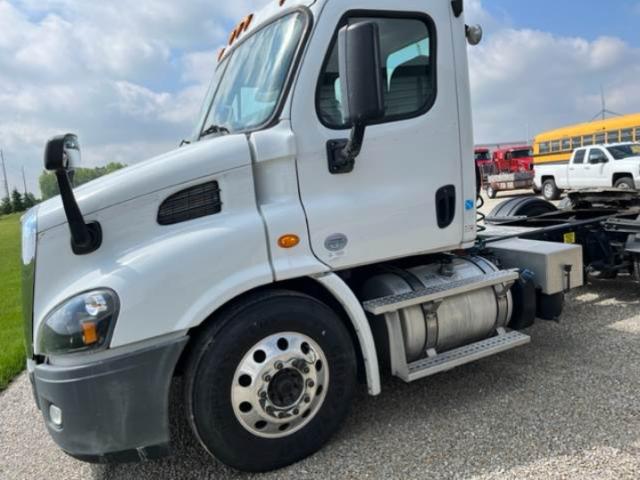
Have used freightliner conventional daycab truck to sell? List it here to reach thousands of buyers.
About Used Freightliner Conventional Daycab Trucks in Ohio
The biggest buying decisions usually come down to engine, transmission, axle ratio, and wheelbase. Many used Freightliner daycabs are spec'd with Detroit power, often the DD13 or DD15, paired with automated manual transmissions like the DT12, though manual and other engine combinations are also seen in the market. Buyers should match horsepower and torque to the job instead of buying on badge alone. Regional van and reefer fleets often prioritize fuel economy and lighter spec components, while heavier vocational or short-haul applications may need stronger rear axle ratings, different suspension setups, or locking differentials. Common checkpoints include miles, idle hours, aftertreatment history, DPF and SCR service records, clutch life on automated manuals, and evidence of consistent preventive maintenance.
Cab condition and driver-focused features matter more in a daycab than some buyers expect because the truck is constantly entering and exiting docks, yards, and customer sites. Look for seat wear, HVAC performance, steering play, suspension condition, and signs of hard stop-and-go use. Safety and convenience features such as collision mitigation, LED headlights, tire inflation systems, lane departure warning, and telematics are increasingly common on later-model Freightliner daycabs. If the truck will run in Ohio year-round, pay close attention to frame and crossmember corrosion, brake condition, tire age, and the condition of fairings, wiring, and air lines exposed to road salt and winter grime.
Freightliner conventional daycab trucks also tend to hold broad parts and service support, which is a major reason they remain popular in fleet and owner-operator applications. Buyers comparing listings should verify GVWR, front and rear axle ratings, fifth wheel setup, suspension type, fuel capacity, and whether the truck was fleet maintained or operated in a more demanding stop-start environment. A clean used Freightliner daycab with the right spec for the lane can be a cost-effective tractor for regional freight without the added expense and weight of a sleeper.
Frequently Asked Questions
What is a Freightliner conventional daycab truck best suited for?
A Freightliner conventional daycab truck is best suited for regional haul, local delivery, port and rail drayage, tanker work, and dedicated lanes where the driver returns home daily. The conventional hood design provides easier engine access for service, and the daycab configuration saves weight and improves maneuverability compared with a sleeper tractor. That combination makes it a common choice for fleets focused on uptime, fuel economy, and frequent stop-and-go operations.
What should I inspect first on a used Freightliner daycab?
Start with the powertrain service history, engine hours, aftertreatment records, and transmission performance. Then inspect the frame for corrosion, especially in states like Ohio where winter road treatment can accelerate rust. Brake wear, suspension bushings, steering components, air leaks, tire condition, and fifth wheel wear are also high-priority items. In the cab, check seat condition, HVAC output, warning lights, and the operation of any driver-assistance systems.
Which engines are common in used Freightliner conventional daycabs?
Many used Freightliner daycabs, particularly Cascadia models, are equipped with Detroit DD13 or DD15 engines. The right engine depends on the application. A DD13 is often a strong fit for regional freight where fuel economy and lower operating weight are priorities, while a DD15 may be preferred for heavier loads or more demanding terrain. Buyers should evaluate horsepower, torque, axle ratio, and transmission spec together rather than focusing on engine model alone.
Are automated manual transmissions a good choice in a used daycab?
Automated manual transmissions are common in fleet-spec Freightliner daycabs because they can improve fuel consistency, reduce driver fatigue, and help standardize operation across multiple drivers. They are often a good choice for regional and urban routes with frequent shifting. The key on a used truck is confirming smooth engagement, clutch condition where applicable, software update history, and proper calibration. A poor-performing automated transmission can create downtime if those areas were neglected.
Why are Freightliner daycabs so common in fleet service?
Freightliner daycabs are common in fleet service because they typically offer a good mix of fuel efficiency, parts availability, driver comfort, and widespread dealer support. Fleets also value the consistency of common Cascadia specifications for maintenance planning and driver training. On the used market, that popularity benefits buyers by creating a broad range of configurations, from lighter regional tractors to heavier daycab specs built for demanding local work.