
Used Ford Trucks For Sale in Arizona
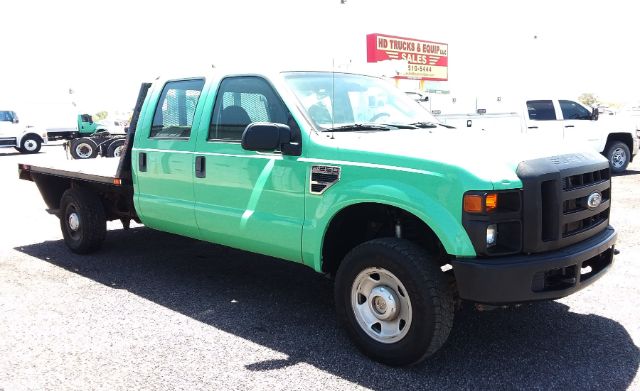
Have used ford truck to sell? List it here to reach thousands of buyers.
Used Ford Trucks in Arizona
For many buyers, the first decision is matching the truck class to the job. A used Ford F-250 or F-350 is common for contractor work, towing equipment, hauling materials, and running a flatbed or service body. F-450 and F-550 models are more appropriate when payload, upfit capacity, or trailer weight moves beyond pickup-level limits. If the listing is a chassis cab or vocational body truck, check the GVWR, axle ratings, wheelbase, suspension setup, and PTO compatibility before focusing on cosmetics. Body condition matters too. On flatbeds, buyers should inspect the deck material, rub rail condition, headache rack, gooseneck or receiver hitch setup, and any evidence of frame modification.
Powertrain choice is another key factor in used Ford trucks. Gas engines are often favored for simpler maintenance and lower upfront cost, especially in lower-mileage local-duty applications. Diesel trucks are still the better fit for heavier towing, higher annual miles, and applications where torque under load matters most. Transmission history, 4x4 function, front-end wear, brake condition, and service records deserve close review on any used unit. Arizona buyers also tend to value clean cabs, intact seat trim, working electronics, and a rust-free underbody, even if sun exposure has faded paint or exterior plastics.
Ford trucks hold their place in commercial use because they are easy to spec around real work. Common features in the used market include crew cab and regular cab layouts, automatic transmissions, integrated trailer brake controls, locking differentials, tow packages, steel or aluminum beds, and work-oriented interiors. The best used Ford truck is not just the newest or lowest-mile unit. It is the one with the right cab configuration, bed or body style, axle ratio, engine, and documented maintenance for the work you need it to do in Arizona.
Frequently Asked Questions about Used Ford Trucks in Arizona
What should I look for when buying a used Ford truck in Arizona?
Focus on heat-related wear and commercial-use condition. Check air conditioning output, cooling system service history, battery and charging performance, tire age, cracked seals, faded plastics, and interior wear from sun exposure. On work trucks, inspect the frame, suspension, hitch equipment, bed or body mounts, and signs of overloading. A clean rust-free Arizona truck can be a strong value, but service records and mechanical condition still matter more than appearance alone.
Which used Ford truck is best for towing and contractor work?
For general contractor use, an F-250 or F-350 often provides the right balance of payload, towing ability, and daily drivability. If the truck will carry a heavier upfit, tow larger trailers, or run in more demanding commercial service, an F-450 or F-550 may be the better fit. The right choice depends on GVWR, rear axle rating, cab configuration, wheelbase, and the actual loaded trailer weight, not just the model badge.
Are gas or diesel used Ford trucks better for commercial use?
Gas Ford trucks usually make sense for lighter-duty work, shorter routes, and buyers who want lower acquisition cost and simpler maintenance. Diesel Ford trucks are typically the better option for frequent heavy towing, higher mileage, and sustained operation under load. The decision should come down to duty cycle, annual miles, maintenance budget, and how often the truck will operate near its weight limits.
What matters most on a used Ford flatbed or chassis cab?
Body and chassis compatibility is critical. Verify wheelbase, frame condition, body installation quality, hitch setup, wiring, brake controller operation, and any PTO-related equipment if applicable. On a flatbed, inspect the deck, crossmembers, stake pockets, headache rack, tie-down points, and gooseneck or receiver hitch wear. A well-maintained chassis cab with the correct upfit is usually more valuable than a cleaner truck with the wrong body for the job.