
2007 Yard Trucks For Sale
Have 2007 yard truck to sell? List it here to reach thousands of buyers.
2007 Yard Trucks
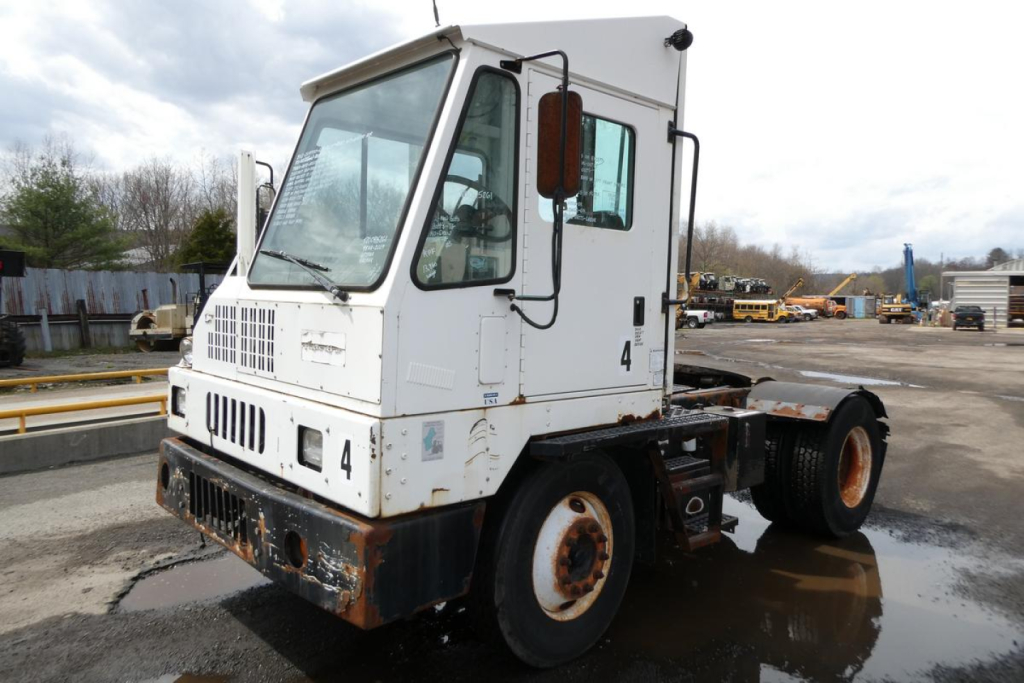
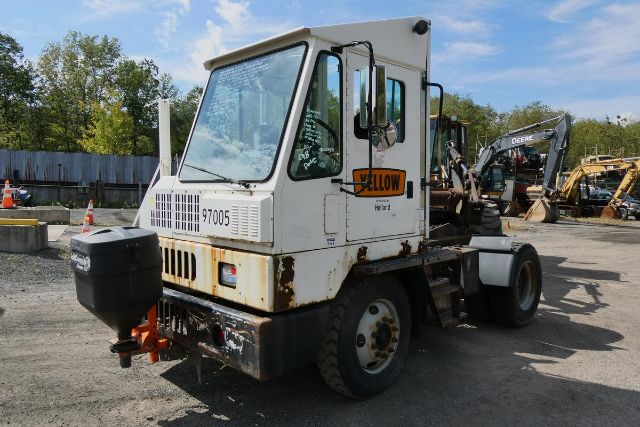
For this model year, buyers will commonly see Cummins diesel power in the mid-horsepower range paired with an Allison automatic transmission. Typical configurations include 4x2 drivetrains, heavy rear axles around the 23,000 lb range, solid suspensions, and GVWRs often near 30,000 to 35,000 pounds. Many units from this era are pre-DEF, which can appeal to fleets looking for simpler emissions systems and easier in-house maintenance. A power up and power down hydraulic fifth wheel is one of the most important items to inspect, along with the PTO, hydraulic cylinders, kingpin engagement system, cooling system, and transmission operation. On older spotters, hours can tell more than odometer readings because yard duty usually means constant low-speed cycles, frequent direction changes, and long idle time.
The buying decision on a 2007 yard truck usually comes down to application and operating environment. For indoor-outdoor warehouse yards, visibility, cab access, and operator ergonomics matter because the truck may be used for hundreds of trailer moves per shift. For rougher yards, look closely at frame condition, suspension wear, and signs of hydraulic seepage around cylinders and lines. If the truck needs to work beyond private property, confirm whether it is DOT legal and equipped for road use, since some yard tractors are spec'd strictly for off-road terminal service. Tire size, rear ratio, and fifth wheel lift speed also affect productivity, especially in operations with loaded trailers, grades, or frequent dock turns.
A well-matched 2007 yard tractor can still be a cost-effective option for private fleet yards, drop-lot operations, and facilities that need reliable trailer spotting without paying for newer emissions technology or highway-spec equipment. The best units are usually the ones with documented service history, tight steering, consistent hydraulic performance, and a transmission that shifts cleanly under repeated forward-reverse cycles. Buyers comparing listings should focus less on cosmetics and more on frame integrity, driveline condition, cab rust, brake system health, and the overall feel of the truck in stop-start yard work.
Frequently Asked Questions about 2007 Yard Trucks
What is a 2007 yard truck used for?
A 2007 yard truck is used to move semi-trailers around a yard, terminal, warehouse, plant, or distribution center. Its primary job is trailer spotting, dock positioning, and short shuttle moves. It is designed for fast hook-and-drop cycles, tight turning radius, and constant low-speed operation rather than long-distance highway hauling.
What should I inspect first on a 2007 terminal tractor?
Start with the transmission, hydraulic fifth wheel system, and frame condition. On a 2007 unit, repeated forward-reverse shifting puts significant wear on the drivetrain, and the hydraulic lift system is central to daily productivity. Also check for rear main seal leaks, hydraulic cylinder seepage, excessive steering play, brake condition, cab corrosion, cooling system performance, and hour meter accuracy if available.
Are 2007 yard trucks pre-DEF?
Most 2007 yard trucks are pre-DEF, which means they do not use diesel exhaust fluid systems found on later emissions-compliant equipment. That can simplify maintenance and reduce emissions-related complexity for some fleets. Buyers should still verify the exact engine family and emissions configuration because 2007 was a transition period for diesel standards.
Can a 2007 yard truck be used on public roads?
Some can, but not all. A 2007 yard truck may be equipped for limited on-road travel if it has the required lighting, braking, registration, and DOT-compliant equipment. Many terminal tractors were built mainly for private property use, so road legality should never be assumed. Buyers should confirm title status, intended use classification, and local regulatory requirements before purchase.
Are engine hours more important than mileage on a yard truck?
In many cases, yes. Yard trucks spend much of their life at low speed, idling, and making short repetitive moves, so mileage alone may understate wear. Engine hours often give a better picture of total use, especially for the engine, transmission, cooling system, and hydraulics. The best evaluation uses both hours and mileage along with maintenance records and an operational test.