
Commercial Trucks For Sale Near Woodbridge, Virginia
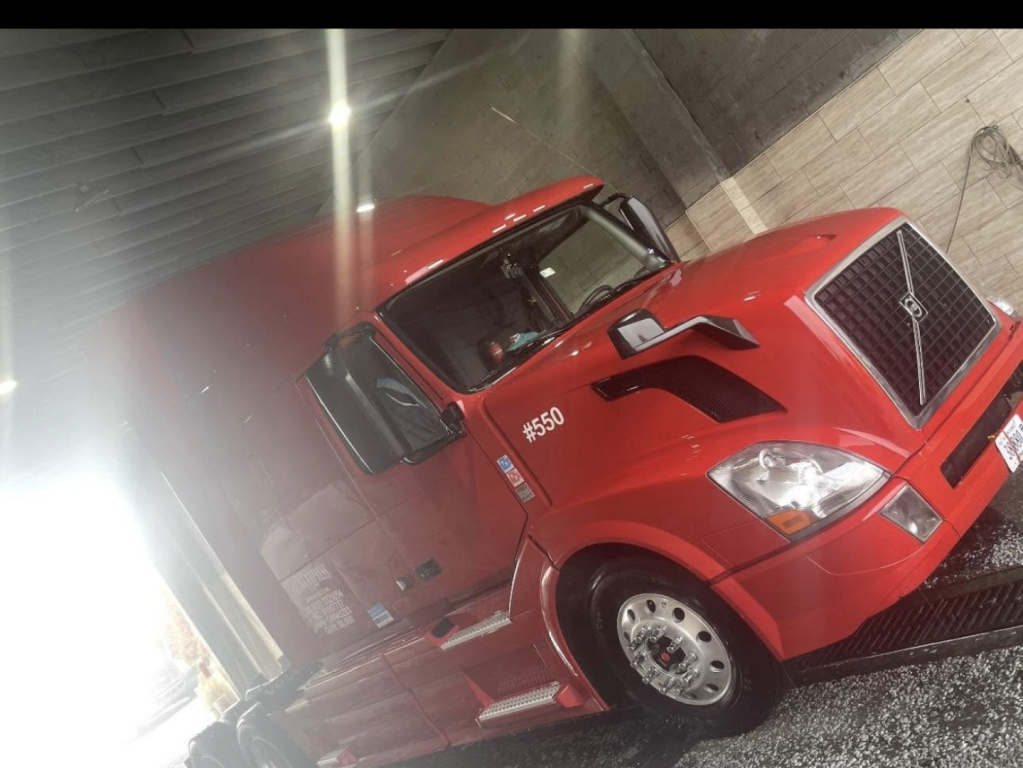

Have commercial truck to sell? List it here to reach thousands of buyers.
Commercial Trucks Near Woodbridge, Virginia
For light-duty and medium-duty trucks, the key buying decision is often payload versus maneuverability. A Ford F-350 class truck can make sense for service-body work, ladder racks, municipal use, and contractor fleets that need 4x4 access and lower operating costs. Step up to an International DuraStar, Freightliner 114SD, or similar platform and the conversation shifts to wheelbase, front axle capacity, rear suspension, PTO provisions, hydraulic equipment, and durability under repeated vocational cycles. In heavier or more specialized trucks, diesel engine family, automatic versus manual transmission, and service history carry more weight than model year alone. Fleet buyers also pay close attention to idle hours, rust exposure, cab condition, warning lights, hydraulic operation, and signs of frame or body repairs.
Vocational trucks deserve a closer inspection than a standard road tractor because the upfit is often the most expensive part of the package. On tow trucks, buyers should inspect the carrier bed, winches, wheel-lift, hydraulic cylinders, controls, and bed pivot points. On service and utility trucks, common checkpoints include compartment condition, ladder rack integrity, inverter or compressor setup, hitch rating, and whether the body layout fits the crew's daily workflow. Vacuum trucks and sewer trucks should be evaluated for blower condition, tank integrity, hose reel wear, pump performance, and the overall state of the plumbing and controls. A truck can run and drive well and still need costly work in the equipment system, so body and auxiliary system condition should be weighed just as heavily as drivetrain condition.
Used trucks in the Woodbridge area may come from contractors, municipalities, utilities, towing fleets, and public agencies, so maintenance patterns can vary widely. Fleet-maintained trucks often show consistent service intervals, but buyers should still confirm engine hours, emissions system status, tire date codes, brake wear, and any known issues with DEF components, injectors, cooling systems, or air leaks. For many buyers, the best value is not the cheapest truck. It is the truck with the right class, the right upfit, and a condition profile that matches the intended duty cycle. When comparing trucks for sale, focus on application fit, total repair exposure, and how easily the unit can be put to work without major reconfiguration.
Frequently Asked Questions about Commercial Trucks Near Woodbridge, Virginia
What should I look for first when buying a used truck?
Start with the truck's intended application and confirm that the chassis, body, and drivetrain match that job. GVWR, axle ratings, wheelbase, cab configuration, engine, transmission, and PTO capability should all fit the work before you evaluate cosmetic condition. After that, inspect maintenance records, engine hours, tire and brake condition, rust, warning lights, and any body or hydraulic equipment tied to the truck's vocational use.
Are vocational trucks harder to evaluate than standard pickup or highway trucks?
Yes. A vocational truck has two major systems to assess: the base truck and the installed equipment. A tow truck, service truck, vacuum truck, or utility truck may have a sound engine and transmission but still require expensive repairs in the bed, pump, blower, winch, reel, controls, hydraulics, or auxiliary power systems. A complete inspection should include both roadability and functional testing of the upfit.
How important is GVWR when comparing trucks for sale?
GVWR is one of the most important specs because it defines the truck's weight class and directly affects payload, registration, upfit options, and how the truck can legally and efficiently be used. Buyers often focus on engine power first, but the frame, suspension, axle ratings, and brake capacity are what determine whether a truck is properly matched to the job. An under-spec'd truck usually costs more over time through overload stress, downtime, and reduced service life.
Is a fleet-maintained truck always a better buy?
Fleet maintenance is a positive sign because it often means scheduled service intervals, documented repairs, and standardized upkeep. That said, it does not eliminate the need for inspection. Some fleet trucks see heavy idle time, short-cycle operation, multiple drivers, or severe-duty environments that accelerate wear on emissions components, suspension parts, hydraulic systems, and body equipment. Service records help, but condition still has to be verified in person.
What are the most common trouble areas on used work trucks?
Common trouble spots include cooling systems, injectors, batteries, air leaks, suspension wear, rust on cab corners and frames, electrical issues from added equipment, and deferred repairs on hydraulics or auxiliary systems. On diesel trucks, emissions components such as DPF, DEF, EGR, and related sensors should be checked closely. On vocational units, wear at pivot points, reels, pumps, blowers, winches, and compartment hardware can add substantial repair cost even if the truck starts and drives normally.