
Western Star Trucks For Sale in New York
Browse Western Star trucks for sale in New York. Compare vocational and highway specs, sleepers, axles, engines, and heavy-duty configurations.
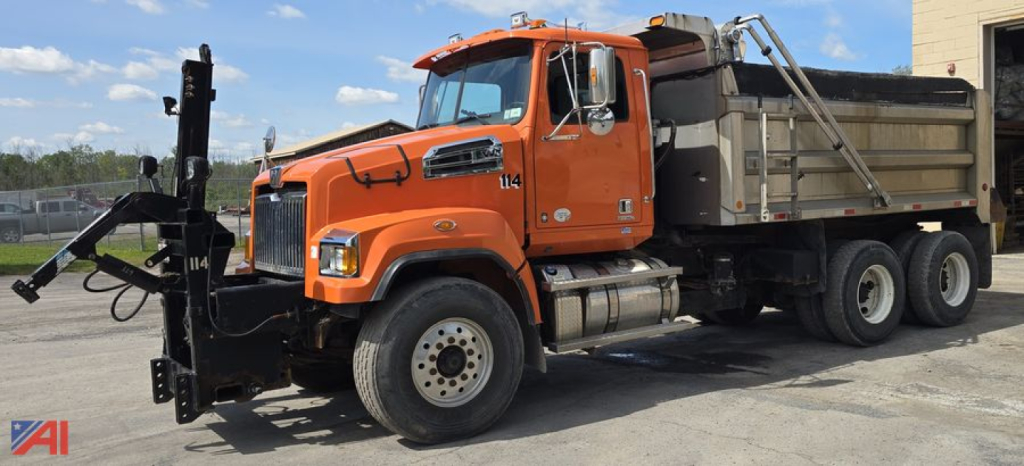
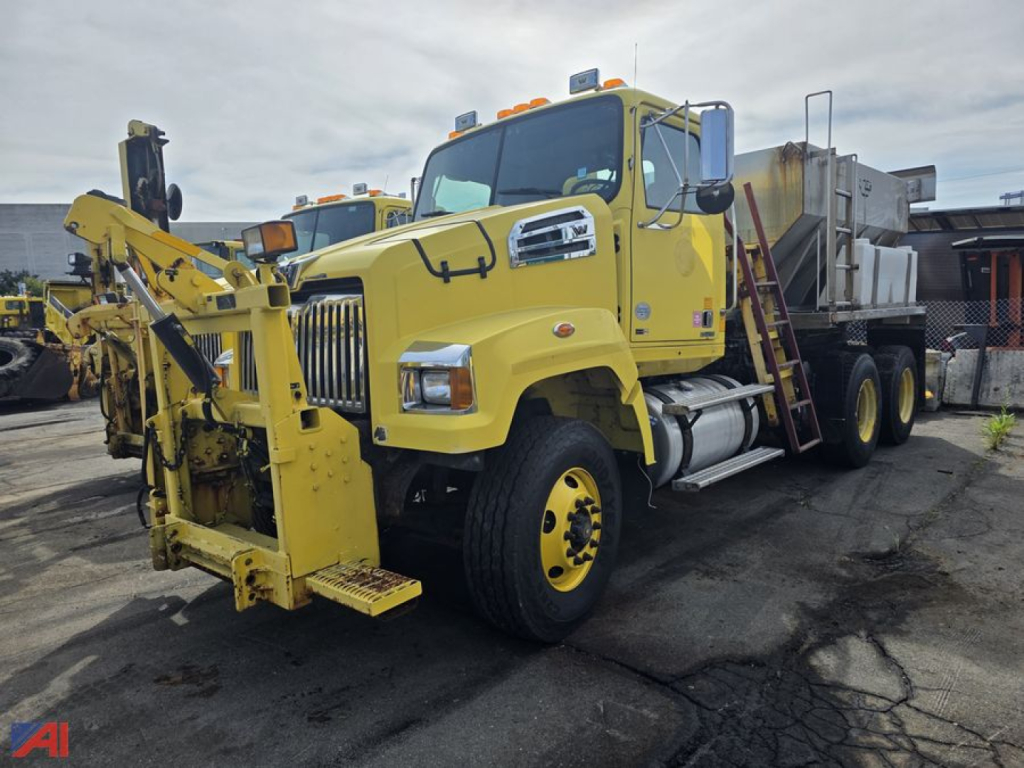
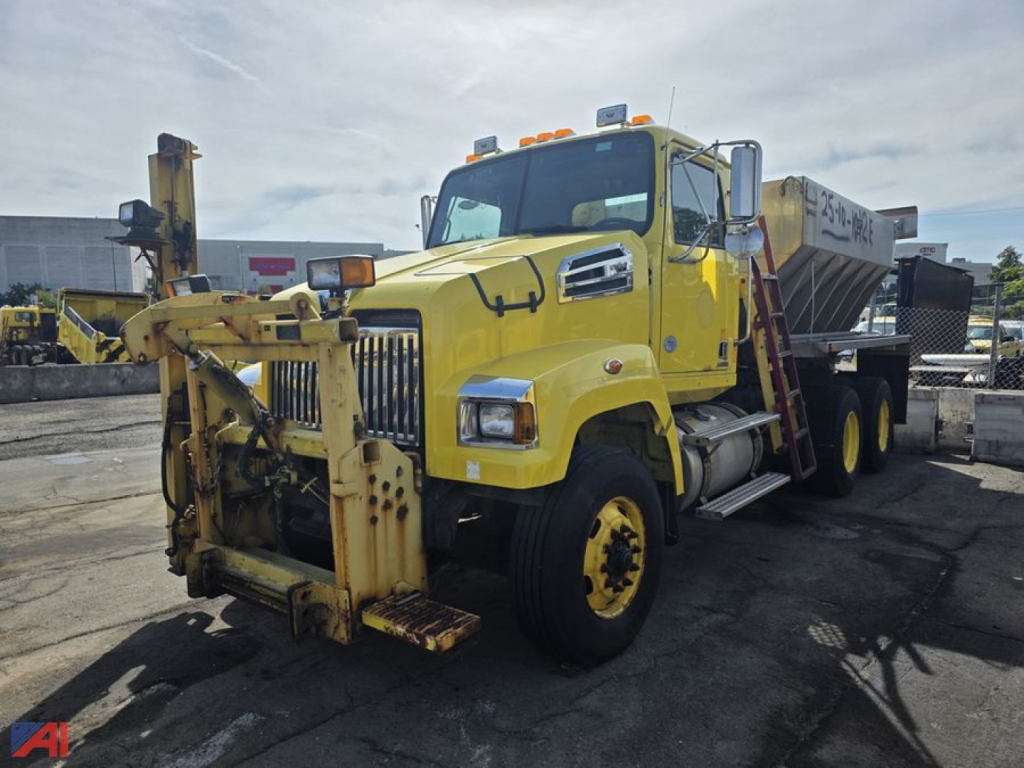
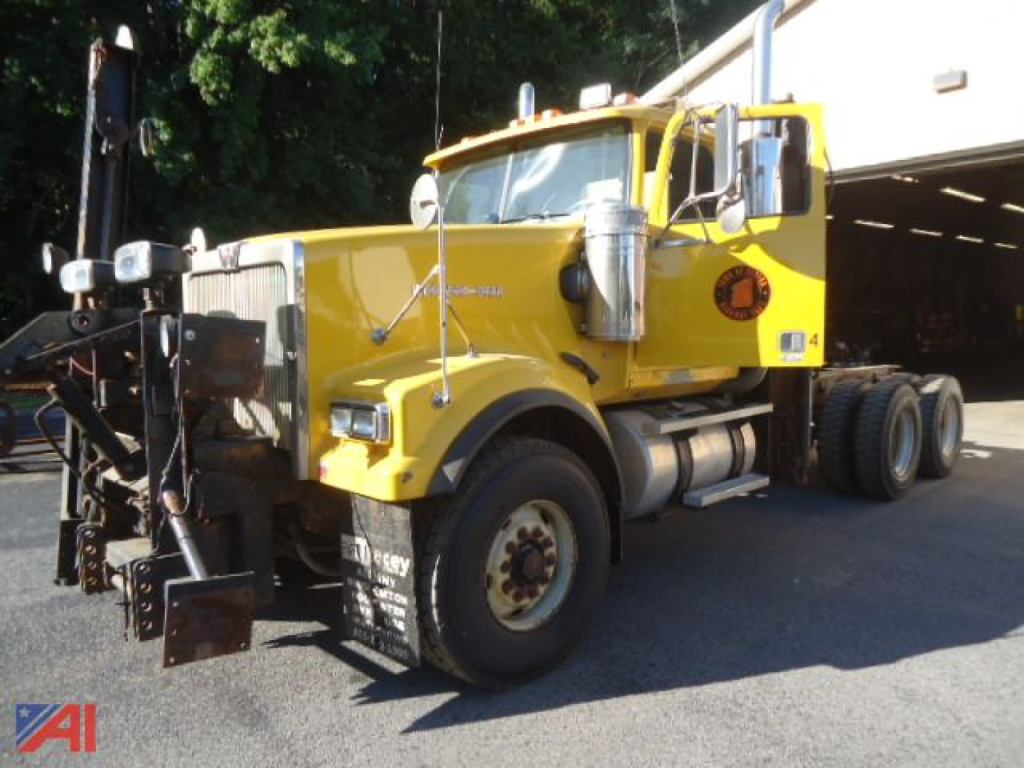

Have western star truck to sell? List it here to reach thousands of buyers.
Western Star Trucks in New York
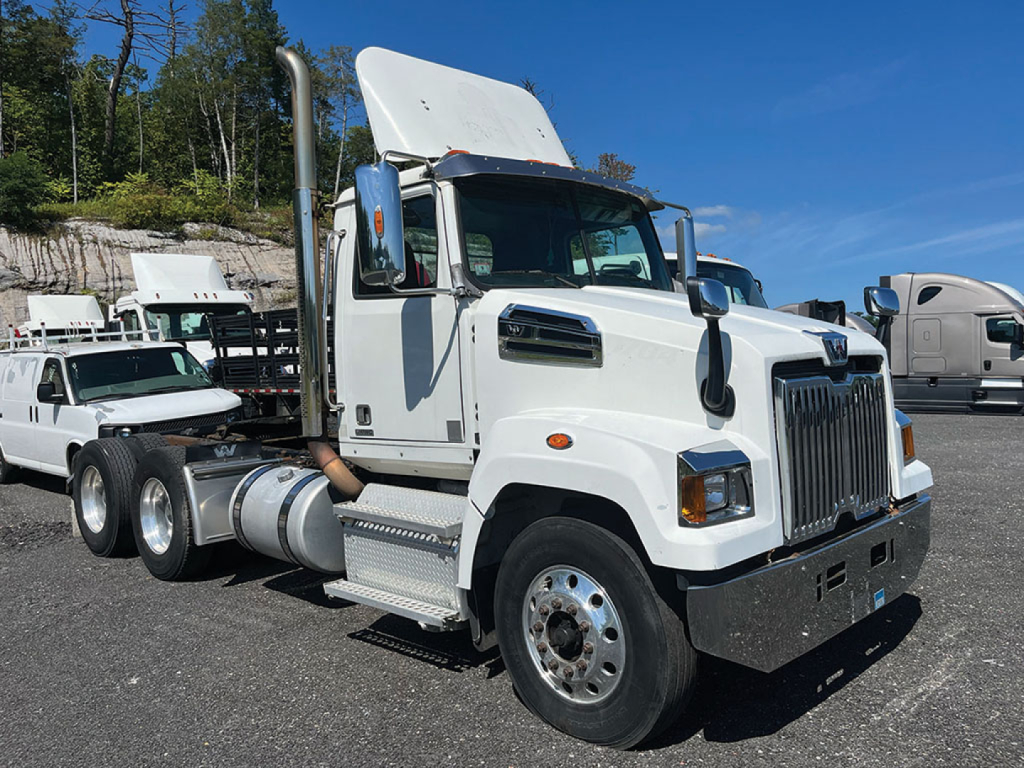
The first decision is usually application, not model year. For highway use, a sleeper-equipped Western Star often comes with tandem rear axles, 12,000- to 14,600-pound front axles, and 40,000- to 46,000-pound rears, paired with manual or automated transmissions and ratios chosen for the intended gross weight and cruise speed. Older trucks are frequently powered by Caterpillar, Detroit Diesel, or Cummins engines, while newer units commonly use Detroit powertrains. Buyers comparing listings should pay attention to horsepower and torque ratings, transmission model, suspension type, wheelbase, and kingpin to rear axle spacing, especially if the truck will pull different trailer lengths or operate under bridge and axle laws in the Northeast.
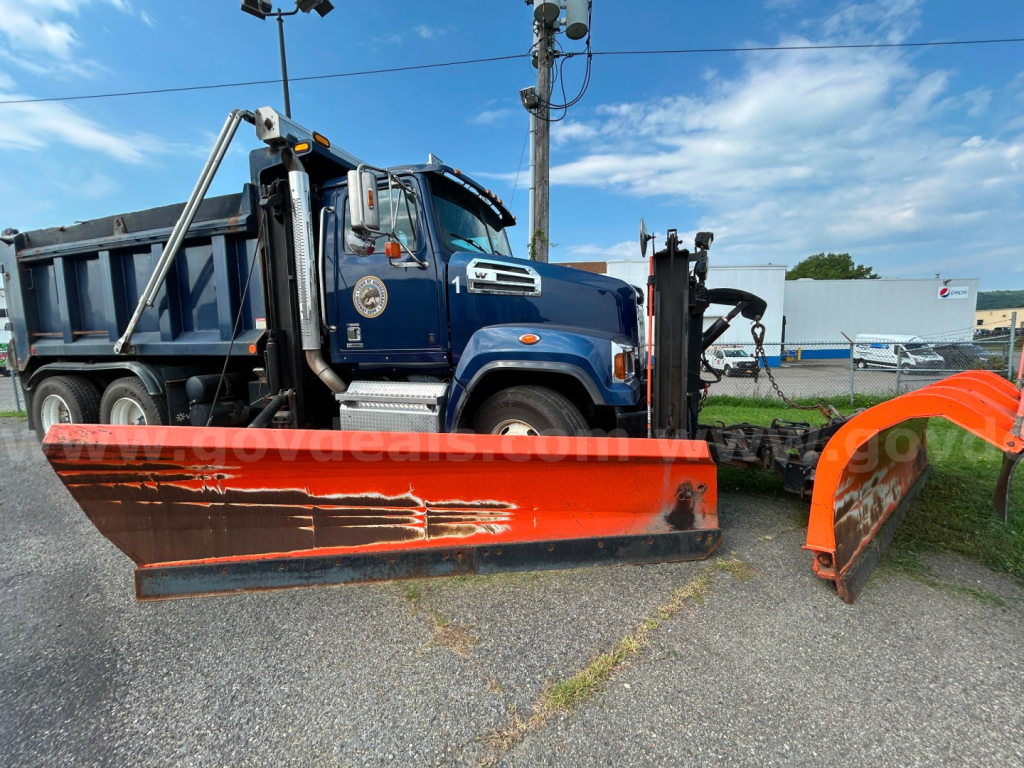
For vocational and severe-service work, Western Star has long been a strong choice because the platform can be spec'd for dump, mixer, winch, lowboy, logging, tanker, and heavy equipment hauling. Common details worth checking include double frame or single frame construction, locking differentials, power divider, front axle capacity, pusher or tag axle setup, PTO compatibility, and suspension design from Hendrickson, Chalmers, or factory air ride options. In used units, practical condition items matter as much as the major components. Brake wear, torque arms, suspension bushings, steering play, fifth wheel operation, corrosion around crossmembers, and cab mount condition can tell you a lot about how the truck was worked and maintained.
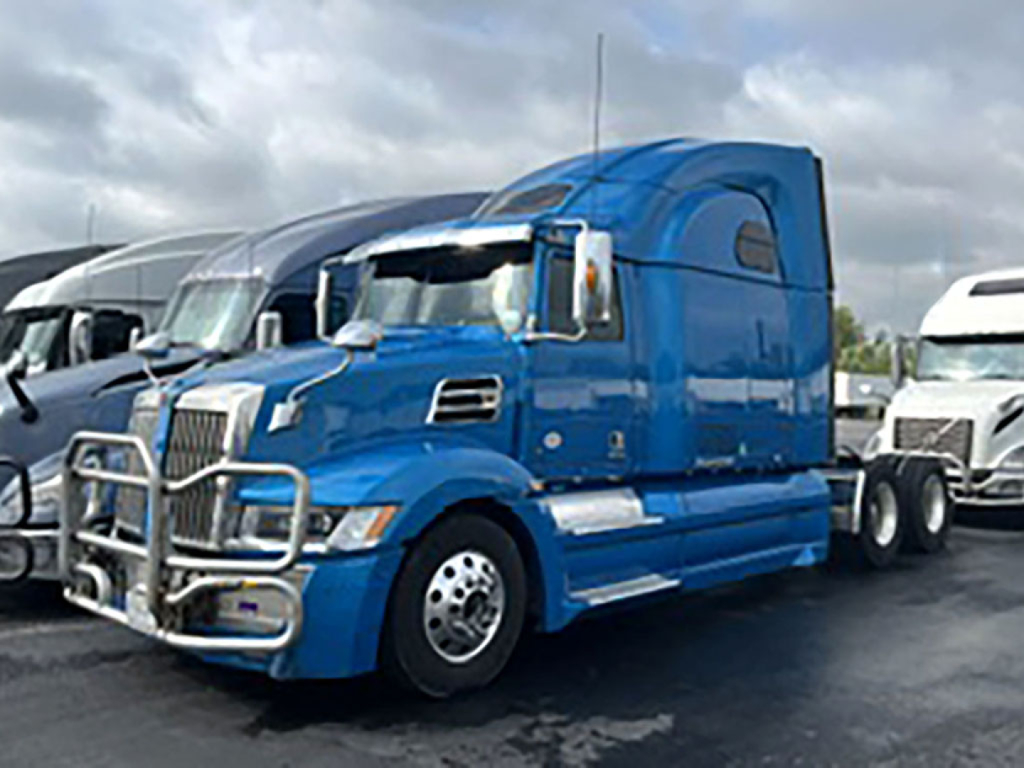
Cab layout is another reason many owner-operators and specialty fleets gravitate to Western Star. These trucks are known for roomy interiors, long-hood service access, and sleeper options that support regional or long-haul work. A used Western Star buyer should look closely at cab rust, HVAC performance, dash function, wiring quality for added accessories, and signs of frame modification if the truck changed jobs over its life. When the spec is right, a Western Star can be a durable platform for buyers who need a truck that feels purpose-built rather than standardized, especially in applications where axle ratings, frame integrity, and component choice directly affect uptime and payload.
Frequently Asked Questions about Western Star Trucks in New York
What are Western Star trucks best used for?
Western Star trucks are commonly used in heavy-duty highway and vocational applications where chassis strength and component flexibility matter. They are popular for sleeper service, heavy haul, dump work, tank, bulk hauling, lowboy operations, municipal work, and other severe-service jobs. Many buyers choose the brand because Western Star trucks are often spec'd with heavy front axles, durable frame rails, and driveline options suited to demanding loads and rougher operating environments.
Which specs matter most when comparing a used Western Star truck?
The most important specs depend on the job, but buyers usually start with engine make and rating, transmission type, axle capacities, rear ratio, wheelbase, suspension, and cab configuration. For a road tractor, it is also smart to verify fifth wheel setup, kingpin compatibility, and the relationship between wheelbase and trailer application. For vocational trucks, front axle rating, PTO readiness, frame construction, locking differentials, and suspension type can be more important than sleeper size or trim level.
Are older Western Star trucks with Caterpillar or Cummins engines still desirable?
Yes, many older Western Star trucks remain desirable because they were commonly spec'd with proven drivetrains such as Caterpillar C15, Cummins ISX, or Detroit Series 60 platforms, often paired with Fuller manual transmissions. These trucks appeal to buyers who want mechanical familiarity, strong aftermarket parts support, and a truck that can be repaired without relying on a fully integrated emissions-era system. The condition of the engine, transmission, rear ends, wiring, and maintenance history is still more important than brand preference alone.
What should a New York buyer check on a used Western Star truck?
A New York buyer should pay extra attention to corrosion, frame condition, air system health, suspension wear, and tire and brake condition because Northeast weather and road treatment can accelerate rust and component fatigue. It is also worth confirming axle spacing, wheelbase, and gross weight suitability for the intended routes and trailer combination. If the truck will work in urban areas or on state-regulated routes, maneuverability, bridge compliance, and front axle capacity should be reviewed before purchase.
Do Western Star trucks hold value in specialized applications?
Western Star trucks often hold value well in specialized applications because buyers actively seek certain specs that are harder to find in more generic fleet tractors. Heavy front axles, severe-service suspensions, long wheelbase layouts, premium sleepers, and owner-operator oriented configurations tend to maintain stronger demand when they are matched to the right job. Clean frames, documented maintenance, and an original or professionally modified chassis usually support resale better than heavily altered or poorly repaired trucks.