
2026 Western Star Trucks For Sale
Shop 2026 Western Star trucks, including 49X vocational and highway models, with specs on engines, axles, suspensions, sleepers, and drivetrains.
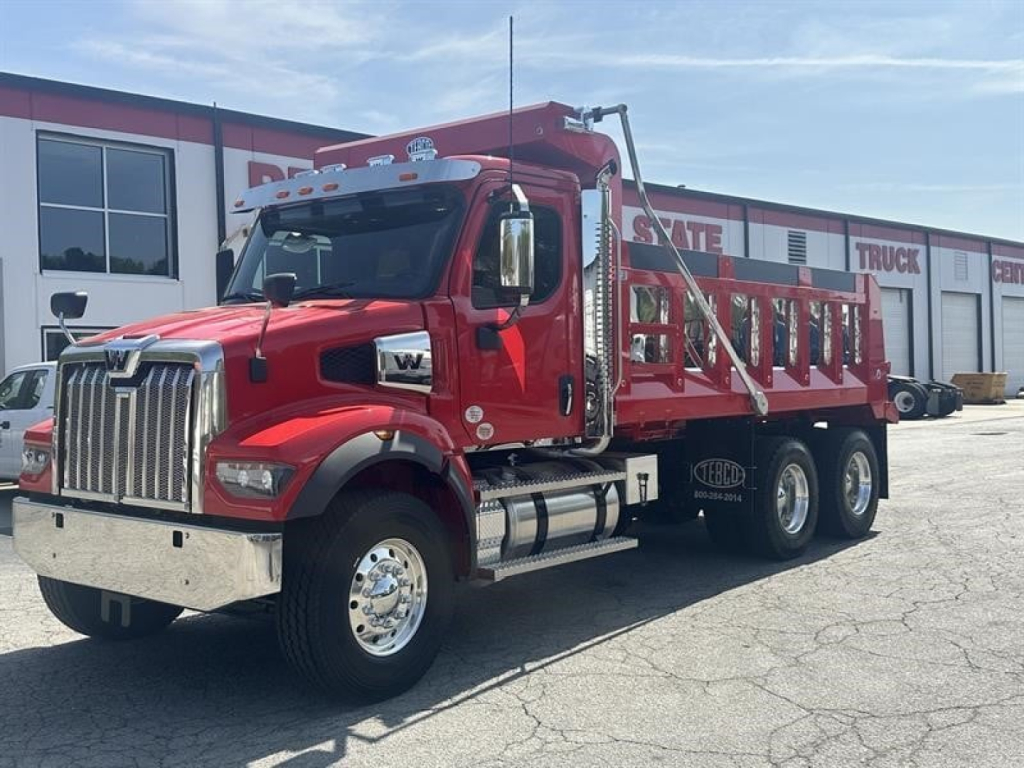
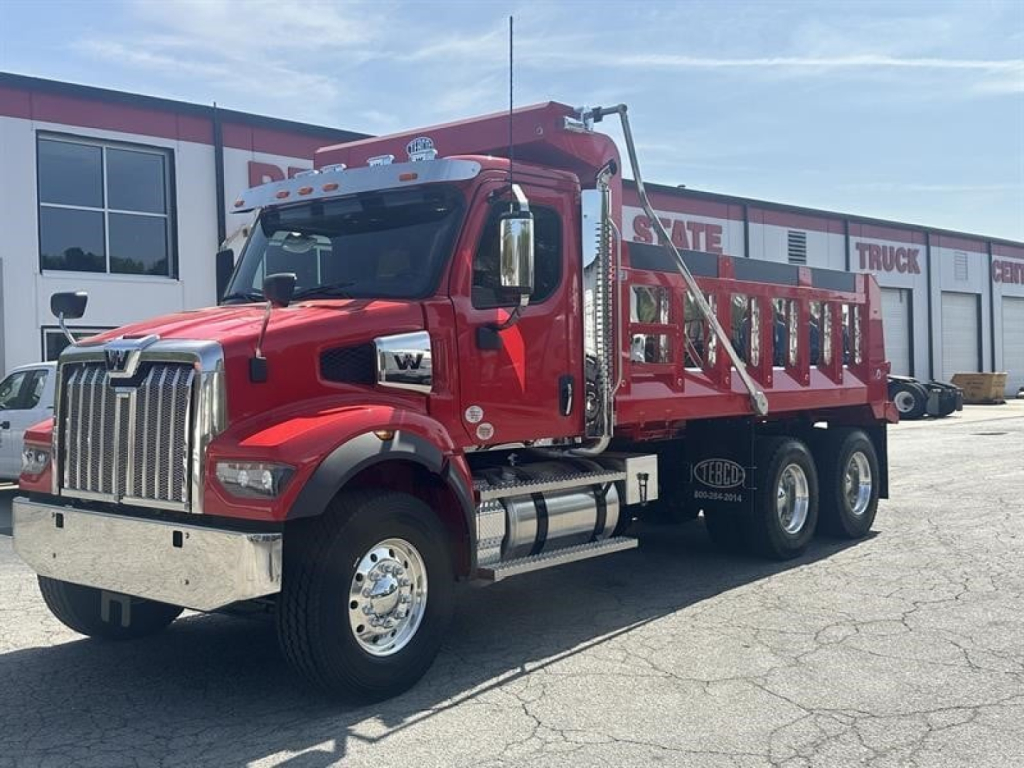
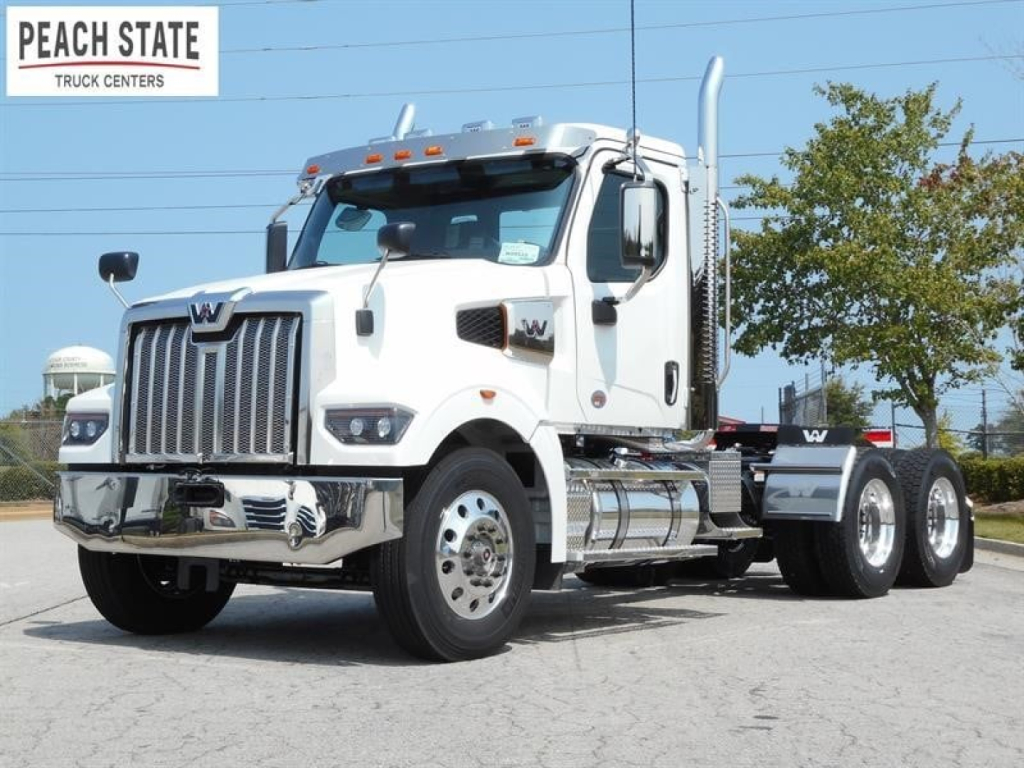
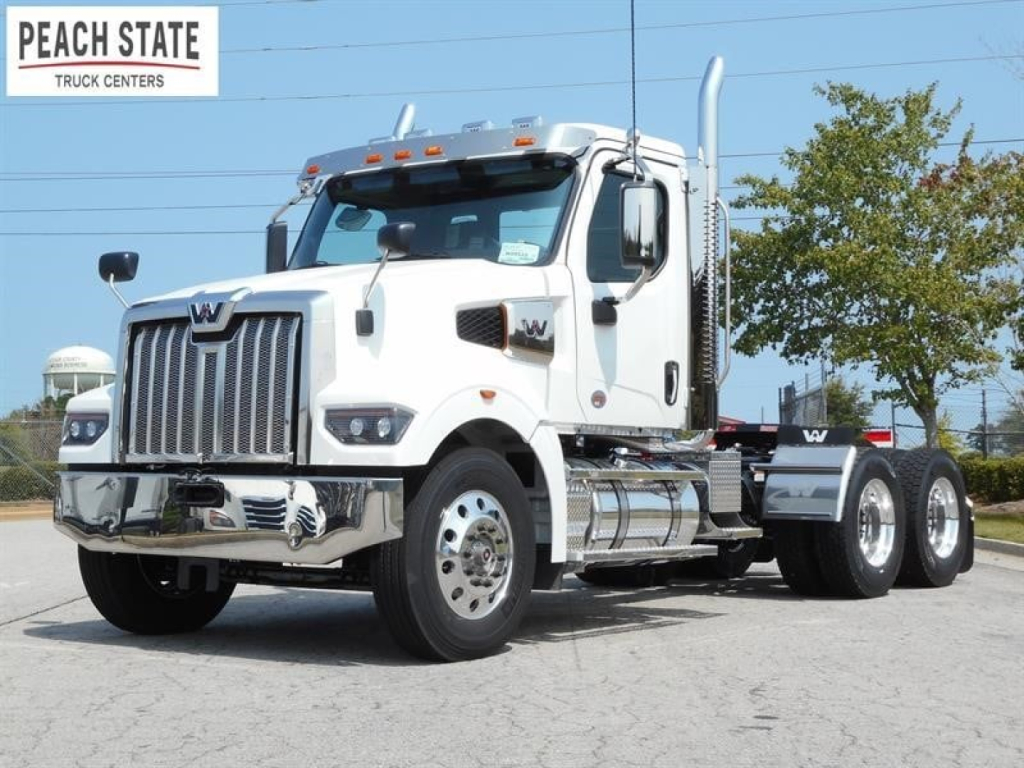
Showing 29 to 37 of 37 results
Selling a 2026 western star truck? List your 2026 western star truck for sale and reach thousands of commercial buyers.
2026 Western Star Trucks
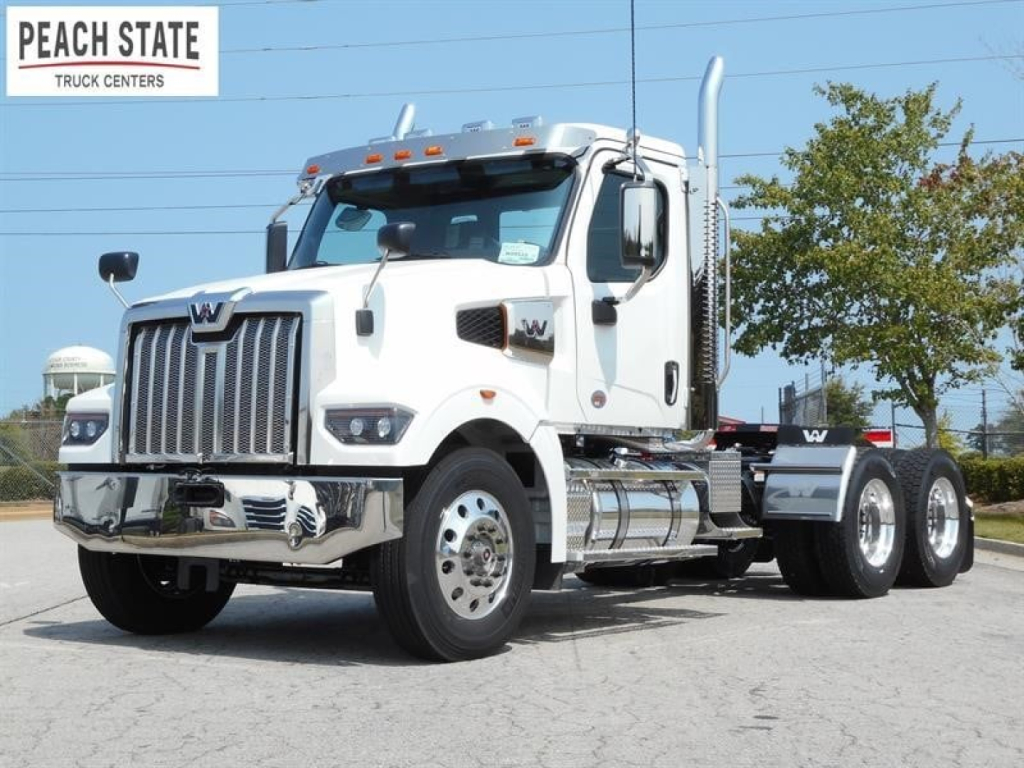
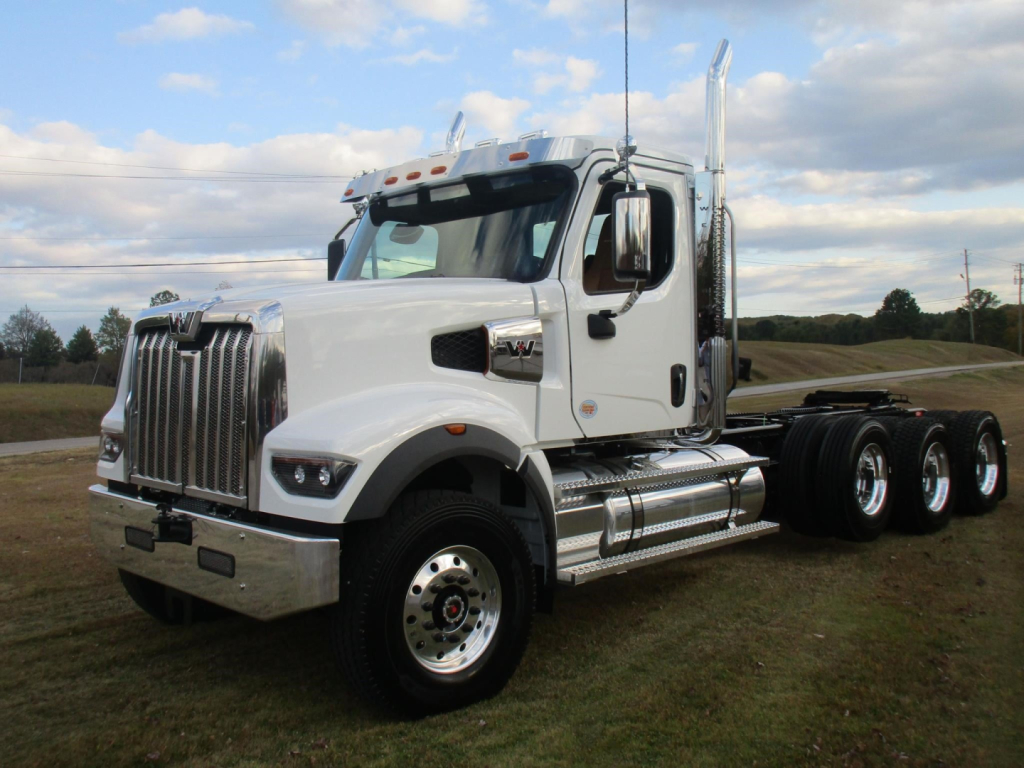
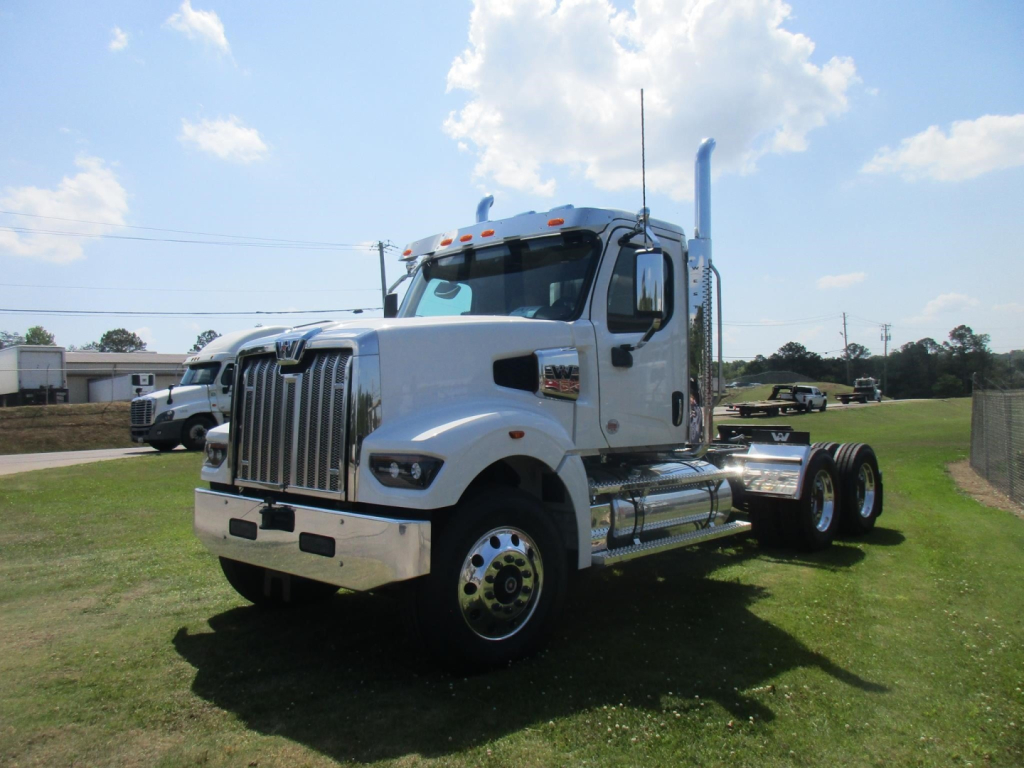
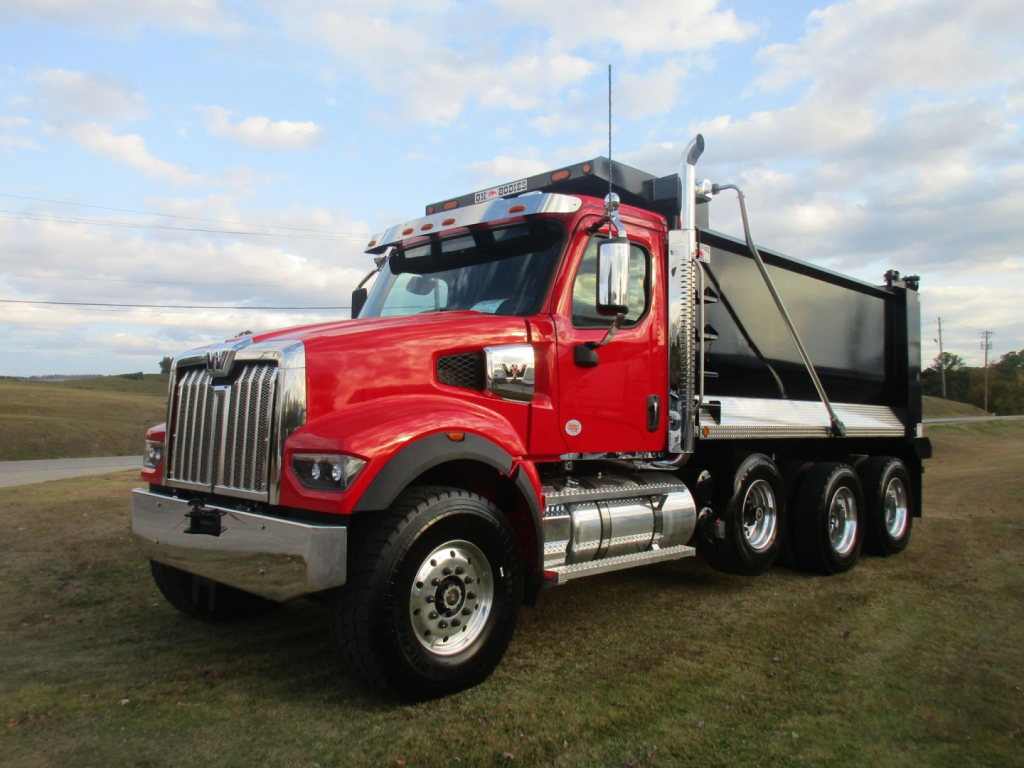
The first decision is usually application and axle layout. A 6x4 tandem day cab or sleeper is a common fit for regional haul, dedicated freight, and general tractor work, while tri-axle dump configurations are aimed at construction, aggregate, and municipal jobs. Buyers should pay close attention to front axle ratings, rear axle capacity, wheelbase, and suspension type because those specs determine bridge compliance, body compatibility, and maneuverability on the jobsite or at the dock. Air ride suspension is common on highway-oriented tractors for ride quality and freight protection, while spring suspension still shows up on dump and severe-duty trucks where durability and stability under load matter more. Wheelbase also matters more than many buyers expect because it affects body length, turning radius, and how the truck balances steer axle and drive axle weights.
Powertrain choices on 2026 Western Star trucks typically revolve around Detroit and Cummins engines in horsepower bands suited for both linehaul and vocational work. A Detroit DD15 paired with a DT12 automated manual transmission is a common highway specification, especially in day cabs and raised-roof sleepers where fuel efficiency, driver familiarity, and integrated powertrain controls are priorities. On heavier vocational trucks, Cummins X15 engines and Allison automatic transmissions are common where low-speed control, PTO compatibility, and stop-and-go performance are important. Buyers comparing sleepers should look beyond roof height and focus on sleeper length, bunk count, APU presence, fuel capacity, and fifth wheel type. A raised-roof 72-inch sleeper with a sliding fifth wheel fits a very different operation than a short-wheelbase day cab built for local or regional work.
Western Star is also known for durable interiors, stout chassis components, and trim levels that appeal to owner-operators as well as vocational fleets. On newer trucks, collision mitigation systems, automated transmissions, aluminum wheels, and high-output diesel engines are increasingly common. The smartest way to evaluate this category is to match the truck to the exact duty cycle: dump, linehaul, heavy regional, or dedicated vocational use. Look closely at rear axle ratio, frame specifications, steering axle capacity, transmission programming, and any upfit-related details such as body material, PTO setup, or fifth wheel configuration. A well-spec'd 2026 Western Star truck can deliver long service life, strong resale appeal, and the kind of chassis flexibility that matters when the job changes over time.
Frequently Asked Questions about 2026 Western Star Trucks
What are the most common 2026 Western Star truck configurations?
The most common 2026 Western Star truck configurations include day cabs, conventional sleepers, and vocational chassis such as dump truck setups. The 49X is one of the most common platforms because it can be spec'd for highway tractor work or severe-duty applications. Tandem axle 6x4 tractors are typical for freight hauling, while tri-axle configurations are common in construction and material hauling. The right configuration depends on payload, body type, bridge laws, and how much maneuverability the operation requires.
Which engines and transmissions are common in 2026 Western Star trucks?
Detroit DD15 and Cummins X15 engines are common in 2026 Western Star trucks, depending on whether the truck is built for highway or vocational service. On-road tractors often use the Detroit DT12 automated manual transmission because it integrates well with Detroit powertrains and supports fuel-efficient operation. Vocational trucks frequently use Allison automatic transmissions for smoother low-speed control, easier PTO operation, and better performance in stop-and-go work. Buyers should match horsepower, torque, transmission type, and axle ratio to the intended duty cycle instead of choosing by horsepower alone.
What should I look for when buying a 2026 Western Star dump truck?
A buyer comparing a 2026 Western Star dump truck should focus on front axle rating, rear axle capacity, suspension type, frame strength, wheelbase, and transmission choice. A dump application usually benefits from a heavier steer axle, robust rear suspension, and an automatic transmission that handles repeated starts and PTO work well. Body composition also matters because steel bodies are common for abrasive materials and severe-duty use. It is also important to verify local weight laws and make sure the axle spread and overall spec support the payload target without creating steer axle issues.
How do I choose between a Western Star day cab and sleeper?
A Western Star day cab is generally the better fit for local, port, drayage, and regional operations where overnight accommodations are not needed and a shorter wheelbase improves maneuverability. A sleeper is better suited for long-haul, team driving, or irregular routes that require off-duty rest in the truck. When comparing sleepers, buyers should evaluate sleeper size, number of bunks, storage, APU equipment, fuel capacity, and fifth wheel placement. Those details affect driver comfort, legal compliance, and total operating efficiency more than the roof profile alone.
Are 2026 Western Star trucks good for both highway and vocational use?
Yes. One of the main strengths of the 2026 Western Star lineup is that it covers both highway and vocational applications with the same basic brand identity of durability and heavy-duty chassis design. A highway-spec truck may use air ride suspension, aerodynamic trim, and an AMT for fuel economy and driver comfort, while a vocational spec may use spring suspension, heavier axle ratings, and an automatic transmission for jobsite performance. The key is to review the exact specifications because Western Star trucks can look similar at a glance while being built for very different work.