
Commercial Trucks For Sale Near West Palm Beach, Florida
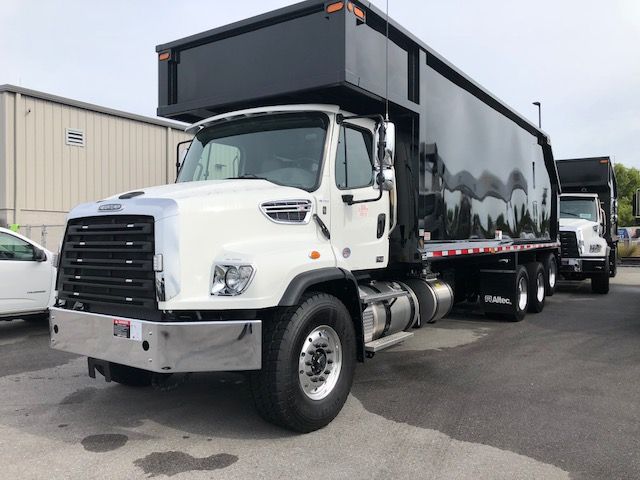
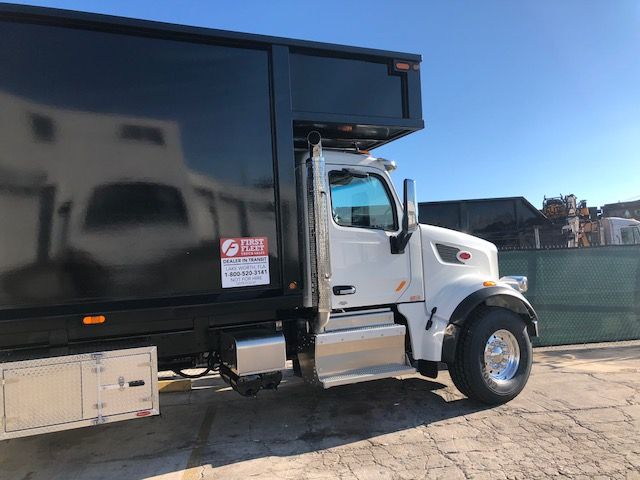


Have commercial truck to sell? List it here to reach thousands of buyers.
Commercial Trucks Near West Palm Beach, Florida
For buyers comparing commercial trucks, the key spec decisions usually start with axle configuration, engine rating, transmission type, and body equipment. Medium-duty platforms such as the Ford F-450 are often used for lighter service applications, fleet support, and contractor work where maneuverability and lower operating cost are priorities. Heavier models like the International 7400, Freightliner 114SD, and Peterbilt 388 are typically chosen for vocational work that demands stronger frames, higher GVWR, heavier suspensions, and more hydraulic capability. Tandem and tri-axle trucks are common in grapple and waste applications because they support larger dump bodies, loader installations, and higher legal payloads. Engines in this class often range from mid-displacement diesels up to 500-plus horsepower severe-duty specs, paired with manual, automated, or full automatic transmissions depending on route conditions and driver preference.
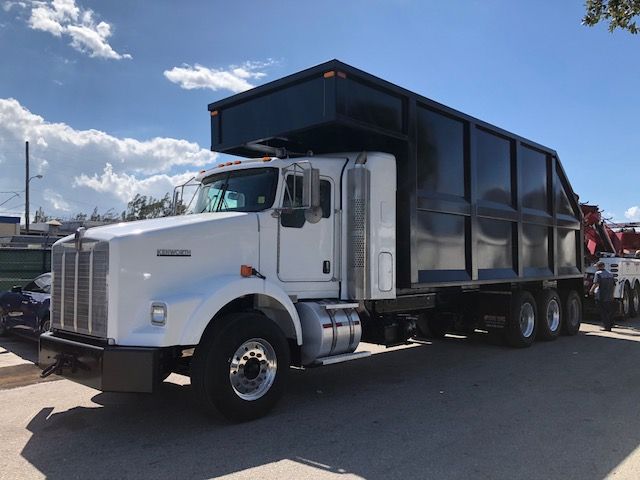
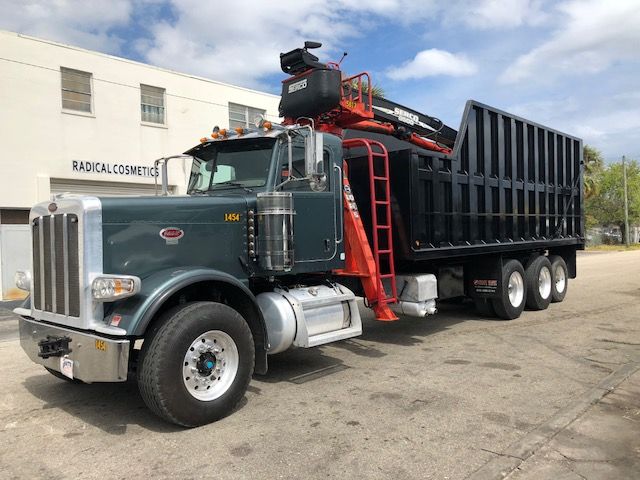
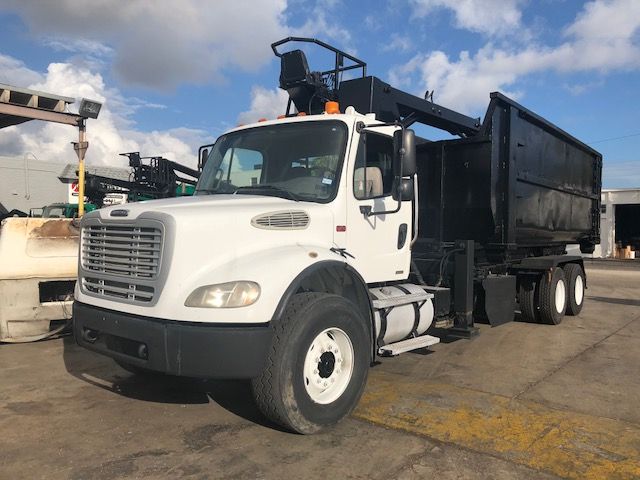
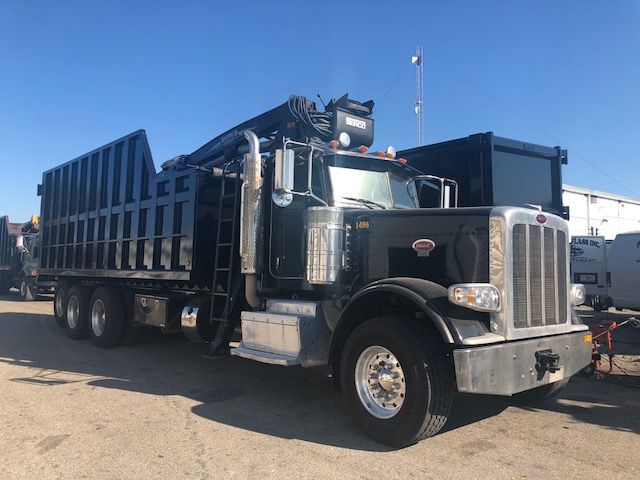
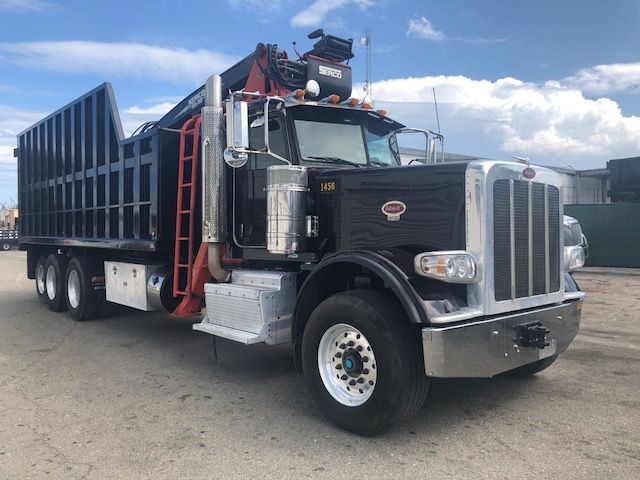
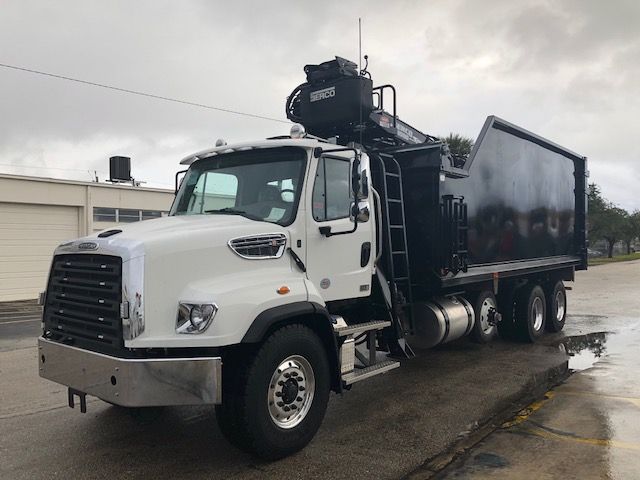
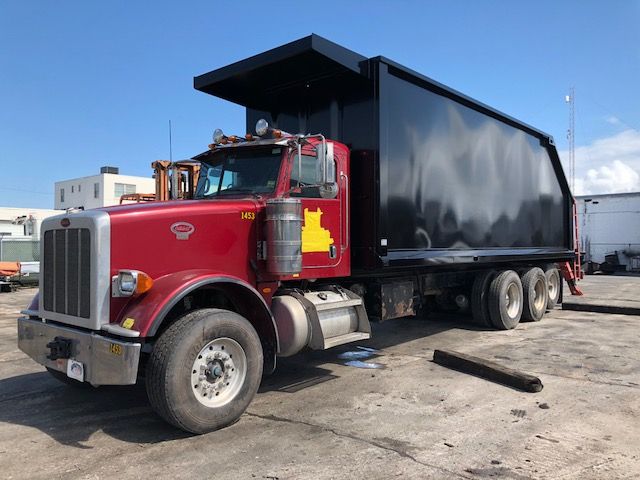
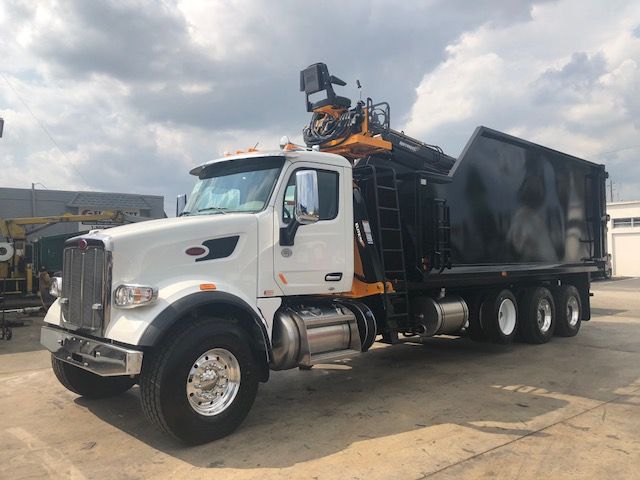
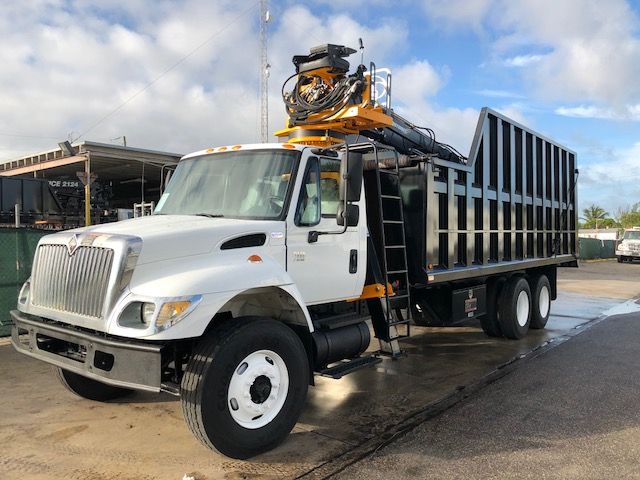
Grapple trucks are one of the more specialized truck types seen in this market. Also known as trash grapple trucks, waste grapple trucks, or debris loader trucks, they are commonly built with knuckleboom loaders from brands such as Rotobec and Serco, combined with high-capacity dump bodies that may reach 50 yards in some configurations. Buyers should pay close attention to loader model, boom reach, grapple size, frame reinforcement, PTO and hydraulic setup, and body material such as Hardox or other abrasion-resistant steel. Rear hitches, extended booms, all-wheel-drive configurations, and axle additions can make a major difference depending on whether the truck will be used for storm cleanup, land clearing, construction debris, or municipal collection. Loader hour meter readings, turntable condition, outrigger wear, and cylinder leakage deserve the same level of scrutiny as engine and drivetrain condition.
The best truck choice depends on how the chassis, body, and upfit work together under real operating conditions. A buyer evaluating trucks in West Palm Beach should consider bridge-law and local route requirements, turning radius in dense urban areas, PTO compatibility, cab layout, brake type, suspension spec, and parts support for both the base truck and the mounted equipment. For used vocational trucks, service history on hydraulic components, hoists, suspension, and emissions systems can be just as important as mileage. Matching the truck to the job, not just the headline horsepower or body size, is what determines long-term uptime and cost per hour.
Frequently Asked Questions about Commercial Trucks Near West Palm Beach, Florida
What types of trucks are commonly found for sale in West Palm Beach, Florida?
The West Palm Beach market commonly includes medium-duty and heavy-duty commercial trucks such as chassis cabs, service trucks, utility trucks, dump trucks, and specialized vocational units like grapple trucks. Buyers often see tandem and tri-axle configurations for debris, waste, and construction applications, along with lighter 4x2 work trucks for contractor and municipal support roles. The local market tends to favor equipment that can handle heat, humidity, stop-and-go work, and PTO-driven body systems.
What should I look for when buying a used grapple truck?
A used grapple truck should be evaluated as both a chassis and a hydraulic machine. Key inspection points include loader brand and model, boom reach, grapple condition, turntable wear, outrigger function, hydraulic leaks, PTO engagement, dump hoist operation, and body floor or sidewall wear. On the chassis side, buyers should review axle ratings, frame condition, transmission type, engine hours if available, suspension wear, brake condition, and any signs of heavy off-road or overload use. Loader hours and maintenance records can be as important as mileage.
Is a tandem axle or tri-axle truck better for vocational work?
The better choice depends on payload, body size, and legal weight requirements. Tandem axle trucks are often simpler and may cost less to maintain, while tri-axle trucks are favored for heavier payloads, larger dump bodies, and applications that benefit from additional axle capacity and weight distribution. In grapple, waste, and debris hauling service, a tri-axle setup can provide meaningful advantages in stability and legal hauling capacity, but it also adds complexity, tire expense, and potential maintenance cost.
Why do transmission choice and PTO setup matter on commercial trucks?
Transmission and PTO compatibility directly affect how well a truck performs in vocational service. Manual transmissions such as an 8LL are still valued in some severe-duty applications for control and durability, while automatic and automated transmissions can improve ease of operation in stop-and-go routes. The PTO setup must match the hydraulic demands of the body and mounted equipment, especially on grapple trucks and service trucks running loaders, cranes, or hoists. A mismatch can lead to poor cycle times, overheating, or reduced hydraulic performance.
How important is body material on dump and grapple trucks?
Body material matters because it directly affects durability, tare weight, and resistance to abrasion. Trucks used in waste, scrap, storm debris, and demolition often benefit from abrasion-resistant materials such as Hardox for longer floor and sidewall life. A stronger body can reduce damage from repeated loading cycles and rough material, but buyers should also consider repair costs and the effect of heavier construction on payload. The right body spec depends on what the truck hauls every day, not just the advertised yard capacity.