
Trucks For Sale Near West Nyack, New York
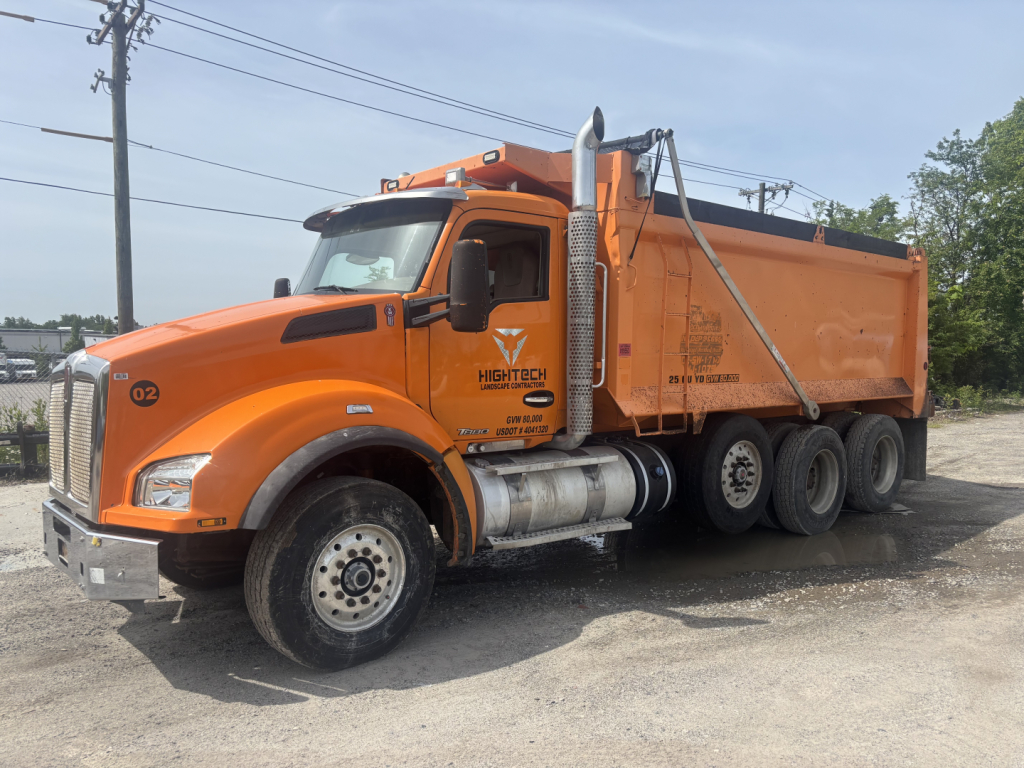
Browse trucks for sale in West Nyack, New York, including dump, tow, utility, fire, and medium-duty commercial truck types.
Learn more
Showing 25 to 26 of 26 results
Have truck to sell? List it here to reach thousands of buyers.
About Trucks Near West Nyack, New York
On vocational trucks, chassis specs drive long-term usability and operating cost. Dump trucks often center around GVWR, axle layout, suspension, frame strength, hoist setup, and box material, with steel bodies preferred for demolition, aggregate, and abrasive loads. Tow trucks and wreckers should be evaluated around boom or wheel-lift capacity, winch condition, carrier or recovery equipment, and rear axle ratings. Service and utility trucks are commonly chosen based on body compartment layout, payload, engine type, and whether the truck will spend more time idling on job sites or running highway miles between calls. Medium-duty models from Ford, Hino, Chevrolet, and similar platforms are common when buyers need easier maneuverability and lower acquisition cost than a Class 8 truck.
Powertrain choices vary widely in this category. Buyers will find gasoline engines on some lighter service trucks, while diesel remains standard on heavier tow, dump, and municipal units where torque, durability, and PTO integration matter. Transmission selection should match duty cycle. Automatic and automated transmissions simplify stop-and-go work, while certain fleets still prefer manual gearboxes for driver control and service familiarity. On used trucks, pay close attention to brake condition, tire size, lift axles, double-frame construction, engine brake operation, and any evidence of rust on cab mounts, crossmembers, dump subframes, utility bodies, or recovery equipment. In the Northeast, corrosion history is a major buying factor, especially on municipal and surplus trucks.
West Nyack sits in a market where regional work can range from local delivery and roadside service to site construction and public sector duty, so versatility matters. A buyer comparing trucks in this class should look closely at wheelbase, turning radius, bridge-law implications, and body upfit compatibility, especially if the truck may be reassigned later. Clear service records, PTO function, hydraulic performance, and evidence that the truck has been matched properly to its body are often more important than appearance alone. A well-spec'd used truck can be a strong value if the chassis, drivetrain, and vocational equipment are aligned with the job.
Frequently Asked Questions
What should I look at first when comparing used trucks for sale?
Start with the truck’s intended job, then verify that the chassis and body are matched to that application. Key points include GVWR, axle configuration, wheelbase, engine and transmission type, PTO capability, and body equipment condition. A dump truck, wrecker, utility body, and fire truck all have very different operating demands, so the right choice depends on payload, duty cycle, and how the truck will be used day to day.
Are diesel trucks always better than gasoline trucks in this category?
Not always. Diesel is typically preferred for heavier vocational trucks because it delivers stronger low-end torque, better durability under load, and easier integration with PTO-driven equipment. Gasoline engines can still make sense on lighter service or utility trucks where annual miles are lower, payload demands are modest, and buyers want lower initial cost or simpler maintenance. The best engine choice depends on the truck’s weight class and work pattern.
Why is rust and corrosion such an important issue on used trucks in New York?
Road salt, snow exposure, and municipal winter service can accelerate corrosion on frames, brake lines, wiring, body mounts, and hydraulic components. In New York and the broader Northeast, rust can affect structural integrity, safety inspections, and long-term repair cost. Buyers should inspect cab corners, frame rails, spring hangers, dump bodies, utility compartments, tow assemblies, and underbody crossmembers carefully before purchase.
What matters most on a used dump truck?
The most important factors are frame condition, axle ratings, suspension, hoist performance, box material, and overall hydraulic health. Buyers should also confirm whether the truck has a lift axle, double frame, engine brake, and the right tire and brake setup for its payload target. A dump truck can look acceptable cosmetically and still have expensive issues in the hoist, body floor, trunnions, or frame if it has been overloaded or poorly maintained.
How do I evaluate a used tow truck or wrecker?
Focus on the recovery equipment as much as the chassis. Check the wheel lift, boom, winches, hydraulic lines, PTO engagement, rear structure, and control operation under load if possible. Also confirm axle ratings, wheelbase, brake condition, and any signs of frame stress or previous repairs. A tow truck that runs well but has weak hydraulic performance or worn recovery components can require major investment after purchase.