
Commercial Trucks For Sale Near Webster, New York
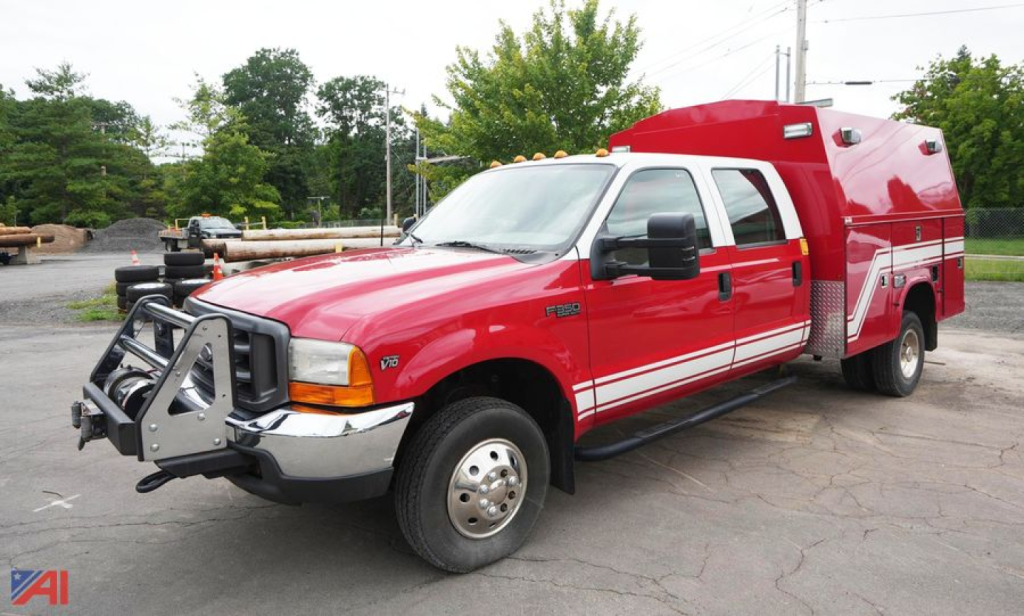
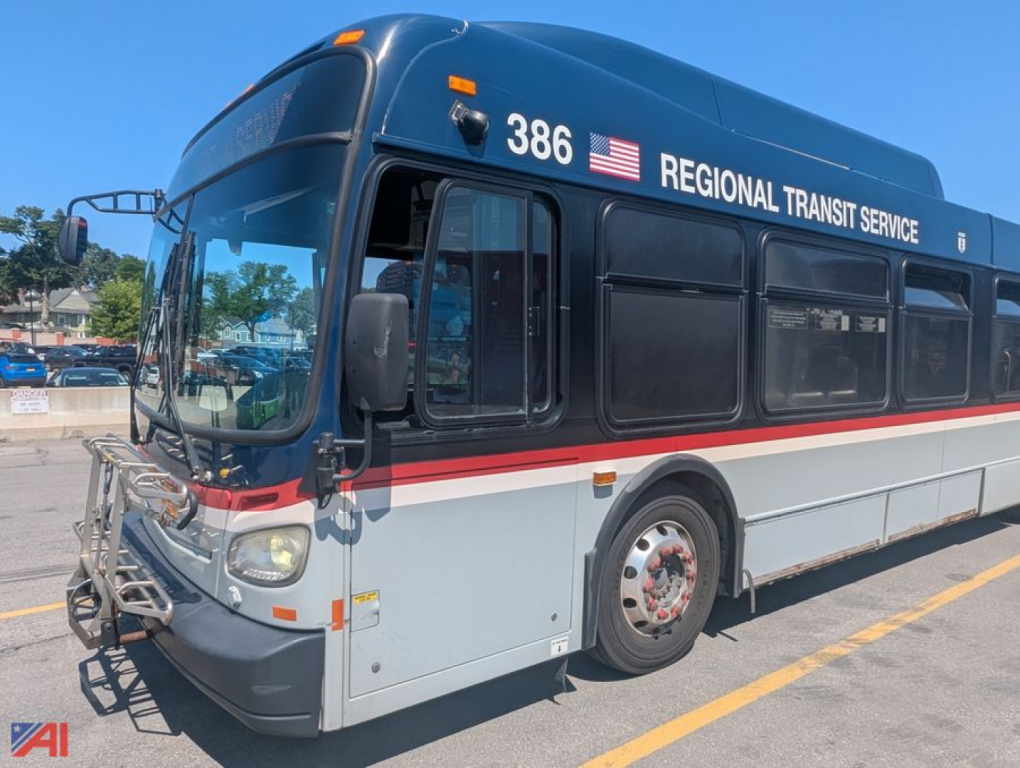
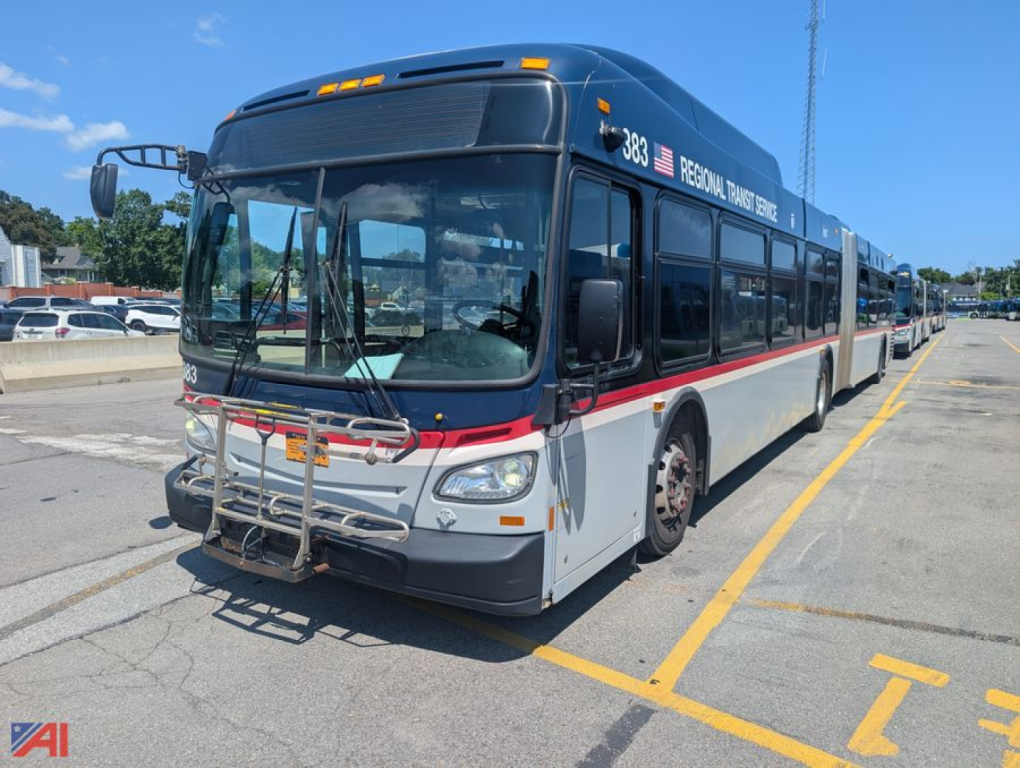
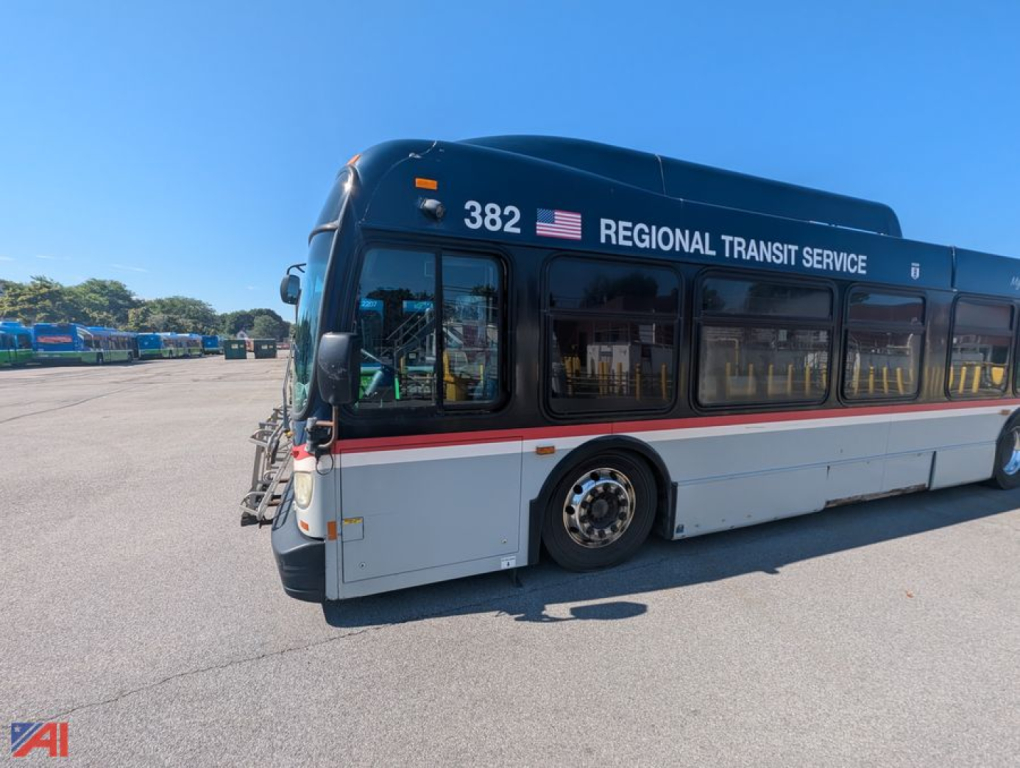
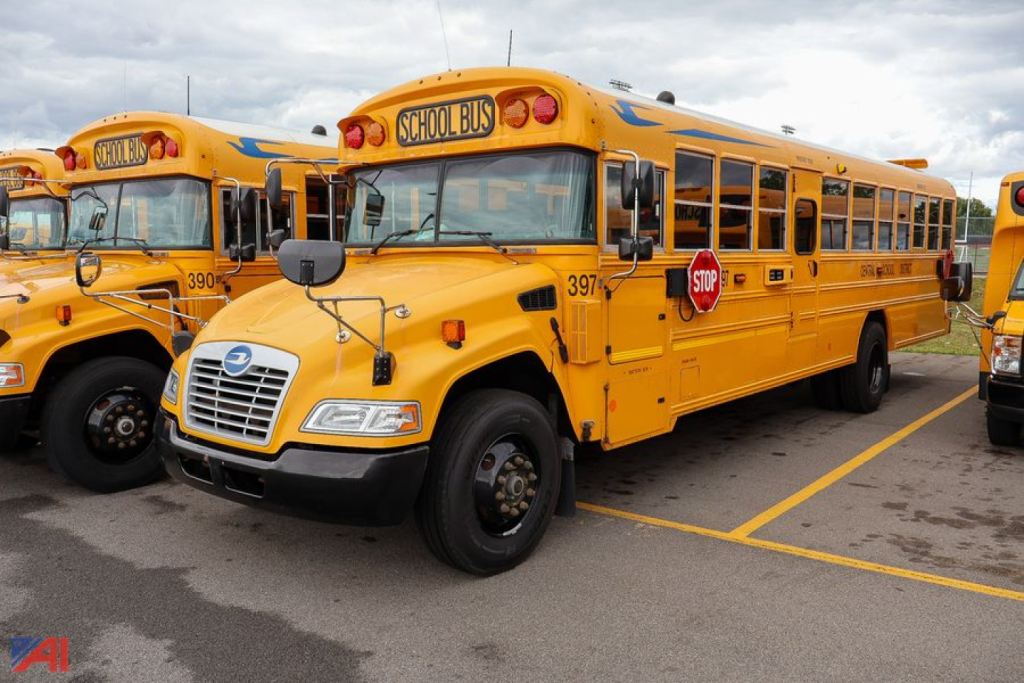
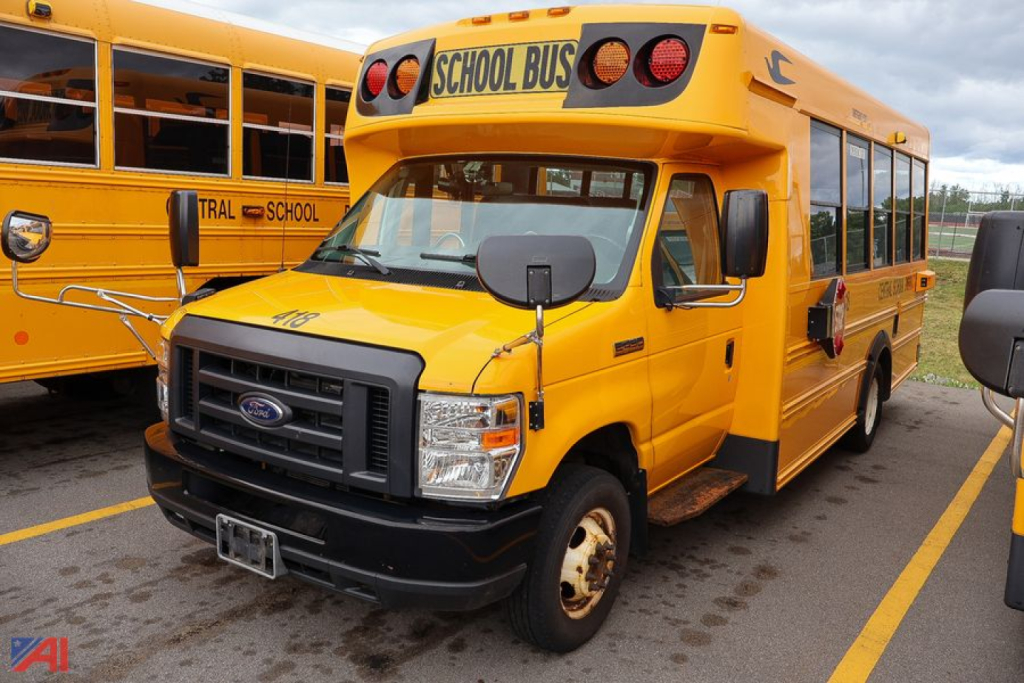
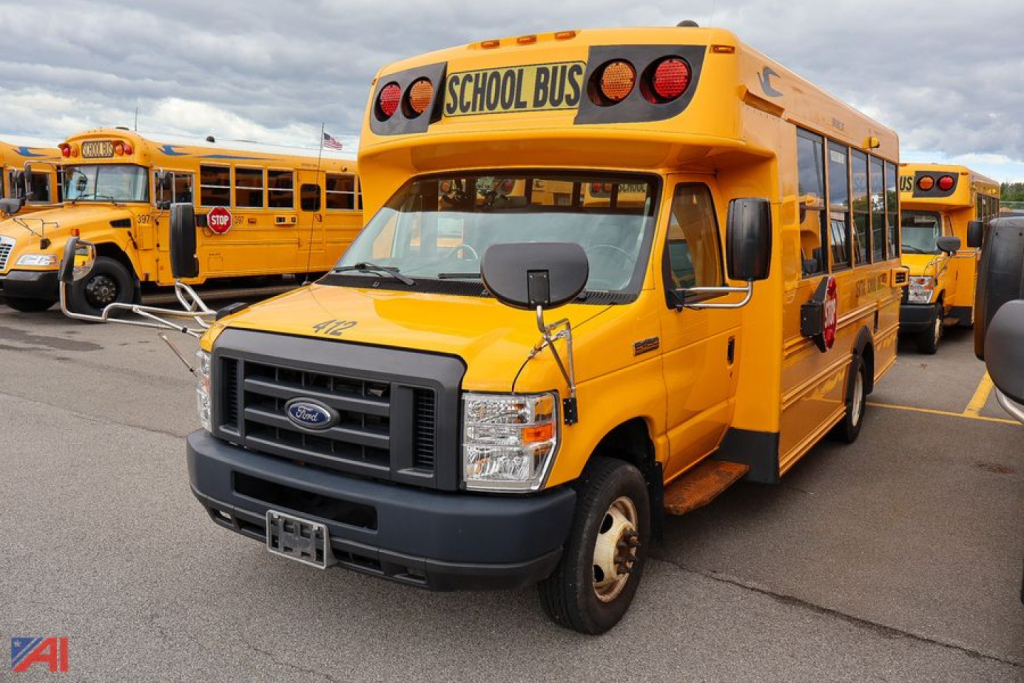

Have commercial truck to sell? List it here to reach thousands of buyers.
Commercial Trucks Near Webster, New York
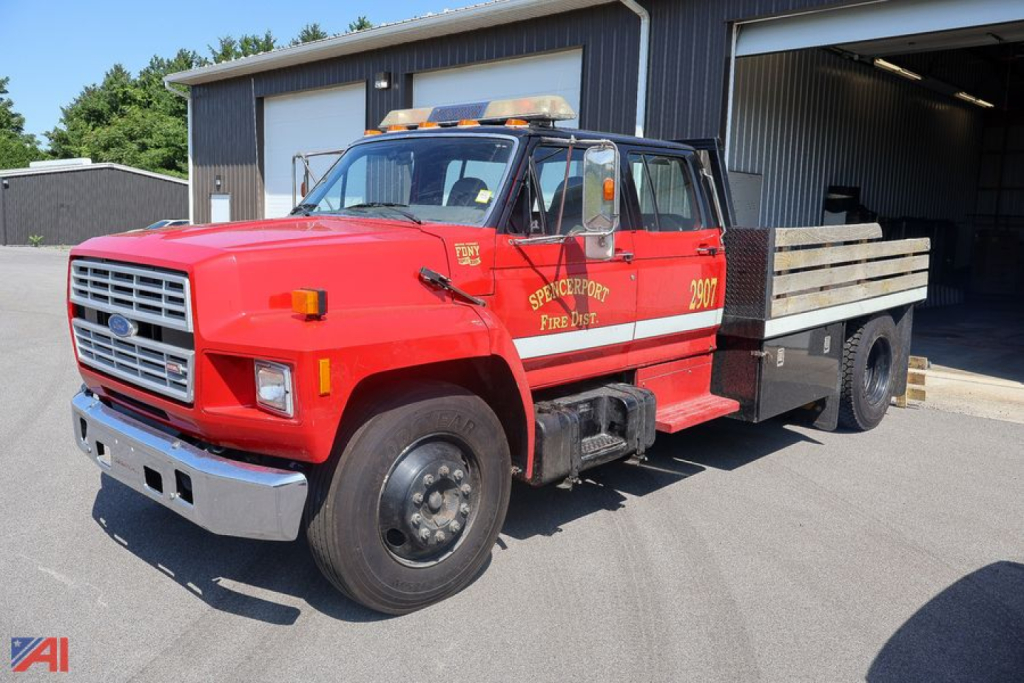
Body type drives value as much as the chassis. A stake truck, also known as a stake bed truck, is useful when side access and quick loading matter more than enclosed cargo security. Other trucks in this category may include box trucks, service trucks, dump trucks, flatbeds, or cab and chassis units ready for upfitting. Buyers comparing used commercial trucks should pay close attention to frame condition, rust at crossmembers and spring hangers, brake system type, tire date codes, hydraulic function if equipped, and signs of hard seasonal use. In upstate New York, corrosion exposure from road salt can be a bigger issue than engine hours alone.
Powertrain selection depends on route, payload, and maintenance capability. Diesel engines remain standard in many medium-duty and heavy vocational trucks because of torque output and durability under load, while gas engines can make sense for lighter local work with simpler emissions requirements. Automatic transmissions dominate most fleet and municipal applications, but PTO compatibility, rear axle ratio, and suspension rating still matter if the truck will carry tools, equipment, or bulk materials. Cab configuration is another practical filter, especially when a crew cab, extended cab, or low-entry design affects staffing and access.
A good truck purchase is usually a spec decision before it is a price decision. Buyers should compare wheelbase to body length, verify door and lift clearances for the intended route, and confirm that registration, CDL, and bridge-law considerations line up with actual operating plans. Service history, idle hours, and the condition of wear items often tell more than model year by itself. On used trucks, the best fit is the unit that meets payload and body requirements without forcing unnecessary maintenance complexity or capacity that will never be used.
Frequently Asked Questions about Commercial Trucks Near Webster, New York
What should I look at first when comparing used trucks for sale?
Start with the truck’s intended job, then confirm GVWR, body type, wheelbase, axle rating, and powertrain. A truck that is priced well but mismatched on payload, body length, or suspension capacity can become expensive quickly. After the core spec, inspect frame and underbody condition, brake and tire wear, hydraulic or PTO operation if equipped, and any signs of corrosion or previous hard fleet service.
What is the difference between a stake truck and a box truck?
A stake truck uses an open platform body with removable or fixed side rails, which makes it easier to load from the side and handle bulky materials, pallets, or equipment. A box truck has enclosed cargo space and is better for weather protection, security, and route delivery. The better choice depends on how often cargo needs side loading, forklift access, tarp use, or protection from theft and road exposure.
Are diesel or gas trucks better for local commercial use?
Diesel trucks are typically favored for heavier payloads, higher torque demands, and longer service life under frequent load. Gas trucks can be a practical option for lighter duty cycles, shorter routes, and operations that want simpler maintenance and lower upfront cost. The right answer depends on annual mileage, average payload, idle time, technician support, and how comfortable the operation is with modern diesel emissions systems.
Why does wheelbase matter on a commercial truck?
Wheelbase affects body fit, turning radius, load distribution, and drivability. A truck with the wrong wheelbase may limit body options, create poor weight balance, or make urban maneuvering harder than it needs to be. Buyers should match wheelbase to body length, rear overhang, axle ratings, and route conditions before focusing on cosmetic details or model year.
What are the main concerns when buying a used truck in New York?
Rust and corrosion deserve close attention, especially on frames, brake lines, fuel system hardware, cab mounts, and suspension components. Trucks that have worked through multiple winters may show more underbody wear than similar units from drier regions. It is also smart to review inspection records, verify any municipal or fleet maintenance history, and check that the truck’s actual configuration matches licensing and operating requirements.