
Commercial Trucks For Sale Near Waynesboro, Georgia
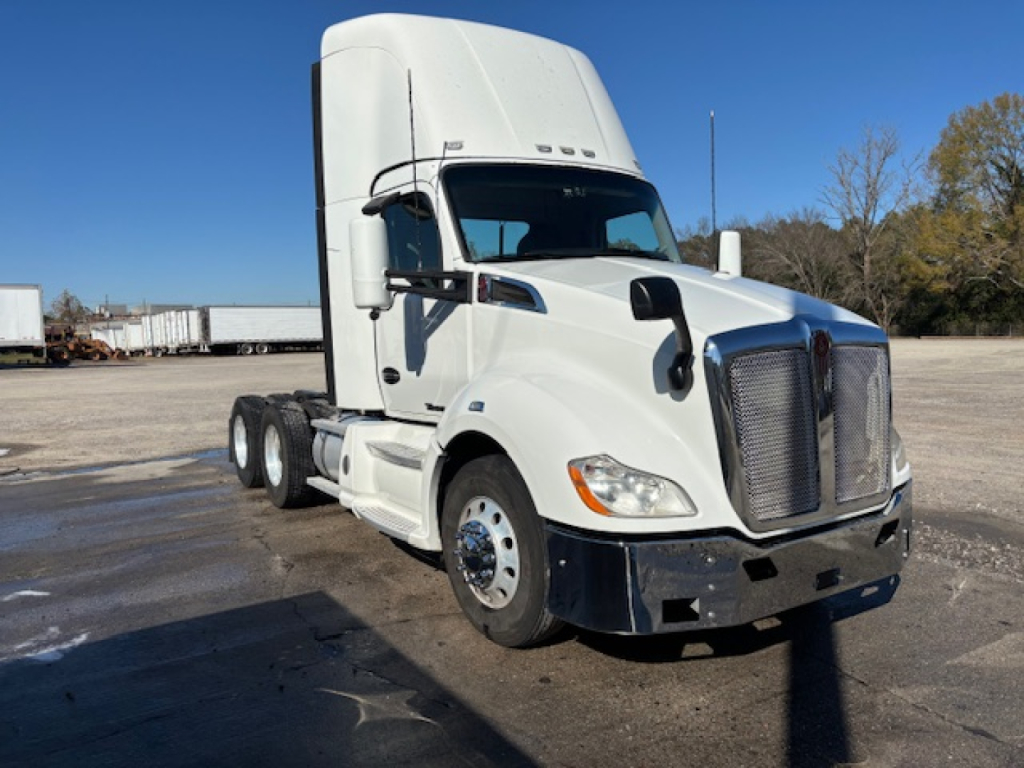
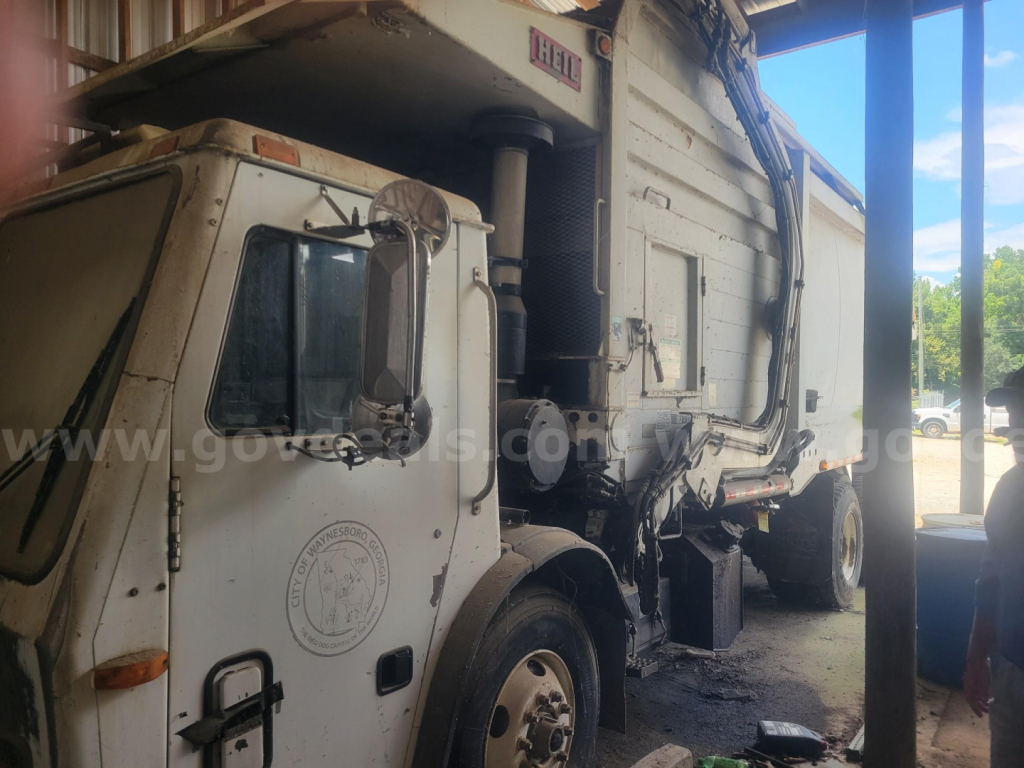
Have commercial truck to sell? List it here to reach thousands of buyers.
Commercial Trucks Near Waynesboro, Georgia
Specs that matter most usually start with axle configuration, engine rating, transmission type, and wheelbase. On-road tractors commonly prioritize fuel economy, aerodynamic design, automated manual transmissions, and rear axle ratios suited to the intended cruise speed. Vocational and municipal trucks tend to put more value on frame strength, PTO capability, suspension durability, steer angle, and body compatibility. Buyers should also pay close attention to GVWR, front and rear axle ratings, brake type, tire condition, and any emissions-related components, especially on diesel trucks that may use EGR, DPF, or SCR systems.
In a market like east Georgia, truck selection often comes down to service profile and uptime. Regional freight operators may lean toward aerodynamic conventional models with efficient powertrains and proven maintenance records. Contractors, public works departments, and waste operations may need tighter cab access, higher visibility, and chassis designed for repeated stop-and-go duty. If the truck will spend time on job sites, transfer stations, or uneven rural roads, suspension setup, ground clearance, and frame condition deserve a close look. For local fleet use, cab ergonomics, ingress and egress, and driver visibility can matter as much as raw horsepower.
A solid used truck evaluation should include engine hours if available, cold-start behavior, transmission operation, brake performance, steer tire wear, suspension condition, and signs of frame corrosion or previous repairs. Body and equipment integration also matters on specialized trucks, especially where hydraulics, PTO-driven systems, hoists, compactors, or vocational upfits are involved. Service history, software updates, fault codes, and evidence of consistent preventive maintenance often tell more about future operating cost than odometer reading by itself. The best truck in this category is the one built for the exact duty cycle it will see every day.
Frequently Asked Questions about Commercial Trucks Near Waynesboro, Georgia
What type of truck is best for local hauling in Waynesboro, GA?
For local hauling, many buyers prefer a day cab because it reduces weight, improves maneuverability, and avoids the added cost of a sleeper when overnight use is not required. If the route includes frequent stops, tight urban turns, or municipal work, a low-cab-forward truck can be a better fit because it offers improved visibility and a shorter overall footprint. The right choice depends on cargo, body style, axle requirements, and how much time the truck spends on highways versus local roads.
What should I check first when comparing used commercial trucks?
Start with the truck's intended application, then verify the core chassis specs: GVWR, axle ratings, wheelbase, engine horsepower, torque, transmission type, and suspension. After that, review maintenance records, emissions system history, tire condition, brake wear, and any signs of frame damage or corrosion. On vocational trucks, confirm that the PTO, hydraulics, and body equipment function correctly and are matched to the chassis ratings.
Are low-cab-forward trucks good for municipal or refuse work?
Yes. Low-cab-forward trucks are commonly used in municipal, refuse, and other stop-and-go operations because they provide strong forward visibility, easier cab access, and better maneuverability in tight spaces. They are especially useful where routes include alleys, transfer stations, dense residential areas, or frequent curbside stops. Buyers should still confirm axle capacity, body compatibility, and the condition of any hydraulic or compaction equipment.
How important are emissions components on a used diesel truck?
Emissions components are a major part of used diesel truck ownership cost and uptime. Systems such as EGR, DPF, and SCR can operate reliably when maintained correctly, but neglected components can lead to derates, fault codes, and expensive repairs. A buyer should look for service records, recent cleaning or replacement history, and any evidence of repeated emissions-related downtime before making a purchase decision.
What matters more on a used truck, mileage or maintenance history?
Maintenance history usually tells a more complete story than mileage alone. A higher-mile truck with documented preventive maintenance, software updates, and timely repairs can be a stronger value than a lower-mile truck with poor records or signs of long idle periods and deferred service. Engine hours, idle time, fluid analysis, brake condition, and tire wear patterns can help explain how the truck was actually used.