
Freightliner Water Trucks For Sale
Browse Freightliner water trucks built for dust control, road work, site support, and fire service with common tank, pump, and spray system options.
Learn moreNo exact matches found for your search
Showing Water Trucks instead.
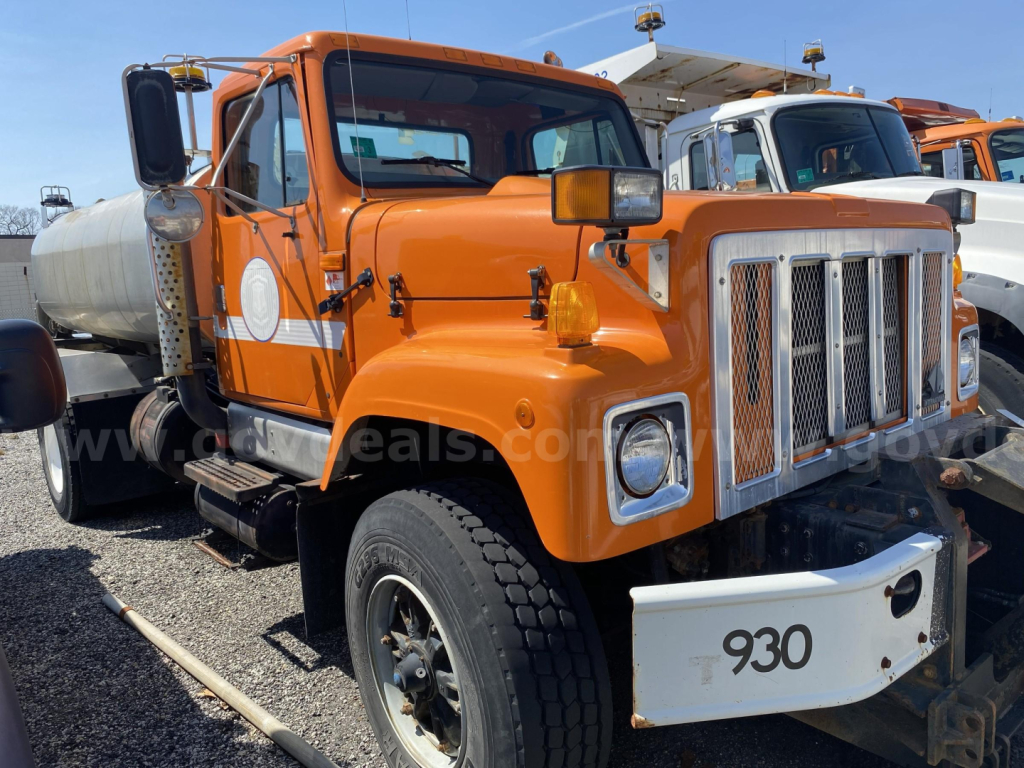
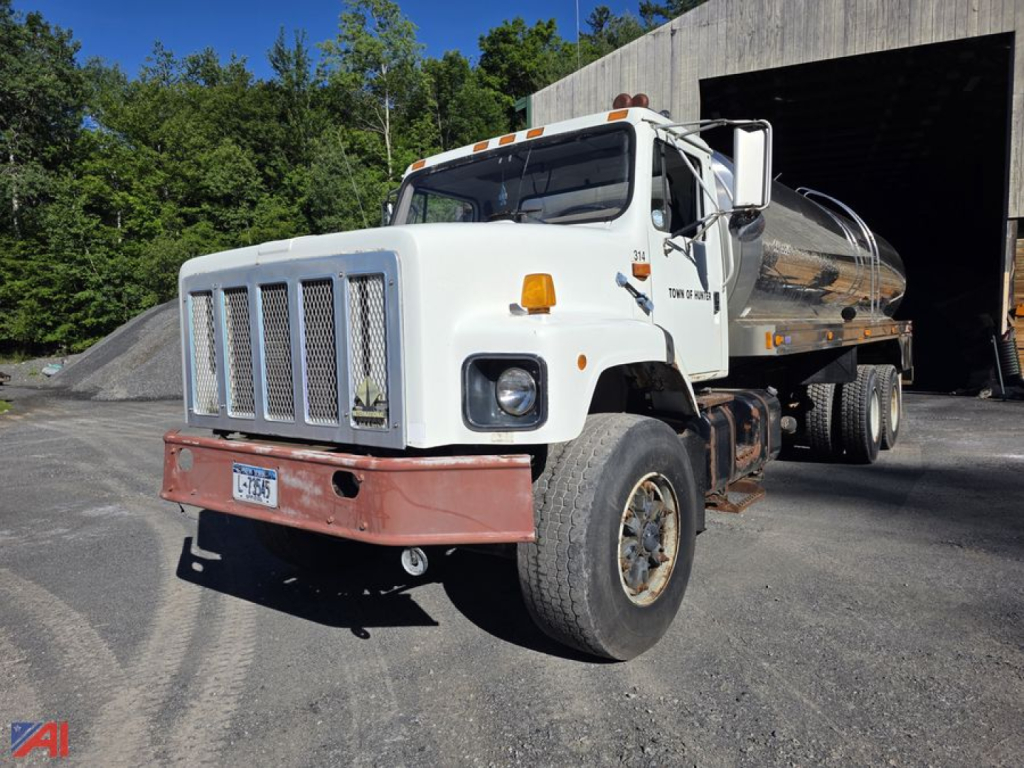
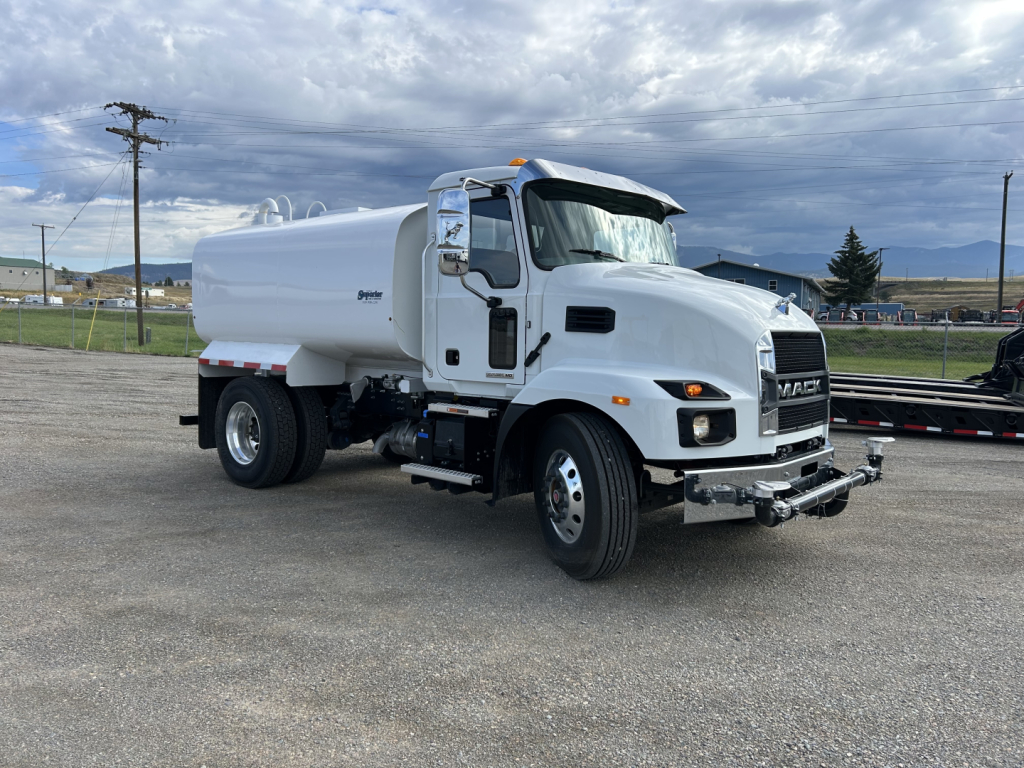
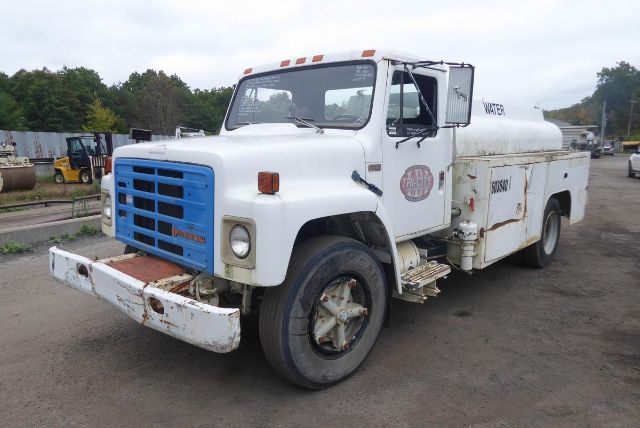
Have freightliner water truck to sell? List it here to reach thousands of buyers.
About Freightliner Water Trucks
Tank capacity is one of the main decision points. Freightliner water trucks are commonly found with tanks in the 2,000 to 4,000 gallon range, though larger configurations exist depending on axle rating and local weight laws. Buyers should look closely at tank material, baffling, and mounting design because surge control affects handling and braking when the truck is partially loaded. A typical setup may include front, side, and rear spray heads, a rear hose reel or hose line, and a PTO-driven pump from brands commonly used in municipal and contractor fleets. If the truck will be used for continuous dust control, pump flow rate, nozzle layout, and cab controls are more important than tank size alone.
Chassis specs matter because water is heavy and operating conditions are often rough. Many Freightliner water trucks use diesel engines in medium-duty or severe-service configurations paired with automatic or manual transmissions, spring or air suspensions, and single or tandem rear axles. A buyer should confirm GVWR, front axle capacity, brake type, wheelbase, and turning radius to match the work environment. Tight residential or urban work may favor a shorter wheelbase, while quarry, mining, and road construction use can justify a heavier chassis. It is also worth checking PTO engagement, pump condition, plumbing layout, internal tank corrosion, and the condition of spray bars, valves, and hose equipment because those items directly affect day-to-day usability.
For buyers comparing listings, the best Freightliner water truck is usually the one with a chassis and water system matched to the job, not simply the largest tank. A truck used for dust abatement on active construction sites may need reliable spray coverage and easy refill access, while a municipal unit may place more value on road speed, operator visibility, and simple maintenance. If the truck may also support fire control or emergency response, pay attention to pump output, suction and discharge connections, and any existing tender-style plumbing. Freightliner remains a practical option in this category because parts availability, vocational dealer familiarity, and broad upfit compatibility make ownership more predictable over the long term.
Frequently Asked Questions
What tank size is common on a Freightliner water truck?
Many Freightliner water trucks are configured with tanks from about 2,000 to 4,000 gallons, although exact capacity depends on the chassis, axle ratings, wheelbase, and intended application. A larger tank increases time between refills, but it also adds weight and can limit maneuverability or legal payload depending on the jurisdiction. The right size depends on how far the truck travels between water sources, how often it sprays, and the surfaces it will operate on.
What is a Freightliner water truck typically used for?
A Freightliner water truck is commonly used for dust control on construction sites, road building, aggregate yards, and mines. It may also be used for soil conditioning, compaction support, street washing, landscape watering, and municipal maintenance. Some units are equipped or later adapted for fire support or tender work, especially when they have suitable pump and hose configurations.
What should I inspect on a used Freightliner water truck?
Key inspection points include tank condition, internal baffling, signs of corrosion, pump performance, PTO operation, valve function, spray bar condition, and hose reel or hose line usability. On the chassis side, buyers should verify engine hours and mileage, axle ratings, brake condition, suspension type, tire wear, and any frame stress around tank mounts. It is also smart to check for leaks in plumbing, damaged nozzles, and evidence that the truck can maintain consistent spray pressure under load.
Are Freightliner M2 models a good fit for water truck applications?
Freightliner M2 chassis are widely used in water truck service because they offer a good mix of visibility, service access, and vocational versatility. The M2 106 often fits lighter municipal or contractor applications, while the M2 112 is commonly chosen when more capacity or heavier-duty components are needed. The best fit depends on required tank size, operating terrain, and how much weight the truck must carry on a regular basis.
How important is the pump setup on a water truck?
The pump setup is one of the most important parts of a water truck because it determines how effectively the truck can spray, transfer, or discharge water. PTO-driven pumps are common because they provide dependable flow for spray bars, hose lines, and fill operations. Buyers should look at pump brand, flow rate, pressure capability, suction and discharge layout, and how easily the operator can control spray functions from the cab or work area.