
Trucks For Sale in Washington
Shop used commercial and semi trucks for sale in Washington. Compare day cabs, sleepers, dump and box trucks, and spec for Northwest terrain and ports.
Learn morePopular Trucks Categories
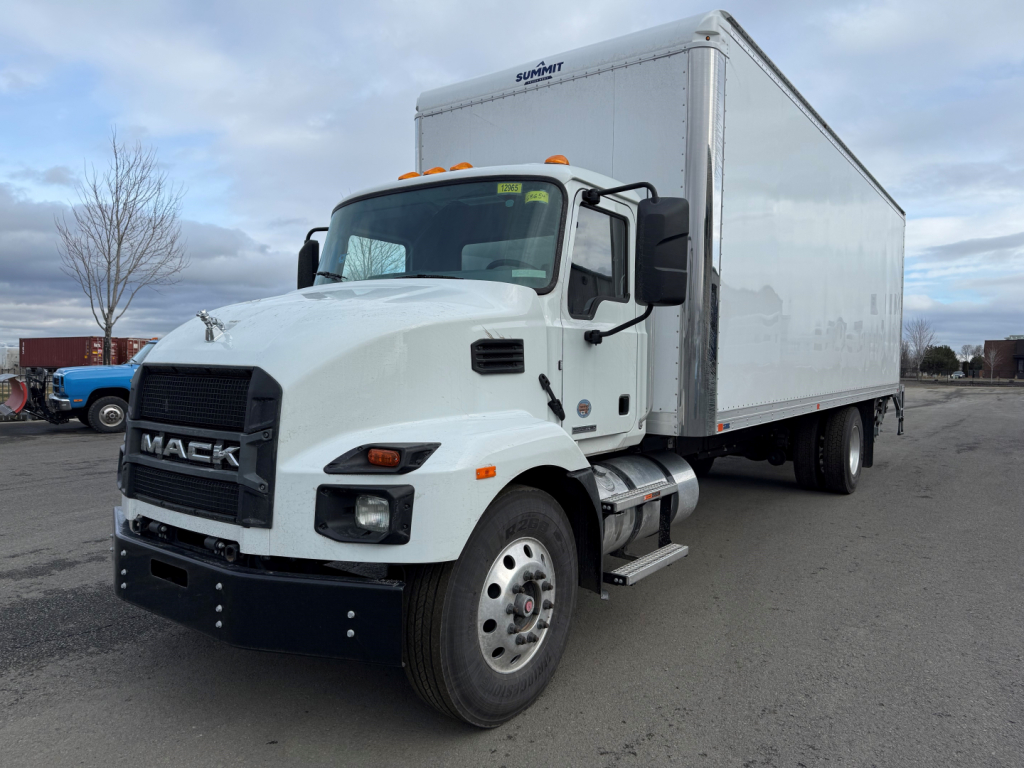
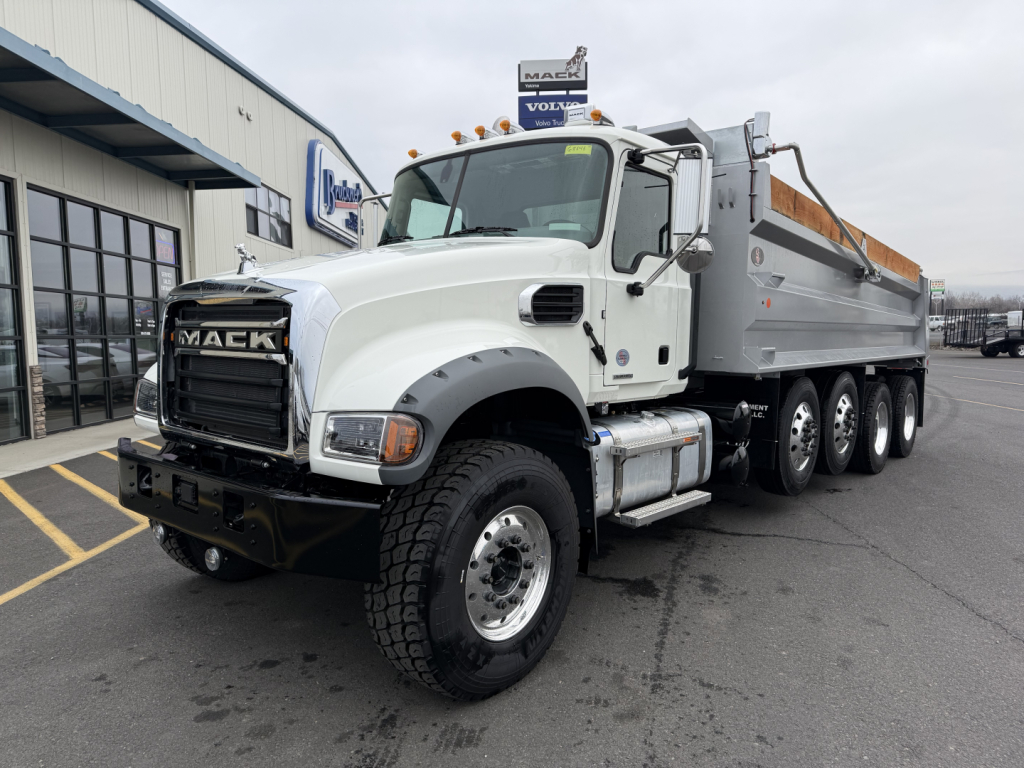
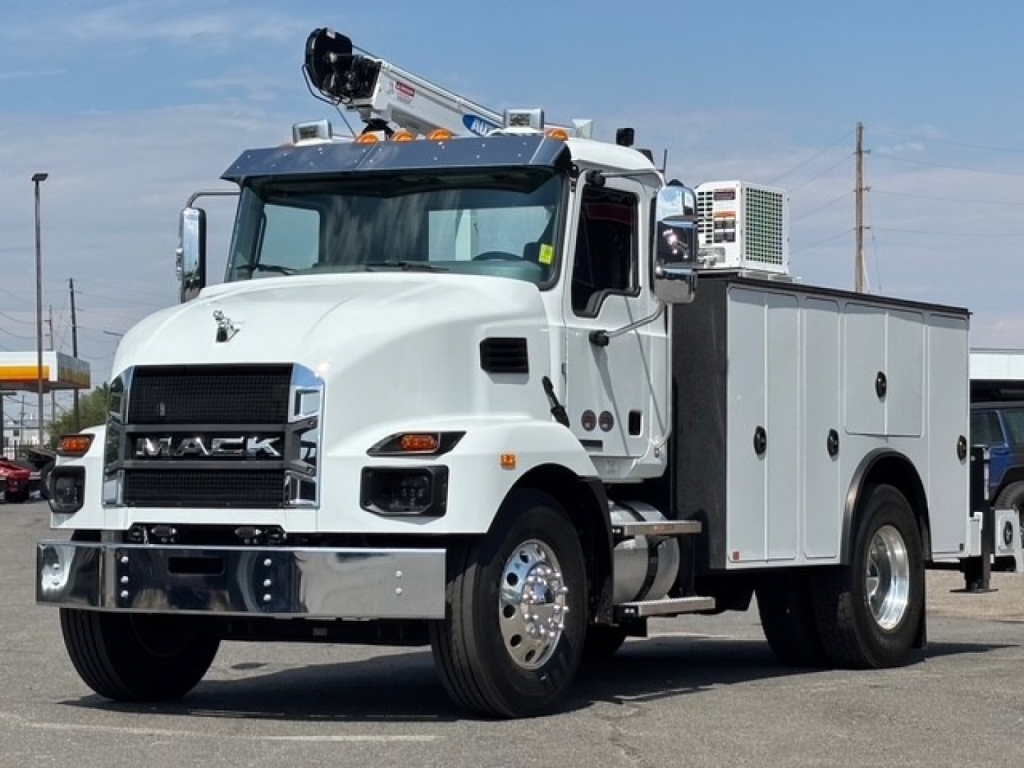
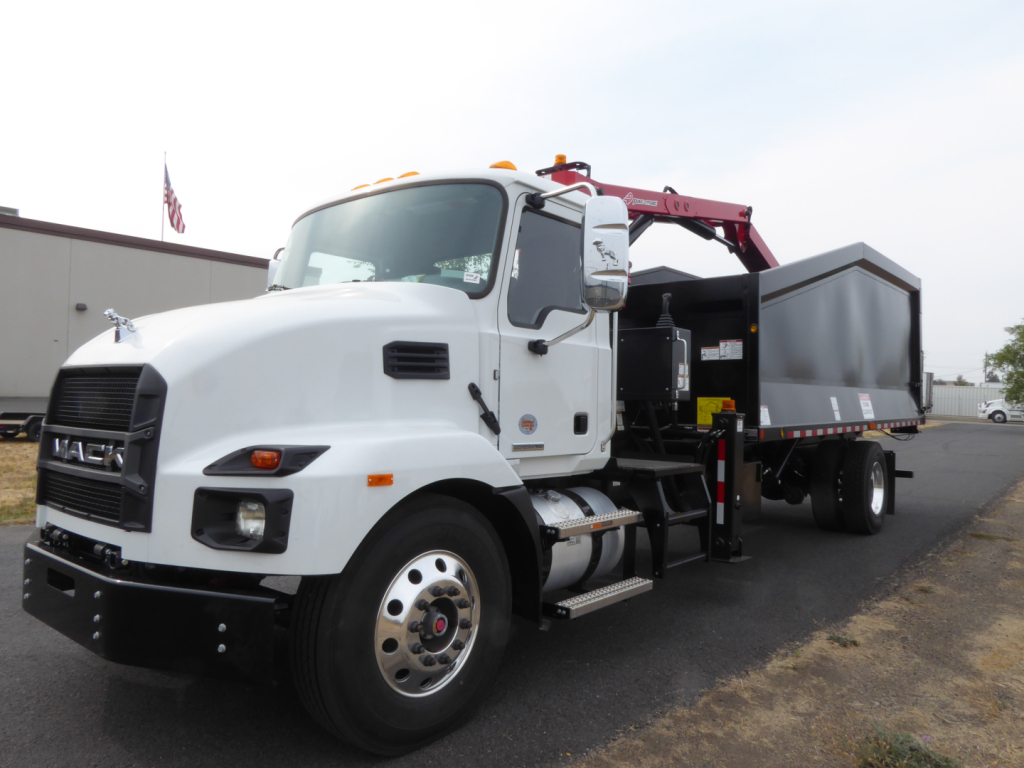
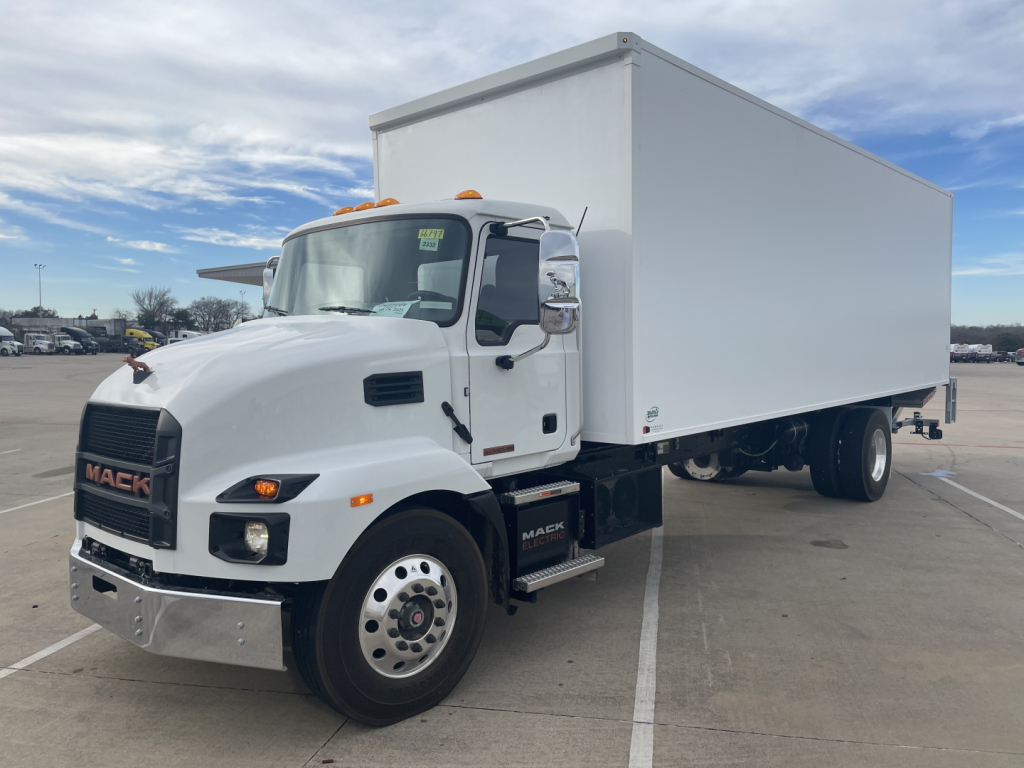
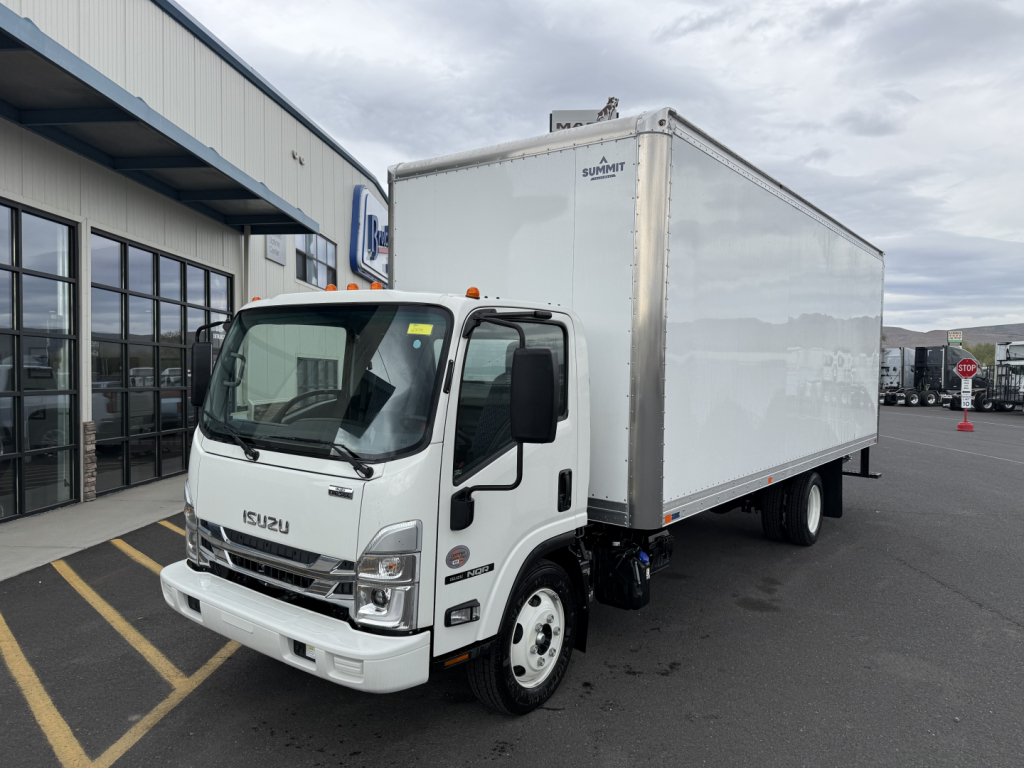
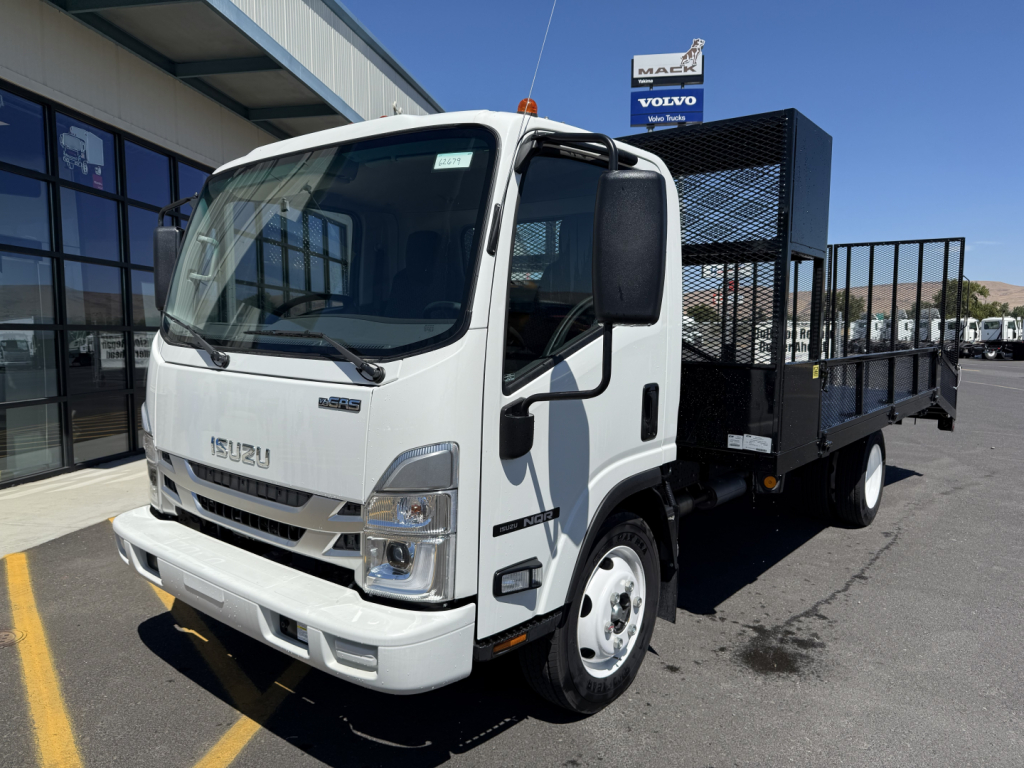
Showing 73 to 80 of 80 results
Have truck to sell? List it here to reach thousands of buyers.
About Trucks in Washington
Applications vary by corridor. Sleeper tractors handle long-haul freight on I-5 and I-90, while day cabs cover port drayage around Seattle and Tacoma, LTL in Spokane and Tri-Cities, and agricultural hauls in Yakima and Wenatchee. Medium duty box trucks, often 16 to 26 ft, are popular for urban delivery in Seattle’s tight streets; short wheelbase, curbside doors, and 2,500 to 3,000 lb liftgates improve productivity. Vocational trucks run heavy here. Logging and construction buyers look for double-frame rails, 46K rears, full locking diffs, high-capacity front axles, and quad or super dump configurations with lift axles to meet Washington bridge and axle-weight requirements while maximizing legal payload.
Compliance can drive purchase decisions. For port access, buyers often choose engines that meet 2007 or newer EPA standards, with many preferring 2010 and newer SCR systems for fuel economy and wider regional acceptance. If routes extend into California, verify CARB rules for tractors and reefer TRUs. Idle reduction is valued in colder passes and job sites, so factory APUs or optimized idle help meet local anti-idle policies. For climate durability, sealed electrical connectors, stainless or aluminum hardware, undercoating, and composite fenders reduce corrosion from winter road treatments. Automatic tire chains, heated mirrors, LED lighting, and aggressive open-shoulder drive tires improve safety in frequent rain and chain-up conditions over Snoqualmie and Stevens Pass.
When comparing used trucks for sale in Washington, weigh wheelbase and overall length against maneuverability, ferry constraints, and bridge law. Match engine families common to the region, such as X15, DD15, and MX-13, with the work you do, and check PTO provisions and crossmember spacing if a body or pump is required. Review aftertreatment history, DPF ash load, DOC/DPF replacement dates, and EGR cooler service. Inspect frames, suspension bushings, and brake hardware for rust and wear, and confirm gear ratio, fifth wheel height, and fuel capacity align with your routes. Smart spec choices reduce operating cost in the Northwest, from Spokane snow to Tacoma terminals, and keep trucks productive in a market that rewards reliability and surefooted handling.
Frequently Asked Questions
What axle ratio works best for Washington routes with frequent grades and rain?
For mixed Washington terrain that includes I-90 and US-2 grades, 3.08 to 3.55 paired with 10 to 13 speeds or modern AMTs provides good startability and hill control. For high-mile I-5 linehaul with lighter average loads, downsped engines with 2.64 to 2.85 and direct-drive or overdrive AMTs can save fuel. Always balance ratio with tire size, GCW, and the percentage of mountain miles to keep cruise rpm in the engine’s torque band.
Do I need a specific emission year to access the Seattle and Tacoma marine terminals?
The Northwest Seaport Alliance Clean Truck Program has required newer-emissions trucks to access terminals, historically 2007 or newer EPA engines. Requirements can evolve, and some customers or lanes expect 2010 and newer SCR-equipped tractors. Verify the current NWSA rules and any customer-specific drayage policies. Choosing 2010 and newer broadens compliance and typically improves fuel economy.
What specs help trucks handle Washington’s wet weather and winter passes?
Engine brakes, inter-axle and differential locks, and traction control help on steep, wet grades. Air disc brakes improve wet stopping and fade resistance. Heated mirrors, LED lighting, and good spray suppression improve visibility. Many fleets choose 3PMSF-rated drive tires, carry chains during the season, and add automatic tire chains for frequent pass work. Sealed electrical harnesses and undercoating resist corrosion from winter road treatments.
Are 26 ft box trucks typically non-CDL in Washington?
A single-unit truck at or under 26,000 lb GVWR does not require a CDL. Many 26 ft box trucks are rated at 25,950 lb to stay below the threshold. Exceeding 26,000 lb GVWR or operating a combination that pushes GCWR over 26,000 lb can trigger CDL requirements. Air brakes by themselves do not require a CDL, but proper endorsements, medical certification, and intrastate or interstate authority may still apply.
What should I check on a used truck intended for Northwest vocational work?
Confirm frame condition, look for double-frame or inserts if heavy bodies are planned, and verify crossmember spacing for body mounts. Review maintenance records for aftertreatment components, coolant system, and driveline U-joints. Inspect suspension bushings, brake hardware, and hub seals for corrosion and wear from wet service. Check gear ratio and transmission PTO provisions against your intended body and route profile to avoid under- or over-spec issues.