
Water Trucks For Sale in Washington
Explore water trucks for sale, including tank sizes, spray systems, chassis specs, and application details for construction and dust control.
Learn moreBrowse Water Trucks by Make
Have water truck to sell? List it here to reach thousands of buyers.
About Water Trucks in Washington
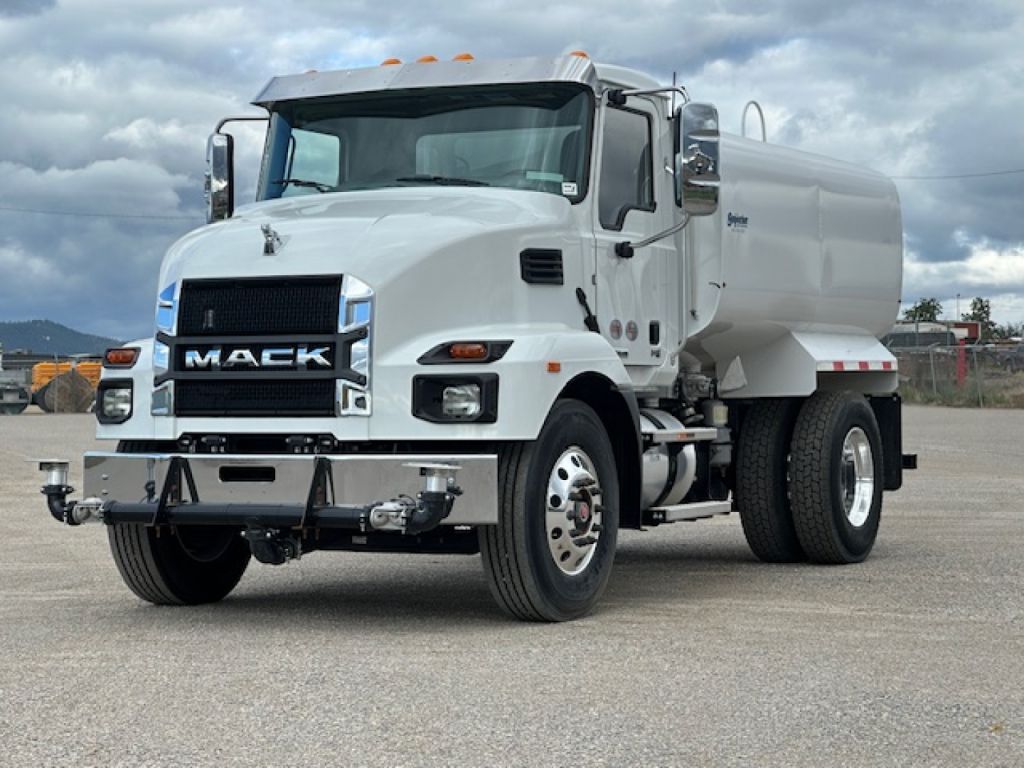
Tank construction and chassis match matter more than many first-time buyers expect. Common water truck tanks are steel, stainless, or aluminum, with steel still common in construction service because of durability and repairability. Capacity is often tied to axle ratings and wheelbase, with smaller single-axle units used where maneuverability and CDL thresholds are important, and larger tandem-axle setups chosen for longer runs or higher daily output. Buyers should look closely at internal baffling, tank thickness, fill options, ladder and walkway access, and whether the truck uses hydrant fill, overhead fill, or rear suction arrangements. A 25,995-GVWR non-CDL configuration can be attractive for municipal or contractor fleets that want easier driver deployment, but payload and water volume need to be balanced against legal axle weights.
The spray system is what separates one water truck from another. Front, side, and rear spray heads, gravity bars, hose reels, water cannons, and pump-and-roll capability all change how useful the truck will be on a site. Pump size, PTO setup, and nozzle layout should match the work. Dust control on haul roads requires different coverage than trench work, shoulder maintenance, or compaction. In Washington's wet and dry seasonal swings, corrosion resistance, cold-weather protection, and easy winterization also deserve attention. Block heaters, protected plumbing, and simple valve access can reduce downtime when temperatures drop. If the truck will spend time off pavement, pay attention to rear suspension, tire selection, axle ratio, and frame-mounted component protection.
A well-matched water truck is less about the newest chassis and more about uptime, service access, and application fit. Medium-duty models are common for municipal work, utility contractors, landscape supply yards, and general construction fleets because they balance tank size with maneuverability. Buyers comparing listings should verify engine and transmission pairing, PTO compatibility, brake type, frame rating, and the actual water equipment installed on the truck body. The best unit for the job is one that can legally carry the intended load, deliver steady water pressure, and hold up to repeated fill, transport, and spray cycles without excessive maintenance.
Frequently Asked Questions
What size water truck is best for construction and dust control work?
The best size depends on route length, refill access, site conditions, and legal weight limits. Smaller single-axle water trucks are easier to maneuver on tight jobsites and can be practical for urban work or fleets trying to stay near non-CDL operating thresholds. Larger trucks carry more water per trip and improve productivity on long haul roads or remote sites, but they require more room, higher axle capacity, and careful attention to legal loaded weight.
What features should I look for on a water truck spray system?
The most important features are tied to how the truck applies water. Front sprays help with road wetting, rear sprays are common for dust suppression, and side sprays can improve shoulder or edge coverage. A hose reel adds flexibility for washdown or targeted watering, while a water cannon is useful for stockpiles, fire support, or broader reach. Pump capacity, PTO setup, valve layout, and pump-and-roll capability should all be checked because they determine how consistently the truck can deliver water under real working conditions.
Are steel or aluminum water tanks better?
Steel tanks are widely used because they are durable, common in construction service, and generally easier to repair after hard use. Aluminum tanks reduce weight and may help with payload efficiency, but they can be more application-sensitive depending on operating conditions and repair resources. Stainless steel can be attractive where corrosion resistance matters. Tank material should be evaluated along with internal baffling, weld quality, coating, and the service environment rather than by material alone.
Can a water truck be configured to avoid CDL requirements?
Some water trucks are built around a GVWR that supports non-CDL operation in certain situations, often using a 25,995-lb rating strategy. That can help fleets widen the pool of eligible drivers, but buyers still need to verify state and federal rules, licensing requirements, endorsements, and how actual loaded operation affects compliance. Water is heavy, so practical payload and legal axle loading must be reviewed carefully before assuming a lower-rated truck will fit the intended job.
What matters most when buying a water truck for Washington use?
Washington buyers often need to consider both seasonal moisture changes and varied terrain. Summer dust control, municipal road work, utility construction, and off-road access can all demand different setups. Corrosion protection, cold-weather features such as block heaters and protected plumbing, dependable fill arrangements, and chassis specs suited to grades and rough surfaces are all important. A truck that performs well year-round in Washington usually combines the right tank size with simple serviceability and a spray system matched to the actual work.