
Step Van Trucks For Sale in Washington
Browse step van trucks for sale in Washington. Compare GVWR, cargo space, electric and gas options, and route-ready delivery specs.
Learn more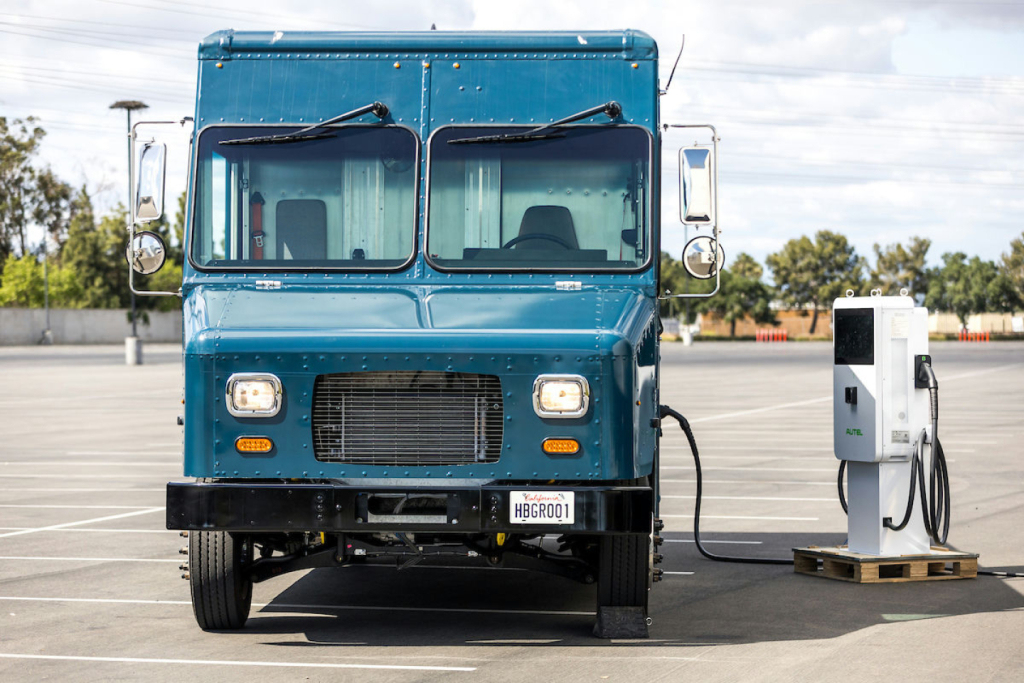
Have step van truck to sell? List it here to reach thousands of buyers.
About Step Van Trucks in Washington
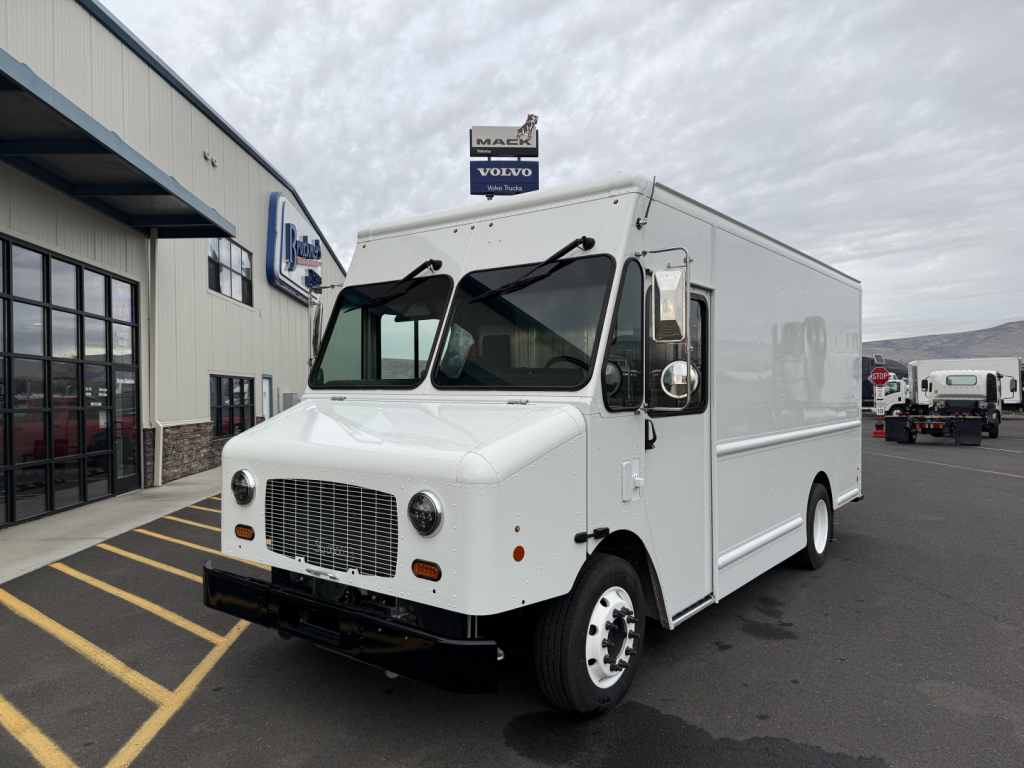
For buyers comparing step vans, body size and GVWR usually drive the decision first. Common specs range from lighter Class 4 and 5 units into heavier Class 6 configurations, with wheelbases and body lengths selected around route density, payload, and turning radius. A shorter wheelbase is easier in alleys, urban cores, and tight residential streets, while a longer chassis gives you more cube for high-package routes or shelving-heavy applications. Pay attention to axle ratings, rear suspension type, door configuration, interior standing height, and how the cargo area is outfitted. Shelving, partitions, bulkheads, roll-up doors, and side access can make a major difference in route efficiency.
Powertrain choice matters more than ever in Washington, especially for fleets working metro delivery routes around Seattle, Tacoma, Spokane, and other urban service areas. Electric step vans are gaining traction because they fit predictable local routes, reduce idle-related waste, and simplify maintenance by eliminating many conventional engine service items. Buyers should still verify real-world range against payload, terrain, HVAC use, and charging access. Gas and diesel step vans remain relevant for longer days, mixed-route use, or operations that need faster refueling and broader service support. Brake feel, regenerative braking behavior, and upfit electrical capacity are worth reviewing if the truck will carry refrigeration, power inverters, or other route equipment.
A good step van purchase comes down to route math. Match cargo cube, payload capacity, and door layout to the number of daily stops and the type of freight being handled. In wet Northwest conditions, traction, visibility, wiper performance, corrosion protection, and floor grip deserve extra attention. Buyers should also look closely at cab ergonomics, turning radius, mirror and camera coverage, and parts support for the chassis and body. The right step van lowers driver fatigue, speeds every stop, and gives a delivery or service fleet a body style that is purpose-built for repetitive commercial work.
Frequently Asked Questions
What is a step van truck used for?
A step van truck is used for delivery and service routes that require frequent stops and easy cargo access. Common applications include parcel delivery, snack and beverage routes, bakery distribution, uniform and linen service, vending, and mobile repair operations. Its walk-in body design allows the driver to move quickly between the cab and cargo area, which improves route efficiency compared with a conventional cab-and-box setup.
How do I choose the right size step van?
Start with payload, cargo cube, and route environment. Shorter wheelbase step vans are easier to maneuver in city traffic, alleys, apartment complexes, and tight commercial lots. Longer wheelbase models offer more shelving space and cargo capacity for high-volume delivery routes. Buyers should compare GVWR, axle ratings, interior height, rear door opening, and any planned upfits so the truck matches both the freight and the number of stops per day.
Are electric step vans a good fit for delivery fleets in Washington?
Electric step vans can be a strong fit for Washington fleets running predictable local routes with defined daily mileage and access to overnight charging. They are especially well suited to stop-and-go urban delivery because regenerative braking can improve efficiency and reduce brake wear. Buyers should confirm range under real payload, cold-weather operation, terrain, and accessory loads such as heaters, refrigeration units, or onboard power equipment before committing to an electric platform.
What GVWR range is common for a step van?
Step vans are commonly found in Class 4 through Class 6 configurations, depending on body size and intended payload. Lighter units are often used for smaller parcel or service routes, while heavier models support larger bodies, denser shelving packages, and higher freight volume. The correct GVWR depends on cargo weight, not just body size, so it is important to account for shelves, bins, drivers, tools, and any permanent equipment in the final operating weight.
What features matter most on a used or new step van?
The most important features are the ones that affect route productivity and operating cost. Buyers typically focus on wheelbase, body length, stand-up interior height, cargo access, axle capacity, turning radius, and serviceability. On route-focused trucks, details like shelving layout, floor condition, corrosion resistance, mirror visibility, camera systems, and door hardware can have just as much impact as horsepower because they affect every stop the truck makes.