
Harbinger Step Van Trucks For Sale in Washington
Shop Harbinger step van trucks for sale in Washington. Compare electric walk-in vans built for delivery routes, urban fleets, and last-mile service.
Learn more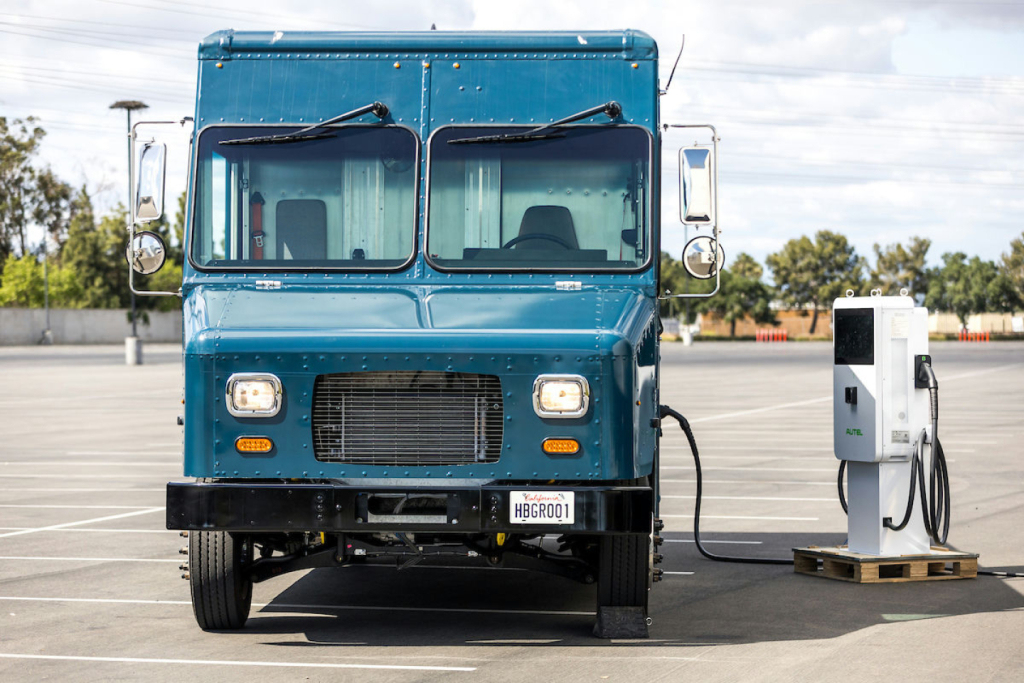
Have harbinger step van truck to sell? List it here to reach thousands of buyers.
About Harbinger Step Van Trucks in Washington
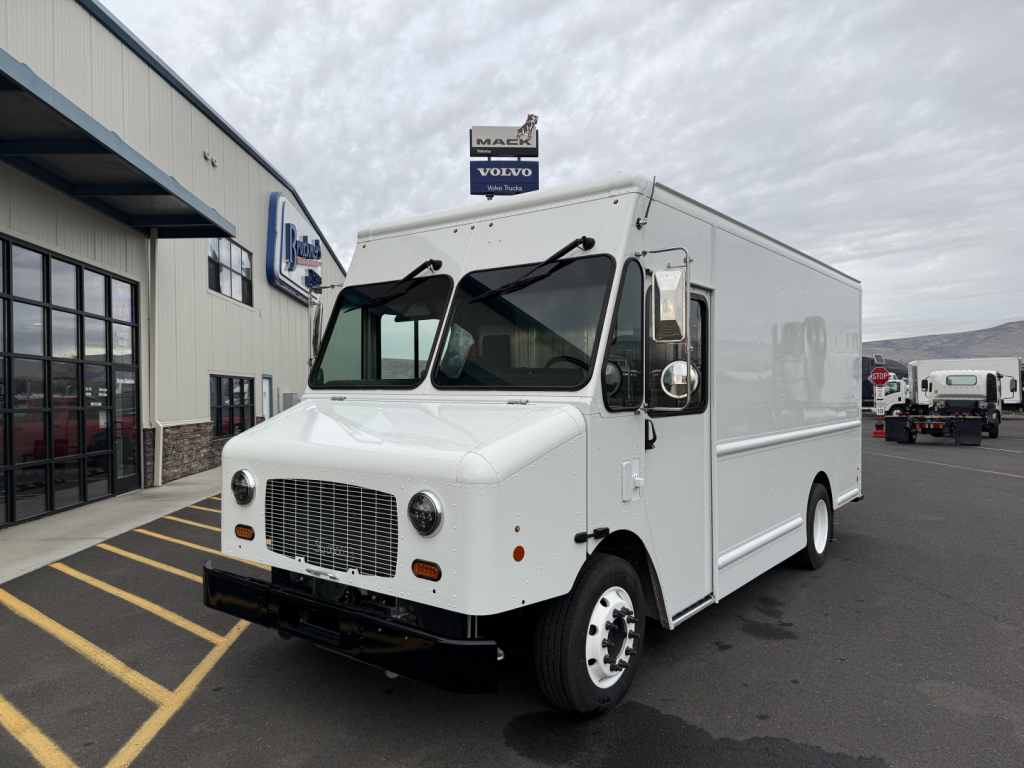
A step van, also known as a walk-in van, is built for frequent entry and exit. The low step-in height, stand-up interior, and wide side access are major advantages for drivers making dense delivery runs. For electric step vans, the buying conversation usually centers on duty cycle and charging strategy. A shorter-wheelbase unit can be a better fit for tighter city routes and easier curb access, while a longer-wheelbase model generally supports more cargo volume and higher chassis capacity. In Washington, that decision often comes down to a mix of urban delivery density, suburban route length, and how much grade climbing the truck will see during the day.
Chassis details matter more than many first-time buyers expect. Front and rear axle ratings, spring-leaf rear suspension, and GVWR determine how much body and payload flexibility you have before the truck is built out for your operation. A 7,200 lb front axle and 13,650 lb rear axle setup will suit different upfits and loading patterns than a 9,000 lb front and 15,400 lb rear configuration. Buyers should also review wheelbase against the intended body length, door placement, turning radius, and dock or alley access. For high-stop fleets, electric drivetrains can reduce brake wear and simplify routine maintenance compared with internal combustion step vans, but uptime still depends on charging infrastructure, technician support, and route planning discipline.
The best Harbinger step van for a fleet is usually the one matched tightly to its daily operating window. If the truck will run fixed urban loops, electric step vans can make strong sense for predictable range usage and lower idle-related waste. If the application includes heavier payload swings, seasonal HVAC loads, or longer suburban miles between stops, buyers should verify how those conditions affect real-world performance. Look closely at payload after body equipment is installed, not just chassis rating on paper. For delivery contractors, bakery distribution, linen service, and vocational fleets that need a walk-in platform with modern electric architecture, Harbinger step vans are aimed squarely at efficient medium-duty route work.
Frequently Asked Questions
What is a Harbinger step van used for?
A Harbinger step van is typically used for last-mile delivery, parcel routes, retail distribution, mobile service operations, and other applications that require frequent stops and repeated driver entry and exit. The walk-in design improves route efficiency because the driver can move through the cargo area quickly, and the electric drivetrain is especially well suited to stop-and-go duty cycles common in urban and suburban fleet work.
What GVWR range should buyers expect in a Harbinger step van?
Harbinger step vans in this category commonly fall into medium-duty GVWR classes, and the sample units shown are rated at approximately 20,850 lb and 24,400 lb GVWR. That rating affects legal operating weight, body selection, payload capacity, and axle loading. Buyers should compare GVWR with actual curb weight and planned upfit weight so the finished truck still carries the intended cargo without exceeding axle or gross vehicle limits.
How do wheelbase and axle ratings affect step van selection?
Wheelbase and axle ratings have a direct effect on cargo capacity, body length options, turning radius, and load distribution. A shorter wheelbase generally helps in tight city environments and can make parking and alley access easier. A longer wheelbase usually supports more body space and often pairs with higher axle ratings for heavier or bulkier applications. Front and rear axle capacity should always be reviewed alongside the planned body and how the load will sit on the chassis.
Are electric step vans a good fit for delivery fleets in Washington?
Electric step vans can be a strong fit in Washington for fleets running predictable local routes, especially in metro and suburban delivery environments where stop-and-go driving is common. The key is matching the truck to route length, payload, terrain, charging access, and seasonal power draw from heating or cooling systems. Fleets operating on repeatable daily loops tend to benefit the most because they can plan charging windows and manage energy use more consistently.
What should buyers check before choosing a Harbinger electric walk-in van?
Buyers should verify route miles, stop frequency, average payload, wheelbase needs, axle ratings, and how much weight the final body configuration will add. They should also review charging infrastructure, service support, and how local terrain affects daily energy consumption. For a step van, body access and driver ergonomics are just as important as powertrain specs, because productivity on a delivery route often comes down to how quickly the driver can load, exit, and move to the next stop.