
Sweeper Trucks For Sale in Washington
Browse sweeper trucks for sale in Washington. Compare mechanical and regenerative air sweepers for municipal, paving, and site cleanup work.
Learn more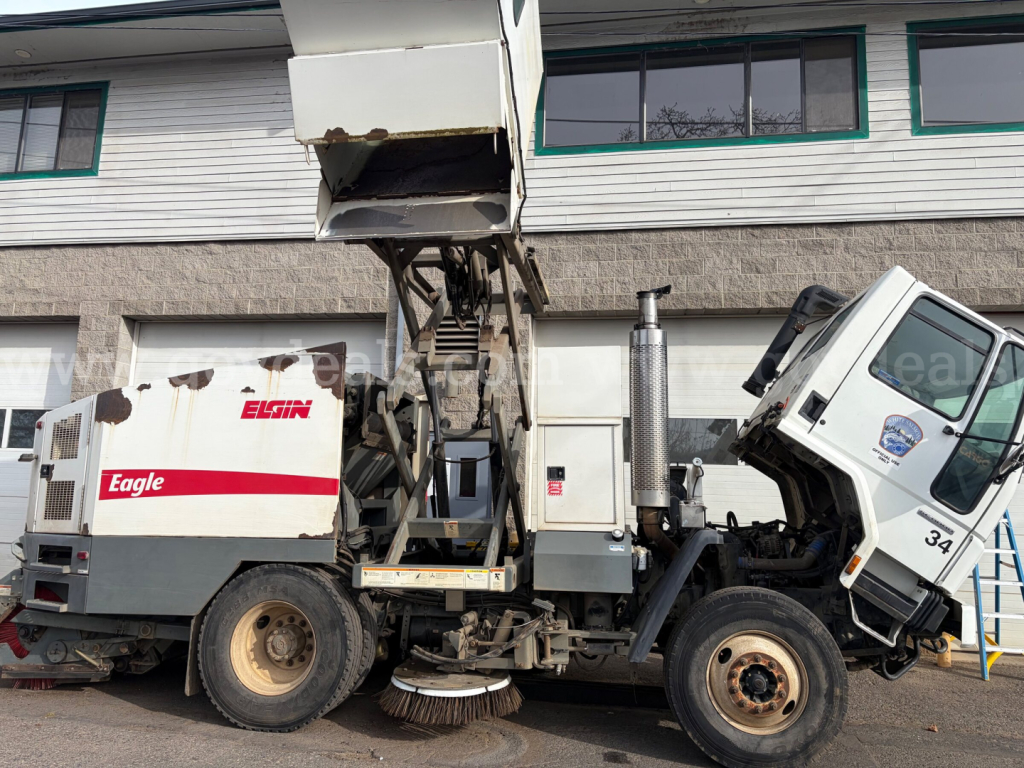
Have sweeper truck to sell? List it here to reach thousands of buyers.
About Sweeper Trucks in Washington
Mechanical sweepers are often favored for heavier material such as gravel, millings, sand, and compacted roadside debris. Regenerative air sweepers are typically chosen when dust control and fine particle pickup matter more, especially on paving jobs and urban streets. Key items to inspect include gutter broom wear, pickup head condition, conveyor or elevator performance, spray nozzles, hopper corrosion, and the water system. In a wet climate like western Washington, rust around the hopper, subframe, and plumbing mounts deserves close attention. In colder parts of the state, buyers should also confirm freeze protection practices and check for cracked pumps, valves, and lines.
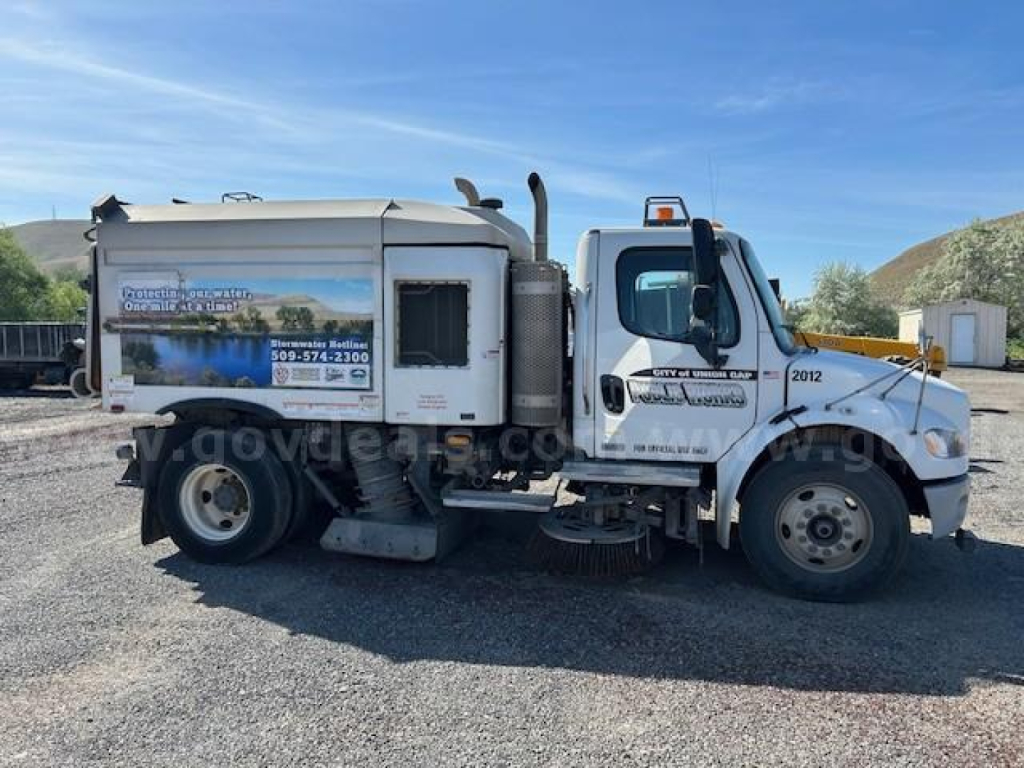
Chassis choice matters because sweeper trucks spend a lot of time in stop-and-go service with PTO-driven auxiliary systems operating continuously. Common platforms include purpose-built sweeper chassis and conventional truck chassis from makers such as Sterling, International, Freightliner, Mack, and Peterbilt. Pay attention to GVWR, wheelbase, turning radius, brake type, transmission, and engine emissions tier, especially if the truck will work in municipalities or on regulated job sites. Cab visibility, hopper dump height, auxiliary engine hours if equipped, and access to routine service points can make a major difference in day-to-day operating cost.
A good sweeper truck should match the material, route length, and dumping cycle of the work. Municipal users may prioritize reliability, easy controls, and all-day water capacity, while contractors often focus on pickup performance after milling, broom pressure adjustment, and transport speed between jobs. Parts support and familiarity with the sweeper body brand are just as important as the truck make, since downtime usually comes from hydraulic, vacuum, broom, or water system issues rather than the cab and chassis alone.
Frequently Asked Questions
What is the difference between a mechanical sweeper and a regenerative air sweeper?
A mechanical sweeper uses rotating gutter brooms and a conveyor or elevator system to move debris into the hopper, which makes it effective for heavier material such as sand, gravel, leaves, and asphalt millings. A regenerative air sweeper uses a controlled air loop to loosen and recover debris, which generally provides better dust control and finer material pickup. The right choice depends on the material stream, air quality requirements, and how often the truck will work on paving or municipal street routes.
What should I inspect first on a used sweeper truck?
Start with the sweeper body, not just the chassis. Check broom wear, pickup head condition, suction path or conveyor condition, hopper floor, water tank, spray bars, pumps, hoses, hydraulic leaks, and all PTO or auxiliary engine functions. Then review frame condition, rust, brake performance, tire wear, engine hours, and service records. A sweeper can drive well and still need expensive body-side repairs, so the sweeping system should be tested under load whenever possible.
Are sweeper trucks suitable for paving and milling cleanup?
Yes, but the application determines the best design. Mechanical broom sweepers are commonly used where heavier milled material and aggregate must be moved efficiently. Regenerative air sweepers are often preferred for final cleanup because they control dust better and pick up fine particles more effectively. Many paving contractors use both types at different stages of the job depending on material size and finish requirements.
Why does water system condition matter so much on a sweeper truck?
The water system is critical for dust suppression, broom performance, and operator visibility. If pumps, nozzles, valves, or lines are restricted or damaged, the truck may create excessive airborne dust and reduce pickup efficiency. In states with freezing conditions, neglected winterization can damage plumbing components and create recurring leaks. A functioning water system is a core operating requirement, not a minor accessory.