
Sterling Sweeper Trucks For Sale in Washington
Browse Sterling sweeper trucks for sale in Washington. Compare SC8000-style street sweepers, chassis specs, hopper capacity, and water systems.
Learn more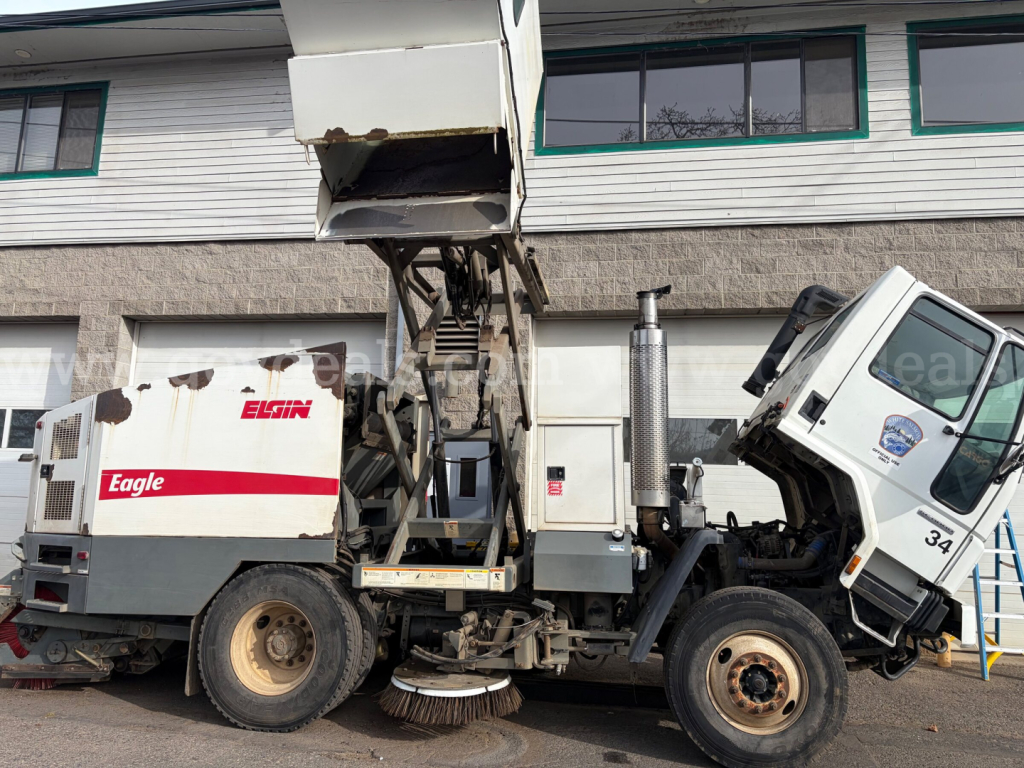
Have sterling sweeper truck to sell? List it here to reach thousands of buyers.
About Sterling Sweeper Trucks in Washington
A Sterling sweeper truck typically pairs a heavy-duty cab and chassis with a regenerative air, mechanical broom, or vacuum sweeper body, depending on the build. Key specs to review include hopper capacity, gutter broom configuration, pickup head width, dust suppression water tank size, auxiliary engine hours if equipped, and hydraulic system condition. On older municipal units, attention should go to wear items such as suction tubes, conveyor components, broom motors, spray nozzles, hopper seals, and cab controls. For buyers in wet Northwest conditions, corrosion around the hopper, subframe, water lines, and body mounts deserves a close look, especially on units that have seen year-round public works duty.
The Sterling chassis itself appeals to many fleets because parts and service for common engine, transmission, brake, and axle components are generally familiar to vocational truck technicians. Depending on configuration, these sweeper trucks may be equipped with diesel engines from well-known suppliers, automatic transmissions, air brakes, and set-back front axles to support the sweeper body layout and turning radius needed for curb work. Visibility from the cab, PTO or auxiliary power arrangement, and turning performance matter in tight downtown routes, alleys, and parking facilities. If the truck will be used for municipal street routes, buyers should also confirm hopper dump height, in-cab sweeper controls, beacon and work light operation, and the condition of the water pump and filtration system.
For Washington buyers, application matters. A sweeper assigned to leaf season, winter sanding cleanup, and roadway shoulder debris will have different wear patterns than a unit used mainly on parking lots or private industrial property. A good Sterling sweeper truck should match route length, debris type, dump cycle frequency, and operator familiarity with the sweeper package. The best buying decisions usually come from balancing chassis condition with sweeper body condition, because an inexpensive truck can turn costly fast if the broom, vacuum, hydraulic, or water systems need major reconditioning.
Frequently Asked Questions
What should I inspect first on a used Sterling sweeper truck?
Start with the sweeper system before focusing on cosmetic condition. Verify broom operation, pickup head wear, suction performance, hopper function, hydraulic responsiveness, and water system operation. After that, review engine condition, transmission performance, brake system health, tire wear, and any evidence of corrosion on the chassis, body mounts, hopper, and plumbing. A sweeper truck is only as useful as the sweeping package, so functional testing is more important than appearance.
Are Sterling SC8000 sweeper trucks good for municipal street cleaning?
Yes, the Sterling SC8000 and similar Sterling vocational chassis are well suited for municipal street cleaning when the sweeper body is properly maintained. They are commonly used by cities, counties, and contractors for curb line cleanup, seasonal debris pickup, and general road maintenance. The main factor is not just the chassis model, but the condition and type of sweeper body mounted to it, along with the truck's turning ability, water capacity, hopper size, and route suitability.
What is the difference between mechanical broom and vacuum or regenerative air sweepers?
Mechanical broom sweepers use rotating brooms and often a conveyor system to move debris into the hopper, making them effective for heavier material and milling debris. Vacuum sweepers rely on suction to collect lighter debris and fine particles. Regenerative air sweepers use a closed-loop air system that lifts and recovers debris with strong dust control, making them popular for municipal roadway sweeping. The right choice depends on the material being collected, dust control requirements, and maintenance preferences.
Why does the water system matter on a sweeper truck?
The water system controls dust and helps the sweeper perform effectively, especially on dry pavement and fine particulate cleanup. A weak pump, clogged nozzles, leaking lines, or damaged tank can reduce sweeping quality and create more airborne dust. In colder climates, buyers should also check for freeze damage if the system was not properly winterized. A functioning water system is essential for both performance and operator compliance on many municipal and contractor jobs.
Is parts support a concern for older Sterling sweeper trucks?
Parts support for the Sterling nameplate itself can require more planning than for current-production truck brands, but many chassis components are shared with widely supported engine, transmission, brake, and axle suppliers. The bigger variable is often the sweeper body manufacturer, since brooms, seals, hydraulic components, filters, and pickup head parts are body-specific. Buyers should identify both the chassis spec and the sweeper body make before estimating long-term maintenance and downtime risk.