
Garbage Trucks For Sale in Washington
Browse garbage trucks for sale in Washington, including rear loaders, side loaders, and front loaders built for municipal and private refuse routes.
Learn more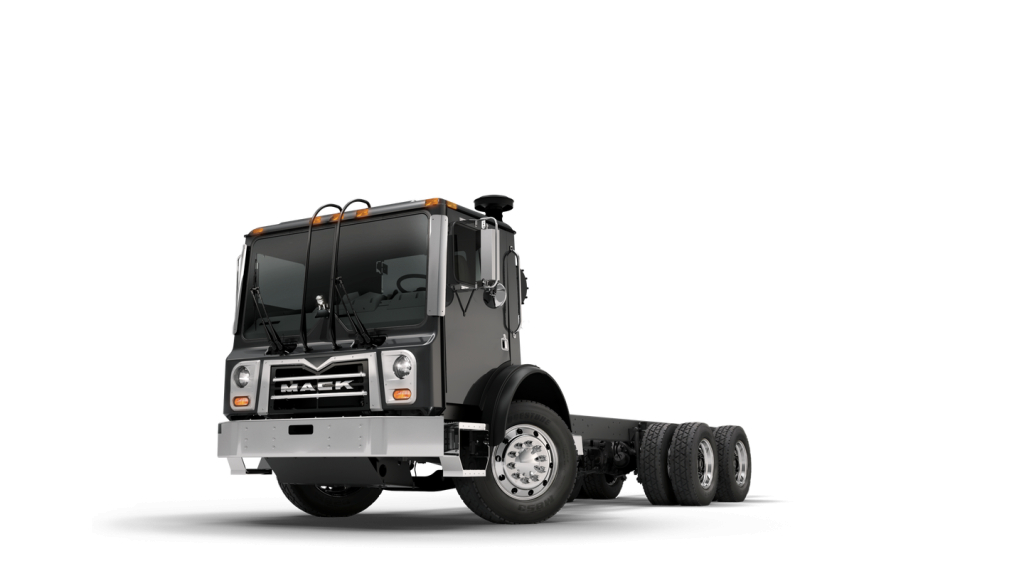

Have garbage truck to sell? List it here to reach thousands of buyers.
About Garbage Trucks in Washington
The most important buying decision is the complete truck-body-hydraulic package, not just the chassis. Refuse units often run high-GVWR specs with heavy front axles, tandem rears on larger builds, aggressive rear ratios, and automatic transmissions matched to constant starts and PTO engagement. Common powertrains include diesel, compressed natural gas, and newer alternative-fuel platforms, with Allison automatics being especially common in collection work. Body builders such as Heil, McNeilus, New Way, Labrie, and Amrep are frequently seen in this class. Key inspection points include hopper and floor condition, packer rails, ejector panels, body mounts, tailgate seals, hydraulic leaks, PTO pump condition, arm wear on automated side loaders, and cylinder performance under load.
In Washington, route conditions can change what spec works best. Tight urban neighborhoods around Seattle and Tacoma favor short wheelbase, low-cab-forward designs with excellent sightlines and turning radius. Rural and transfer-haul applications may justify larger bodies, higher legal payload focus, and more emphasis on axle ratings and suspension durability. Corrosion is usually less severe than in heavy road-salt markets, but moisture exposure still makes body floors, tailgates, electrical connections, and hydraulic plumbing worth a close look. If the truck has spent years in municipal service, check idle hours, total pack cycles, maintenance records, and signs of repeated structural repairs around the body and lifter system.
A good garbage truck should match the route's container type, daily stops, legal weight targets, and maintenance capacity. Front loaders need strong frame and fork structure for repeated commercial container lifts. Rear loaders need a solid packer, dependable hopper geometry, and enough body volume for route density. Automated side loaders need arm reach, cart tipper performance, and stable curbside operation. Buyers comparing listings should focus on body manufacturer, cubic yard capacity, axle and suspension ratings, fuel type, transmission model, PTO and hydraulic condition, and whether the truck is ready for front-line route duty or better suited for backup, shop rotation, or parts recovery.
Frequently Asked Questions
What types of garbage trucks are most common for refuse collection work?
The three main types are rear loaders, automated side loaders, and front loaders. Rear loaders are common for manual pickup and mixed residential or light commercial routes. Automated side loaders are built for cart-based residential service and reduce labor by allowing one operator to handle the route. Front loaders are used primarily for commercial dumpsters, apartment complexes, and industrial accounts where heavier containers and higher lift demands are normal.
What should I inspect first on a used garbage truck?
Start with the body and hydraulic system because those components usually determine repair cost faster than the engine alone. Check the hopper floor, packer blade, ejector, tailgate, arm assembly, forks, cylinders, and PTO pump for leaks, cracks, excessive wear, and weak cycle performance. Then review axle ratings, transmission operation, steering components, brake condition, and evidence of frame stress. Service history and hours spent on route work can tell more than mileage on a refuse truck.
Are low-entry cab garbage trucks better for city routes?
Low-entry cabs are often the preferred choice for dense urban collection because they improve visibility, shorten step-in height, and make frequent entry and exit easier on the driver. They are especially effective on residential and downtown commercial routes with heavy stop frequency. Conventional cabs can still make sense for some applications, but low-entry designs are usually better suited to tight turns, curbside work, and all-day collection duty.
How important are axle ratings and GVWR on a garbage truck?
They are critical because refuse trucks carry heavy, shifting loads and spend their day in constant stop-and-start operation. The front axle can be heavily loaded by body weight, automated arms, or front loader forks, while the rears carry the compacted payload. A truck with the right GVWR, suspension, tire rating, and axle capacity will perform better on route and stay closer to legal weight limits. Underspec'd trucks wear out faster and can create operational and compliance problems.
Is diesel, natural gas, or electric power best for a garbage truck?
The best fuel choice depends on route length, local infrastructure, emissions goals, and maintenance support. Diesel remains common because of its range, service familiarity, and strong torque characteristics. Natural gas is popular in refuse fleets where fuel supply is available and lower emissions are a priority. Electric refuse trucks are gaining attention for urban routes because they reduce noise and tailpipe emissions, but they require careful planning around charging, route distance, and body power demands.