
Mack Garbage Trucks For Sale in Washington
Browse Mack garbage trucks for sale, including LR, LEU, and TerraPro models built for refuse routes, tight turns, heavy payloads, and PTO work.
Learn more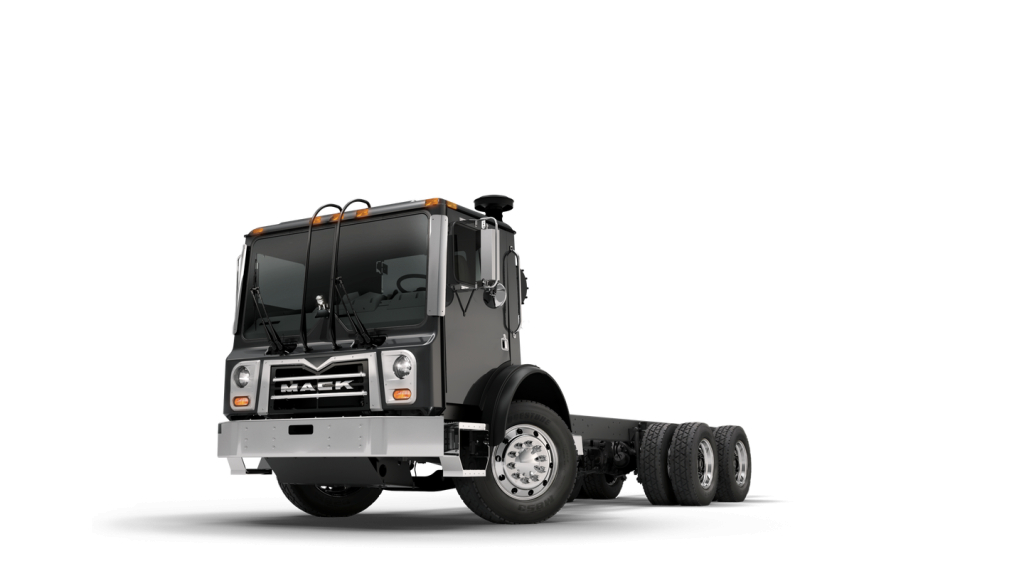
Have mack garbage truck to sell? List it here to reach thousands of buyers.
About Mack Garbage Trucks in Washington
Spec decisions should start with body type and route style. Front loaders are common in commercial dumpster service, automated side loaders are popular for residential cart routes, and rear loaders remain a versatile choice for mixed pickup and helper-based operations. Mack refuse chassis are often spec'd with Allison automatic transmissions for frequent shifting and PTO operation, along with heavy front axles, high-capacity rears, and suspension packages that can handle body weight plus compacted loads. Diesel and natural gas configurations both show up in this segment. A Cummins L9N natural gas setup can make sense for fleets working under emissions or fuel-policy requirements, while diesel trucks are still common where fueling flexibility and technician familiarity drive the decision.
On used Mack garbage trucks, condition matters more than model year alone. Buyers should look closely at PTO engagement, hydraulic pump performance, packer cycle speed, hopper floor condition, body mounts, tailgate seals, packer cylinders, and oil leaks under load. Refuse service creates chassis stress from curb strikes, constant braking, and high idle hours, so steering components, transmission behavior, axle ratings, frame condition, and suspension wear deserve a hard look. In Washington, corrosion is usually less severe than in heavy road-salt regions, but moisture exposure still makes electrical connections, body rust at wear points, and hydraulic line condition worth inspecting. Tire condition also matters because refuse trucks scrub tires hard on tight route turns.
A good Mack garbage truck spec balances payload, maneuverability, and serviceability. Check GVWR, axle spacing, rear ratio, wheelbase, and body compatibility before comparing price. Verify the cab style fits the route, the powertrain matches the stop-start duty cycle, and the body manufacturer has parts support in your service area. For municipal buyers and private haulers alike, the best unit is the one that matches route density, container type, legal weight limits, and technician support, not simply the newest chassis on the page.
Frequently Asked Questions
What Mack models are most common in garbage truck applications?
The Mack LR and LEU are among the most common Mack refuse platforms, and TerraPro-based configurations also appear in demanding vocational service. The LR is especially well known for its low-entry cab, wide visibility, and tight-turn urban suitability. Exact model choice usually depends on the body style, route density, axle requirements, and whether the truck is handling residential automated pickup, commercial containers, or mixed municipal work.
What should I inspect first on a used Mack garbage truck?
Start with the refuse body and PTO system before focusing only on the engine and mileage. Inspect packer cylinders, hopper floor wear, body cracks, tailgate seals, hydraulic leaks, PTO engagement, pump operation, and cycle times under load. Then evaluate transmission performance, steering play, suspension wear, frame condition, brake condition, and evidence of hard curb-impact use. Refuse trucks often accumulate severe duty wear that does not show up in odometer readings alone.
Are Mack garbage trucks available with natural gas engines?
Yes. Some Mack garbage truck configurations are equipped with natural gas power, often using the Cummins L9N in CNG applications. Natural gas can be a strong fit for municipal fleets or private haulers operating in regions with emissions mandates, public fleet sustainability targets, or dedicated fueling infrastructure. Buyers should confirm fuel system support, tank inspection history, range requirements, and local technician familiarity before choosing a CNG refuse truck over diesel.
What transmission is most common in a Mack refuse truck?
Allison automatic transmissions are very common in refuse applications because they handle constant stop-and-go work, PTO-driven body functions, and repeated low-speed starts well. In garbage collection, smooth low-speed control and durability under frequent shifting are usually more important than long-haul fuel economy priorities. Transmission model selection should still match GVWR, route terrain, and body type, especially on heavier front loader or tandem-axle applications.
How do I choose the right garbage truck body style on a Mack chassis?
Match the body style to the waste stream and labor model. Automated side loaders are efficient on residential cart routes with one operator, front loaders fit commercial dumpster service, and rear loaders are flexible for mixed routes and helper crews. Once the collection method is clear, confirm the Mack chassis has the correct wheelbase, axle ratings, PTO setup, and cab configuration for that body. Body compatibility and service support are just as important as engine and transmission specs.