
Used Volvo Trucks For Sale in Georgia
Find used Volvo trucks for sale in Georgia, from VNL sleepers to VNR daycabs and VHD vocational. Compare engines, I-Shift, specs, and safety tech.
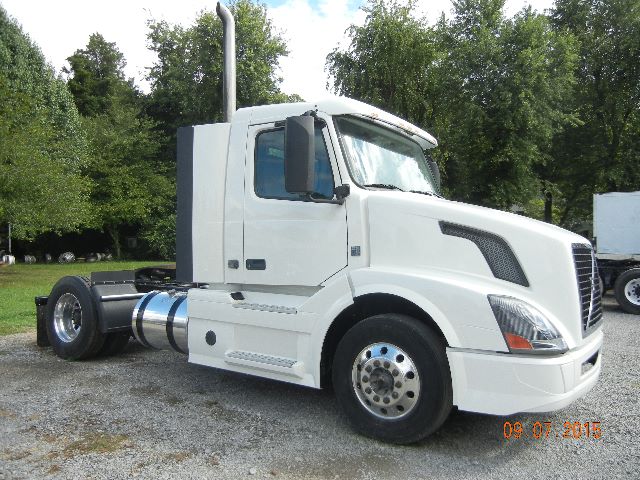

Have used volvo truck to sell? List it here to reach thousands of buyers.
Used Volvo Trucks in Georgia
Used Volvo trucks for sale in Georgia often center on the VNL series for long haul, with the 760 and 860 sleepers offering space and strong aerodynamics. The VNL 300 daycab and the newer VNR 300 or VNR 400 serve regional distribution and port drayage efficiently. For construction, aggregates, and municipal fleets, the VHD is the vocational workhorse, and the VNX targets permitted heavy haul. Common engines include the D11 for weight-sensitive regional work and the D13 at roughly 405 to 500 hp with up to 1850 lb-ft for most freight. Some older heavy-haul units may carry a D16. Nearly all late-model tractors feature the I-Shift automated manual, a plus in stop-and-go traffic and for driver retention. 2018 and newer VNLs brought a major aero and interior update, and many 2019 and newer D13TC engines add turbo-compound efficiency gains.
Cab comfort and safety are standout Volvo traits. Quiet cabs, precise steering geometry, and ergonomic controls lower fatigue on I-75 and I-20. Many used VNLs include adaptive cruise, collision mitigation, lane departure warning, and electronic stability control. Confirm the presence and calibration of Volvo Active Driver Assist and VEST, and inspect windshield-mounted radar and camera components. For sleepers, compare roof height and bunk dimensions, factory inverter, battery HVAC or APU, refrigerator prep, and workstation options. Aero packages, fairings, and cab extenders can measurably improve fuel economy at Georgia highway speeds.
Due diligence on a used Volvo semi truck should center on uptime records and aftertreatment health. Review Remote Diagnostics data if available, DPF ash load, DEF pump and dosing history, DOC condition, and any recurring NOx or sensor codes. Inspect I-Shift clutch wear percentage, transmission service intervals, driveline components, and brake and suspension bushings. Southeast units often exhibit less frame corrosion than snow-belt trucks, though coastal equipment from Savannah and Brunswick deserves a close look for aluminum oxidation and electrical grounds. Match wheelbase, fifth wheel travel, and ride height to 53-foot van and regional trailer work, and verify PTO provisions on vocational builds. With solid parts support and dealer coverage across Georgia, a well-spec’d used Volvo can deliver fuel economy, driver satisfaction, and advanced safety performance.
Frequently Asked Questions about Used Volvo Trucks in Georgia
Which Volvo model fits my application in Georgia?
For long-haul OTR, the VNL 760 and 860 sleepers balance space, aerodynamics, and fuel economy. Regional and port drayage fleets often lean toward the VNL 300 daycab or VNR 300 and VNR 400 for tight metro work and quick turns. Construction, aggregates, and municipal work call for the VHD, while the VNX is aimed at permitted heavy haul and specialized loads. Auto transporters may seek the VAH series.
What engine and transmission specs should I prioritize on a used Volvo?
The D13 at 455 to 500 hp with 1750 to 1850 lb-ft is the most common and versatile pairing, typically matched to the I-Shift automated manual for efficiency and drivability. The D11 suits lighter regional duty where weight and short-haul fuel economy matter. Some older VNLs may carry a Cummins ISX15 or X15, and older heavy-haul units may have the D16. Gear the rears to your routes, often 2.28 to 2.64 for downsped highway work, and consider I-Shift with crawler gears if you need better startability or job-site control.
What should I inspect on emissions and drivetrain before buying?
Request aftertreatment history, including DPF ash load, any forced regens, DEF pump and dosing events, and NOx sensor replacements. Check for active or recent fault codes. Evaluate I-Shift clutch wear percentage, transmission fluid service, driveline u-joints, and differential lash. A road test should include low-speed maneuvering, grade pulls if possible, and verification of adaptive cruise and collision mitigation functionality. An oil analysis and a cooling system pressure test add confidence on higher-mileage units.
Are there Georgia-specific spec considerations?
For flat interstate lanes between Atlanta, Macon, and Savannah, a downsped D13 with 2.28 to 2.64 rears and 22.5 LP tires can optimize mpg. Mixed routes into North Georgia hills or heavier GCWs may need slightly shorter gearing or crawler gears. Regional daycabs benefit from tight wheelcuts and shorter wheelbases for city deliveries. Vocational trucks often use lift axles to meet weight and bridge requirements on aggregates. Heat management matters, so verify A/C performance, radiator condition, and consider idle-reduction solutions like APUs or battery HVAC for summer months.
Do Volvo safety and uptime systems carry over on a used purchase?
Most systems remain effective if maintained. Confirm calibration for radar and camera sensors, inspect wiring and brackets, and ensure the ABS and stability control are fault-free. Remote Diagnostics history can reveal how the truck was maintained and how quickly issues were resolved. Some over-the-air updates and telematics features may require active subscriptions, so ask the seller which services are enabled and what can transfer at sale.