
2026 Volvo Trucks For Sale in Kansas
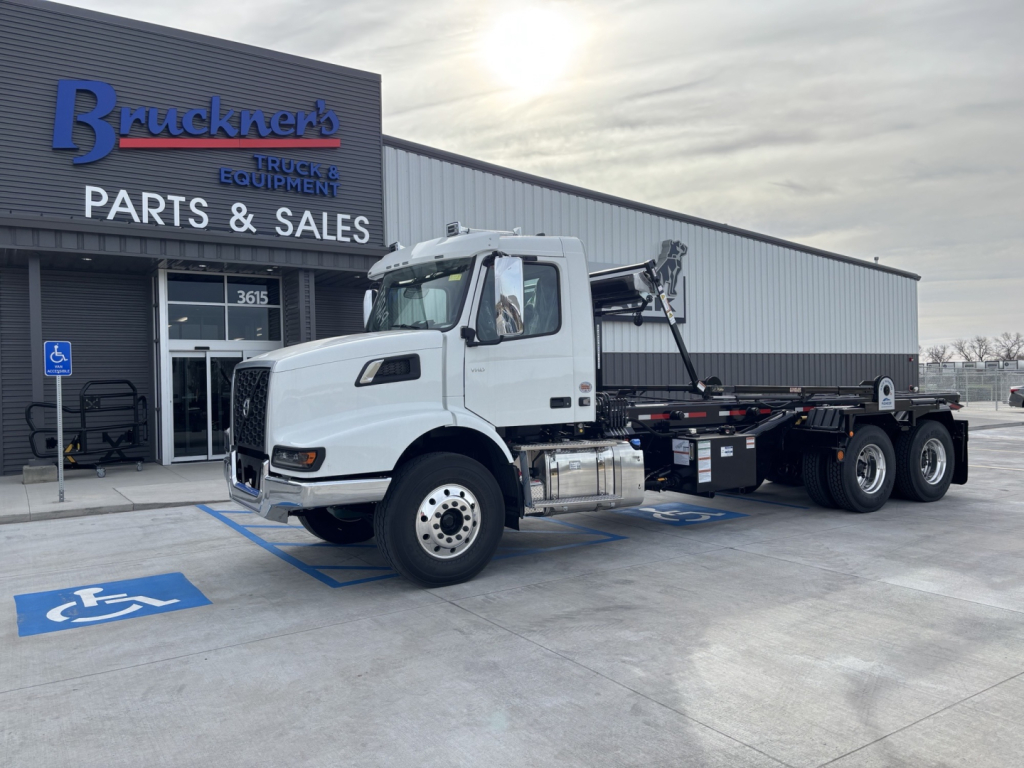
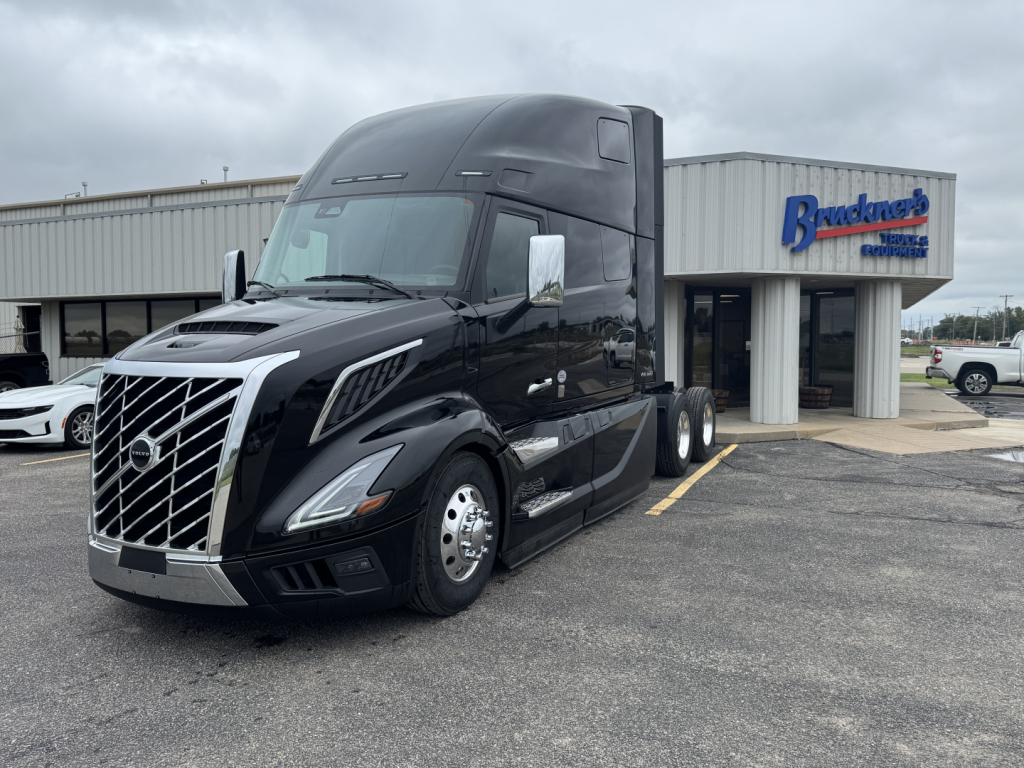
Shop 2026 Volvo trucks for sale in Kansas, including VNL sleeper, VNR day cab, and VHD vocational models built for highway and jobsite work.
Learn more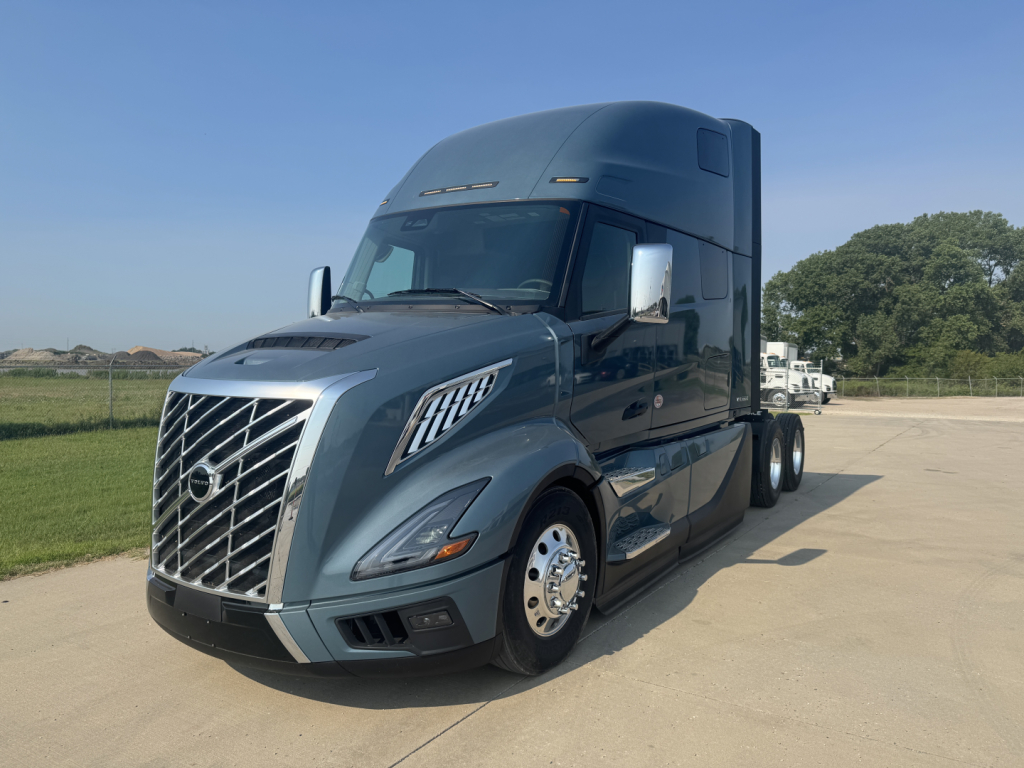
Have 2026 volvo truck to sell? List it here to reach thousands of buyers.
About 2026 Volvo Trucks in Kansas
For highway buyers, the main decision usually starts with cab style, axle layout, and engine rating. The VNL is Volvo’s flagship conventional sleeper, built for long-haul operations where aerodynamics, sleeper space, and driver retention all affect profitability. Common buyer checkpoints include roof height, bunk size, wheelbase, fuel capacity, and whether the truck is spec’d for van, reefer, flatbed, or bulk freight. Many 2026 Volvo highway tractors are paired with Volvo automated manual transmissions for smooth shifting and fuel economy, along with integrated powertrains that help with cruise logic, grade management, and service diagnostics. The VNR, also known as a regional haul tractor or day cab platform depending on spec, is typically chosen for tighter routing, shorter turns, and metro-to-rural freight lanes where maneuverability is as important as highway manners.
For vocational buyers, the VHD is the chassis to watch. It is commonly spec’d with heavier front axles, high-capacity rears, differential locks, PTO provisions, and body-builder friendly layouts for equipment such as roll-off hoists, dump bodies, and refuse packages. Buyers should pay close attention to axle ratings, suspension type, frame reinforcement, wheelbase, cab-to-axle measurement, and transmission choice. A Kansas operator running construction debris, municipal work, or agricultural support equipment may need a different spec than a fleet focused on linehaul freight out of Wichita, Kansas City, or western grain corridors. If you are comparing listings, verify gross vehicle weight rating, gross combination weight rating, fifth-wheel setup or body equipment, and whether the truck has the gearing and suspension you need for your average load and terrain.
Volvo trucks also draw attention for active safety systems, cab ergonomics, and uptime support. Buyers often look for features such as collision mitigation, lane support, adaptive cruise, premium seating, optimized dash controls, and sleeper amenities like stationary climate systems for engine-off comfort. On used or leftover inventory, service history, emissions system maintenance, and software campaign completion deserve a close review. On new 2026 models, the real value is in matching the truck’s spec to the work cycle. A properly spec’d Volvo can reduce driver fatigue, improve fuel performance, and hold up better in resale, but only if axle capacity, power, wheelbase, and application all line up with the job.
Frequently Asked Questions
What 2026 Volvo truck model is best for long-haul freight?
The 2026 Volvo VNL is generally the best fit for long-haul freight because it is designed around aerodynamics, sleeper comfort, fuel efficiency, and over-the-road driver amenities. Buyers should compare sleeper size, roof height, fuel tank capacity, axle configuration, and engine-transmission pairing to make sure the truck matches the freight lane, trailer type, and expected annual miles.
What is the difference between a Volvo VNL, VNR, and VHD?
The Volvo VNL is a conventional sleeper or highway tractor platform built mainly for over-the-road use. The VNR is typically used for regional haul, local delivery, and day cab work where maneuverability and shorter route cycles matter. The VHD is a severe-duty vocational chassis designed for heavier front axle loads, PTO-driven equipment, and body applications such as dump, roll-off, refuse, and mixer service.
What specs matter most when buying a 2026 Volvo truck in Kansas?
The most important specs usually include axle ratings, wheelbase, engine horsepower and torque, transmission type, suspension, fuel capacity, and cab configuration. Kansas buyers should also consider crosswind stability, interstate cruising efficiency, rural service access, and whether the truck will spend more time in linehaul service, regional routes, or vocational stop-and-go work.
Are Volvo automated transmissions a good choice for fleet use?
Volvo automated transmissions are a strong choice for many fleets because they support consistent shifting, fuel economy, and easier driver onboarding. They also work well with integrated engine controls and predictive cruise features. The right setup still depends on the application, especially if the truck will be used in off-road, PTO-intensive, or severe-duty vocational service where transmission programming and gearing need closer review.
What should I inspect on a vocational 2026 Volvo VHD?
On a vocational VHD, inspect the axle and suspension ratings, frame spec, differential locks, PTO setup, wheelbase, and cab-to-axle measurement before focusing on the body equipment. You should also confirm hoist or body manufacturer details, hydraulic system layout, and how the truck is rated for your expected payload. A VHD can be an excellent platform, but the chassis and body must be matched correctly for legal weight, durability, and jobsite performance.