
New Van Trucks For Sale
Expert guide to new van trucks. Compare box lengths, GVWR, gas or diesel, door styles, liftgates, air ride, and under-CDL specs for local or regional work.
No exact matches found for your search
Showing Van Trucks instead.
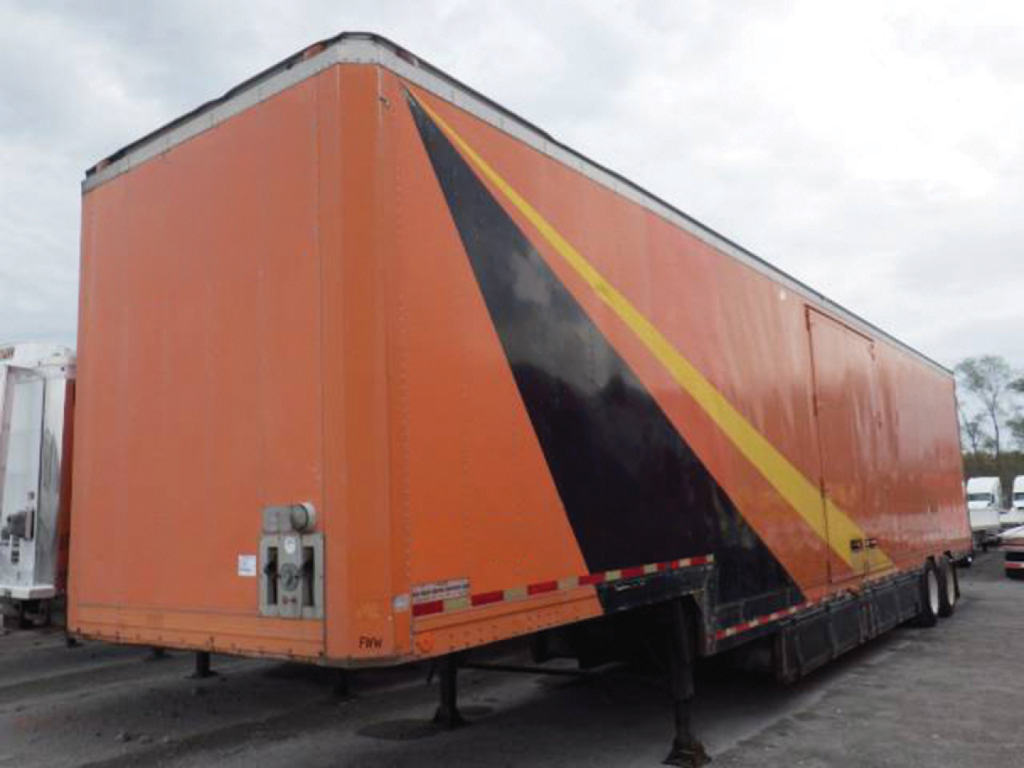
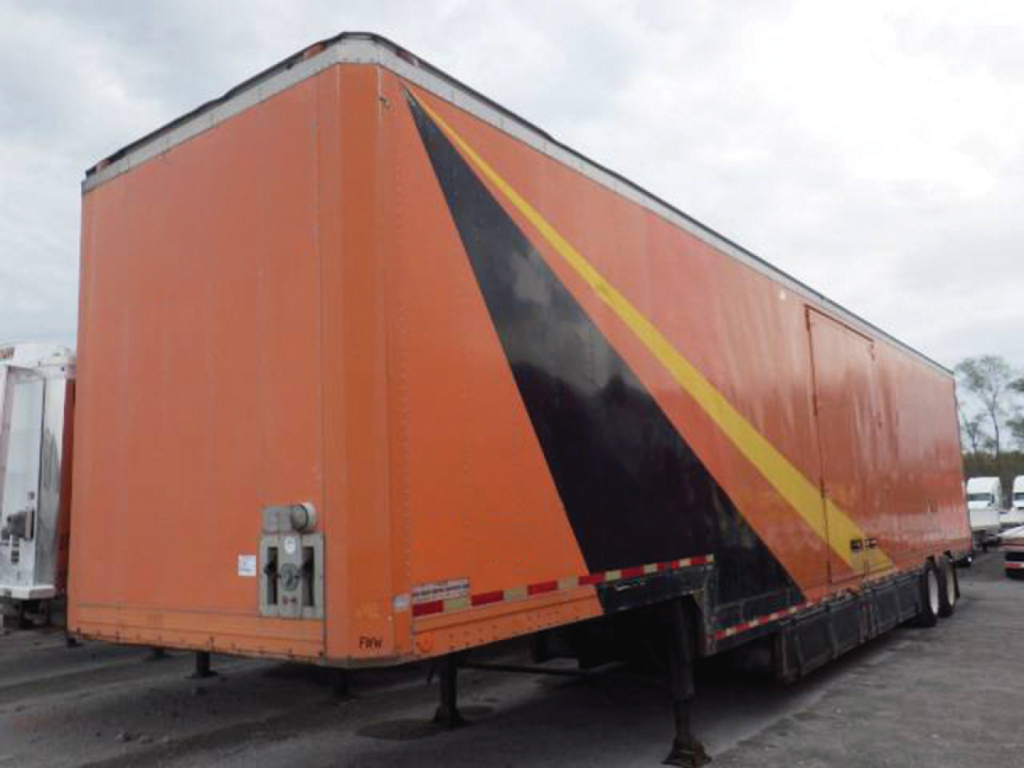
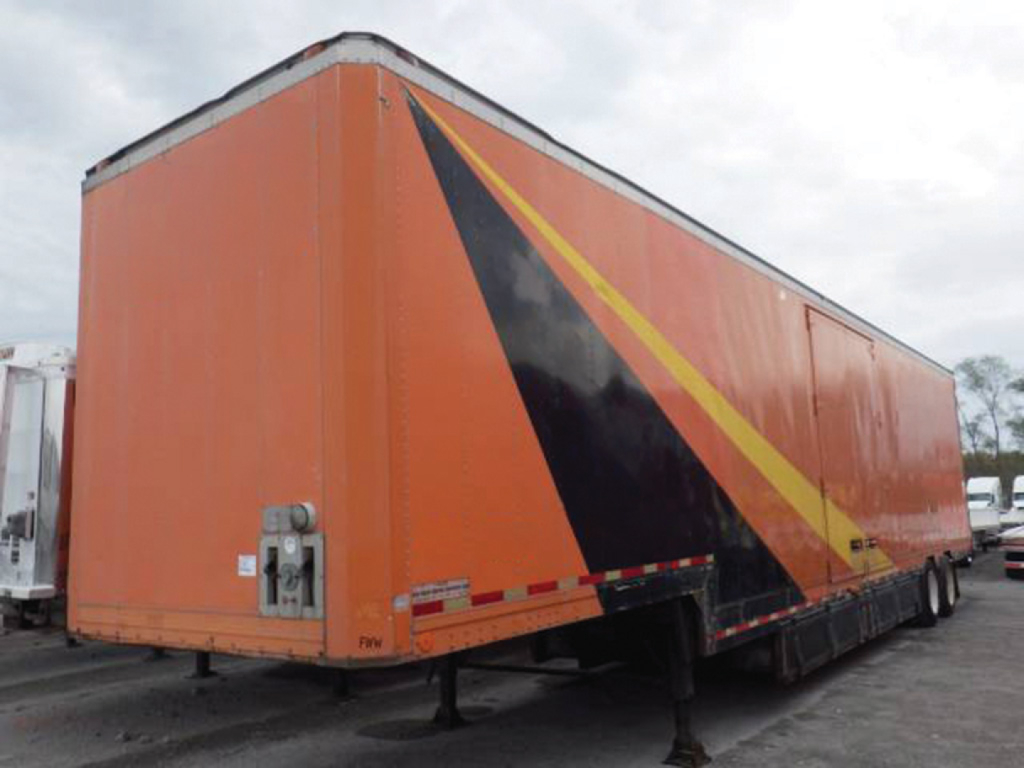
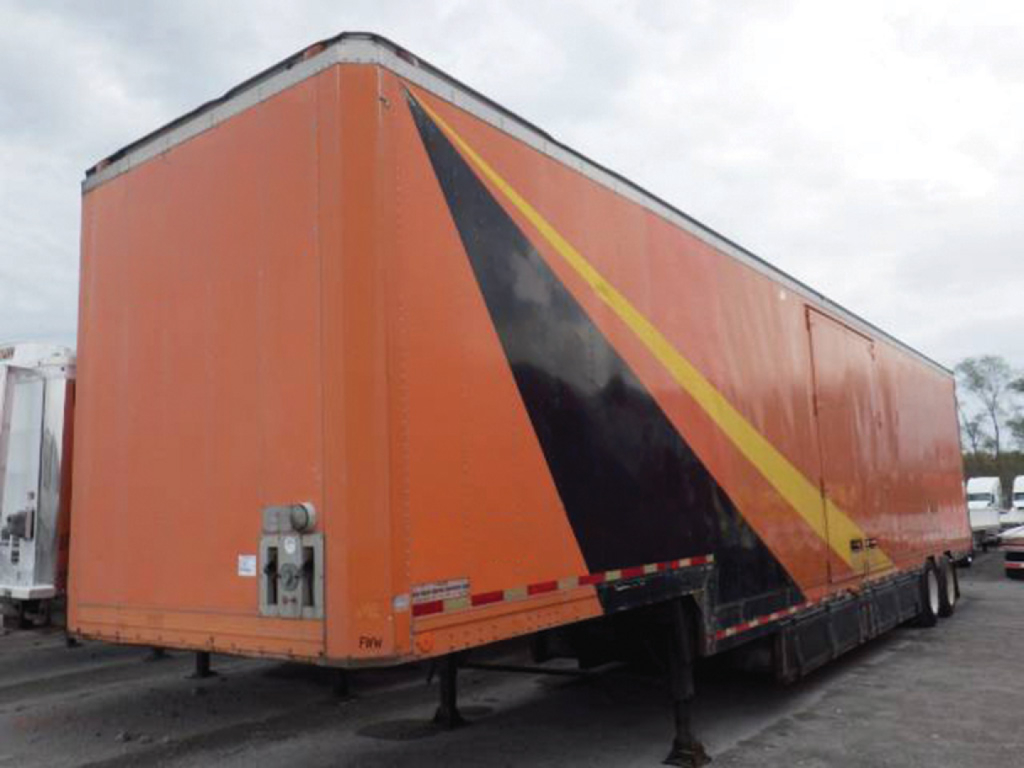
Have new van truck to sell? List it here to reach thousands of buyers.
New Van Trucks
Body construction drives weight, durability and cube. FRP panels are smooth and easy to decal but heavier than aluminum sheet-and-post. Composite and DuraPlate style walls balance weight and impact resistance. A translucent roof brightens the interior but adds heat in southern climates; aluminum roofs run cooler and resist puncture. Laminate hardwood floors at 1.125 inch with tight crossmember spacing handle pallet jacks, while extruded aluminum floors save weight but transmit more vibration. Logistics posts or E-track at 24 and 48 inches, scuff liners, threshold plates and LED cargo lights protect freight and speed turns. Decide early on door style. Roll-up doors are quick at docks and alleys but trim opening height by several inches and can leak if neglected. Swing doors seal better, provide full height and suit ramps, but require curb space.
Chassis choices center on maneuverability, uptime and fuel strategy. Gas builds cut purchase price and avoid DEF systems, ideal for low mileage or cold-stop delivery, typically paired to 6-speed automatics. Diesel 6.7 to 9 liter engines with Allison 2000 or 3000 series automatics deliver torque, engine braking and longevity for higher annual miles. Electric options are emerging for sub 150 mile routes with depot charging. Match axle ratios to cruise speed, and pick 19.5 tires for lower step-in and under-CDL payload or 22.5 tires for brake capacity and durability. Air ride smooths sensitive freight and protects floors, though steel spring is simpler and cheaper. Order a 200 amp or greater alternator and a liftgate charging system if the truck will cycle a gate all day.
Dimensions matter at the dock. A 96 inch interior width fits single pallets only; 100 to 102 inch wide bodies allow two standard pallets side by side. Interior heights run 90 to 110 inches; verify door opening height against your tallest freight. A 16 foot body commonly carries 6 to 8 pallets, 24 foot carries 10 to 12, and 26 foot up to 14 depending on pallet dimensions and wheel well intrusions. Side doors, curbside steps, grab handles, backup alarms and cameras improve driver safety on dense routes. Add a cab roof fairing if the box is taller than the cab to save fuel at highway speed. Corrosion protection, heated mirrors, block heaters and battery shutoffs pay back in northern fleets. Modern collision mitigation, lane departure and telematics help control risk and track utilization, and clean spec discipline protects resale.
Frequently Asked Questions about New Van Trucks
Do I need a CDL to drive a van truck?
A CDL is generally required for straight trucks with GVWR over 26,000 lb. That is typically a Class B license for a single vehicle. Under 26,000 lb GVWR is usually non CDL, which broadens the driver pool. Air brakes do not automatically require a CDL by themselves, but a CDL holder needs an air brake endorsement to operate air brake equipped vehicles. Always confirm state rules, medical card requirements and any intrastate restrictions.
How do I choose the right body length and width for pallets?
Match cube and dock needs to your freight. A 96 inch interior width carries single pallets only. Bodies 100 to 102 inches wide allow two 40 by 48 inch pallets side by side. As a rule of thumb, a 16 foot body handles 6 to 8 pallets, a 24 foot handles 10 to 12, and a 26 foot up to 14, depending on pallet orientation and wheel well intrusions. Verify interior height and door opening height against your tallest stack. If you load at docks, spec dock height and a compatible rear overhang for liftgate use.
What are the trade offs between roll-up and swing rear doors?
Roll-up doors are fast to operate in tight alleys and at busy docks and keep the door out of traffic, but they reduce the rear opening height by several inches and have more moving parts to maintain. Swing doors provide the full opening height, seal better against weather and are ideal with ramps or where you need maximum clearance, but they require space to swing and are less convenient in crowded curbside delivery.
Should I choose gas, diesel or electric for a new box truck?
Gas engines offer lower upfront cost, simpler emissions hardware and quick warm up for short, stop heavy routes. Diesel brings higher torque, better fuel economy and longevity for higher annual miles and heavier payloads, with the trade off of DEF and aftertreatment maintenance. Battery electric suits predictable sub 150 mile urban routes with depot charging, quiet operation and fewer moving parts, but requires charging infrastructure, payload planning and route discipline.
Which liftgate type and capacity is best for my operation?
Tuck-under liftgates store under the rear and keep swing doors usable, making them versatile for mixed dock and curb work. Rail gates and column gates offer larger, deeper platforms and higher capacities for bulky freight but can block dock use and add weight. Capacity commonly ranges from 2,000 to 5,500 lb. Size the platform to your largest pallet jack, confirm bed height range, and spec a dedicated liftgate battery pack with a high output alternator and auto charging to prevent downtime.