
2016 Vacuum Trucks For Sale in Florida
Browse 2016 vacuum trucks for sale in Florida, including combo vacuum jetter and hydro-excavation units with common specs, capacities, and buyer tips.
Learn more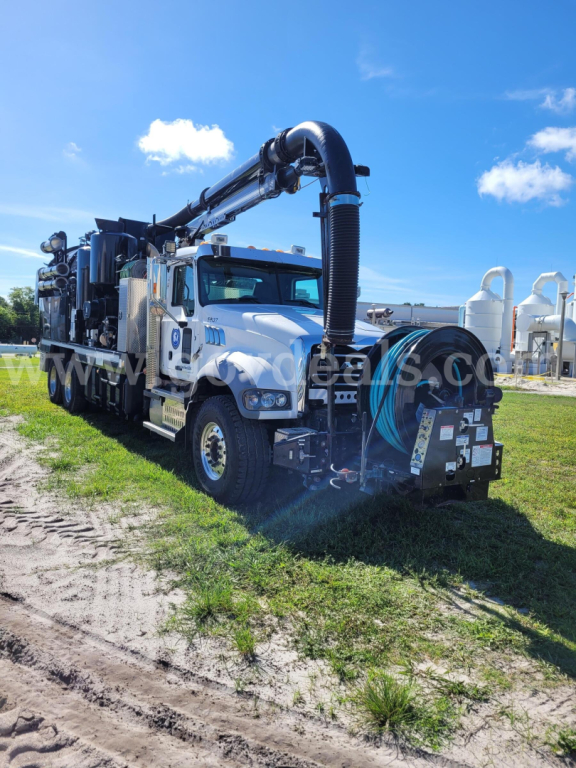
Have 2016 vacuum truck to sell? List it here to reach thousands of buyers.
About 2016 Vacuum Trucks in Florida
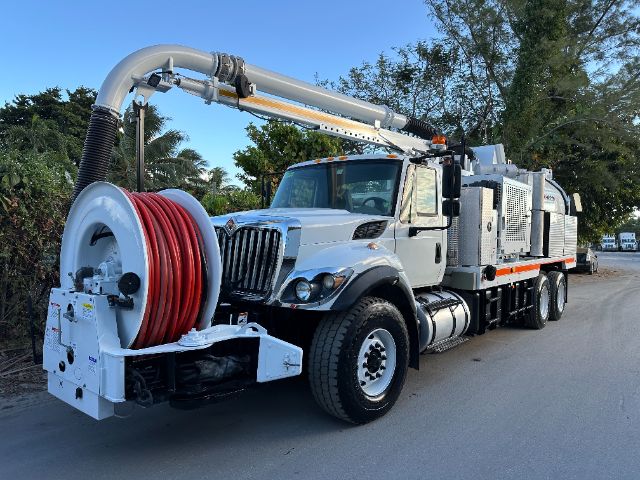
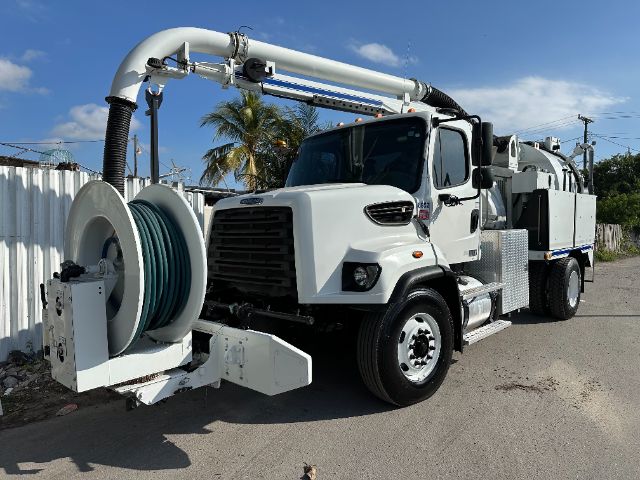
The first decision is usually application-specific. A straight vacuum truck is built primarily for material pickup and disposal, while a combo unit adds a water pump and jetting system for line cleaning. Hydro-excavation packages often include a boom, hose reel, heated or insulated water components in colder regions, and controls designed for precision digging. On 2016 units, buyers will often see municipal-spec chassis such as Mack GU, Freightliner M2 or 114SD, and International severe-duty platforms. Automatic transmissions are common, and diesel engines in the medium-duty to heavy-duty range are typical because PTO-driven blowers, pumps, and hydraulic systems demand reliable torque and stable idle performance.
Condition on a used 2016 vacuum truck is about more than miles. Engine hours, PTO hours, blower condition, pump output, tank integrity, and door seal performance matter just as much. A truck with moderate road miles but high vacuum or jetting hours may have seen intensive daily service. Check blower make and model, pressure and flow ratings, debris tank capacity, freshwater tank material, boom operation, hose reel function, hydraulic locks, dump hoist performance, and rear door sealing surfaces. On ex-municipal trucks, maintenance histories can be a plus, but buyers should still inspect the subframe, tank supports, valves, plumbing, and signs of corrosion or abrasion from abrasive material handling. In Florida, salt air and humidity make rust prevention, electrical condition, and lighting reliability worth a closer look.
The right 2016 vacuum truck depends on route density, disposal access, and the type of material being recovered. A 10-yard unit can be easier to maneuver in urban utility work, while a 12- to 15-yard body better suits municipal line cleaning and higher-volume debris collection. Buyers comparing listings should match GVWR, axle configuration, hose reel placement, boom style, and water pump specs to the work they actually run. If the truck will be used for sewer cleaning, jetting performance in GPM and PSI is critical. If it will spend more time on excavation or sludge removal, blower performance, usable tank volume, and loading efficiency should take priority.
Frequently Asked Questions
What should I look for first on a 2016 vacuum truck?
Start with the body and vacuum system, not just the cab and chassis. Debris tank condition, blower performance, pump ratings, PTO hours, hydraulic function, hose reels, boom operation, and rear door sealing all affect productivity and repair costs. A clean-running chassis is important, but vacuum truck value is heavily tied to the condition of the mounted equipment.
What is the difference between a vacuum truck and a combo vacuum jetter truck?
A vacuum truck is primarily designed to collect and transport wet or dry material using a vacuum system and debris tank. A combo vacuum jetter truck adds a high-pressure water system that can clean sewer lines and break up obstructions before vacuum recovery. Combo units are common for municipal sewer and storm drain work because one truck can jet, clean, and remove debris in a single operation.
Are ex-municipal 2016 vacuum trucks a good buy?
They can be, especially when service records are available and the truck was maintained on a preventive schedule. Many municipal units receive regular inspections and scheduled repairs, which helps chassis reliability. The tradeoff is that they may have substantial idle time, PTO hours, and repetitive stop-and-go use, so buyers should evaluate hours, blower wear, pump condition, hydraulic components, and tank structure carefully.
What debris body and water capacity is typical on a 2016 vacuum truck?
Many 2016 combo units fall in the 10- to 15-yard debris body range with freshwater tanks from about 900 to 1,500 gallons. Smaller bodies can be easier to maneuver on tight streets or utility jobs, while larger tanks reduce dump cycles and improve production on municipal cleaning routes. The best size depends on disposal distance, access, and how much jetting versus vacuum recovery the truck will handle.
Why do PTO hours matter on a used vacuum truck?
PTO hours show how long the vacuum, jetting, and hydraulic systems have actually been working. A truck may show moderate road miles but still have significant wear on the blower, water pump, and related driveline components if PTO time is high. Comparing engine hours, PTO hours, and maintenance records gives a more accurate picture of total equipment use than odometer mileage alone.