
2016 Vacuum Trucks For Sale
Shop 2016 vacuum trucks for sewer cleaning, hydro excavation, and industrial cleanup with key specs on tanks, blowers, pumps, and chassis.
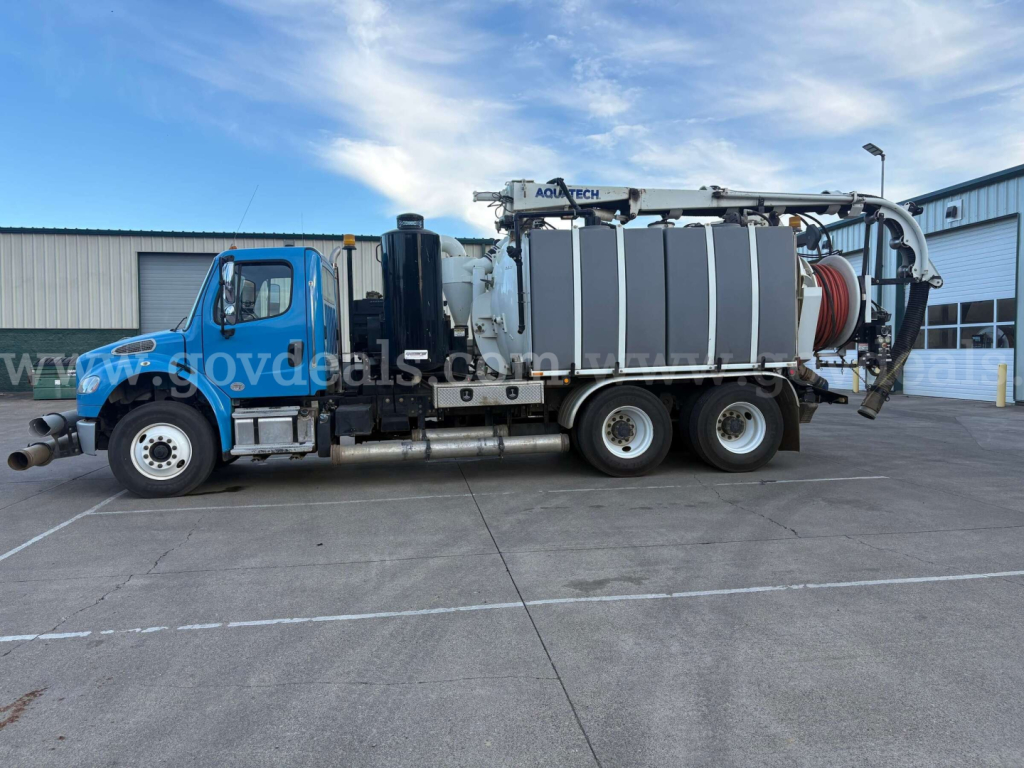
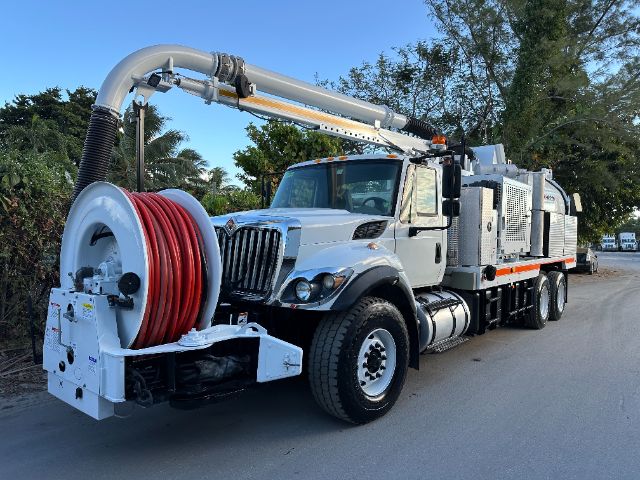
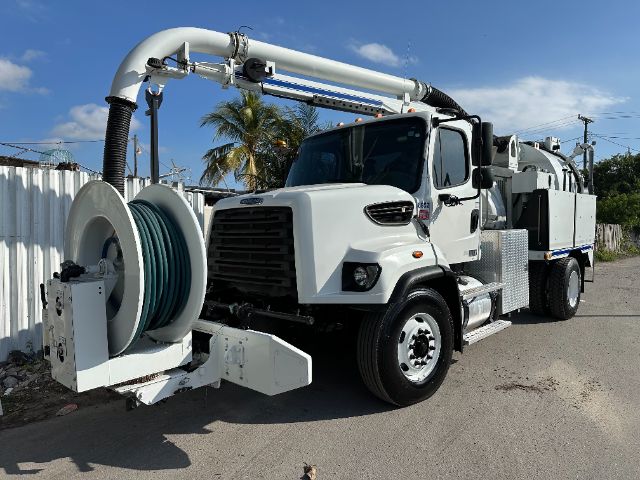
Selling a 2016 vacuum truck? List your 2016 vacuum truck for sale and reach thousands of commercial buyers.
2016 Vacuum Trucks
The first buying decision is application. For sewer maintenance and catch basin work, a combo unit with a high-pressure water pump and vacuum system is usually the right fit. Common pump ratings in this age range are around 50 to 80 GPM, often paired with 2,500 to 3,000 PSI, which is enough for municipal line cleaning, lift station work, and general utility flushing. For hydro excavation, the buyer should pay closer attention to vacuum source, hose reel setup, water heating system if equipped, and how the body layout supports spoil removal. Positive displacement blowers generally suit deeper excavation and longer hose runs, while fan units are often favored for faster air movement and production on shorter, lighter jobs.
On a 2016 vacuum truck, chassis condition matters as much as body condition. Engine hours, PTO engagement hours, blower hours, and pump service history often tell more than odometer mileage alone. Automatic transmissions are common and work well in stop-and-go municipal or utility service. Buyers should also inspect the debris tank or body for corrosion, check rear door seals and hydraulic locks, and verify condition of the boom, hose reels, filtration system, and dump hoist. Ex-municipal trucks can be attractive because they are often serviced on schedule, but they may also have high idle time and heavy stationary operating hours that put wear on the vacuum package.
A good 2016 model should still offer practical features that affect daily uptime, including hydraulic hose reels, rear-mounted reels, dump bodies, and accessible cleanout points. It is worth confirming axle ratings and GVWR against the truck's intended payload, especially on units with larger debris bodies or full freshwater tanks. Parts support is generally still strong for major chassis and body manufacturers from this period, which helps keep older vacuum trucks productive in sewer cleaning, septic work, utility daylighting, storm drain maintenance, and industrial cleanup. The right truck is usually the one with a vacuum package matched to the job, documented service history, and a body layout that reduces setup time on every stop.
Frequently Asked Questions about 2016 Vacuum Trucks
What should I look at first on a 2016 vacuum truck?
Start with the vacuum package and service history, not just the chassis mileage. On a used vacuum truck, pump hours, blower or fan condition, PTO operation, hydraulic system health, and debris body condition usually determine repair exposure faster than the odometer. Check tank corrosion, rear door seals, hose reels, filtration components, and signs of carryover or moisture damage in the blower system.
What is the difference between a vacuum jetter combo truck and a hydrovac?
A vacuum jetter combo truck is primarily configured for sewer and drain cleaning, combining a vacuum system with a high-pressure water pump to break up and remove debris from lines and structures. A hydrovac is built more for non-destructive excavation and utility exposure, using pressurized water and vacuum recovery to daylight buried infrastructure. Some equipment overlaps, but tank layout, water system design, boom arrangement, and vacuum source are usually tailored to one type of work or the other.
Are 2016 vacuum trucks still practical for municipal or contractor fleets?
Yes, if maintenance has been consistent and the vacuum body is structurally sound. A 2016 truck is new enough that parts support is still available for many chassis, transmissions, pumps, and blower systems, but old enough to offer a lower acquisition cost than newer units. The real value depends on remaining life in the vacuum package, corrosion level, and whether the truck's tank size, water capacity, and vacuum system match the intended route or job cycle.
Is mileage or engine hours more important on a vacuum truck?
Both matter, but engine hours and equipment hours are often more important on vacuum trucks because these units spend a lot of time operating while stationary. Municipal sewer cleaners and hydrovacs can accumulate significant idle and PTO time even with moderate road mileage. A truck with lower miles but very high operating hours may show more wear in the engine, hydraulic system, blower, and pump than the odometer suggests.
What vacuum system is better, a positive displacement blower or a fan system?
That depends on the work. A positive displacement blower is generally preferred for deeper excavation, heavier material, and longer hose runs because it maintains suction well under demanding conditions. A fan system typically moves a high volume of air and can be very productive for lighter material and shorter-distance excavation. The best choice comes down to excavation depth, material type, hose length, and how the truck is used day to day.