
Peterbilt Vacuum Tank Trucks For Sale
Shop Peterbilt vacuum tank trucks with info on tank sizes, PTO systems, pump setups, axle ratings, and common municipal and industrial uses.
No exact matches found for your search
Showing Vacuum Tank Trucks instead.
Selling a peterbilt vacuum tank truck? List your peterbilt vacuum tank truck for sale and reach thousands of commercial buyers.
Peterbilt Vacuum Tank Trucks
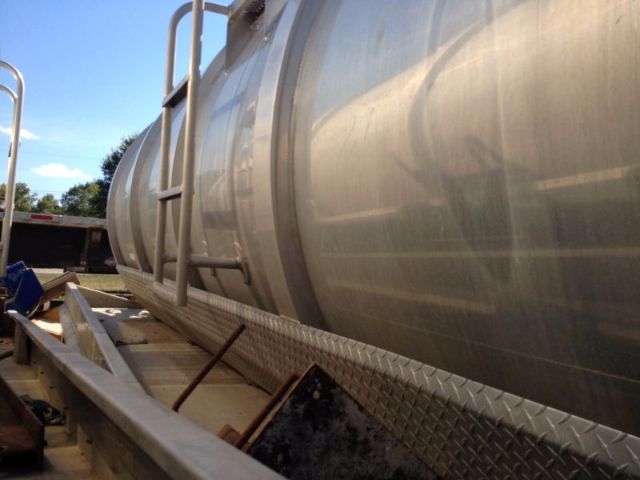
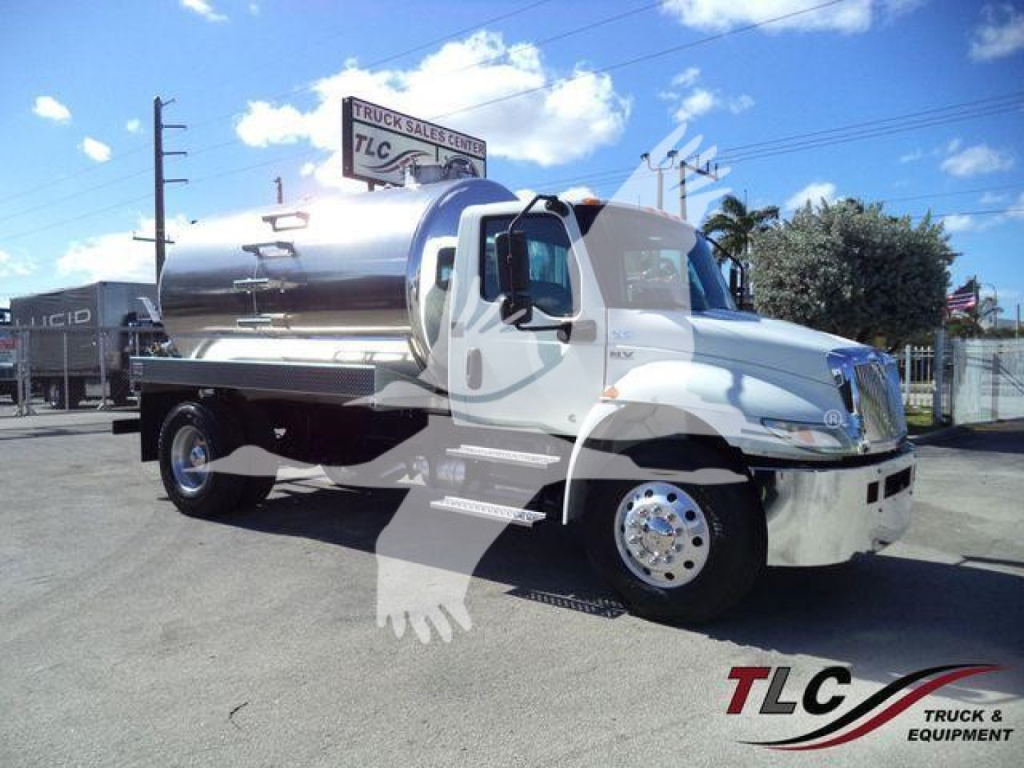
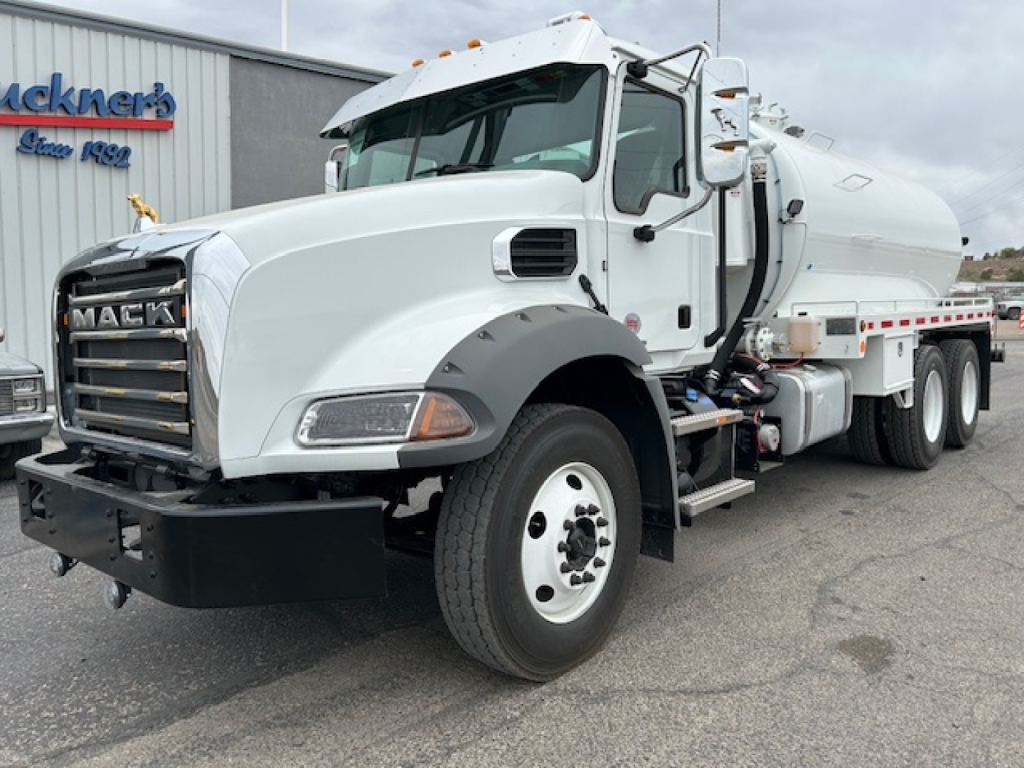
Tank capacity, material, and compartment layout drive most of the buying decision in this category. Common setups include carbon steel or stainless tanks, straight vacuum tanks or combination sewer cleaner bodies, and units with separate clean water capacity for jetting work. Look closely at tank gallon rating, vacuum pump brand and CFM, pressure capability, boom or hose reel arrangement, and PTO-driven versus auxiliary power systems. On heavier units, front axle capacity, suspension spec, wheelbase, and bridge compliance matter just as much as pump performance because a full tank changes the truck's handling and legal payload quickly.
Peterbilt vacuum trucks are often configured on vocational chassis with diesel engines from Cummins and transmissions from Allison or Eaton, depending on the application. Automatic transmissions are common in municipal and stop-and-go service, while some industrial or regional operators still prefer manual gearboxes. A buyer should inspect pump hours separately from chassis miles, along with the condition of seals, valves, hoses, tank interior, and rear door hardware. If the truck has been used for corrosive material, sludge, or harsh industrial waste, tank lining condition and evidence of pitting or repairs are critical. On combination units, water pump condition, jetter plumbing, and hose reel function deserve the same attention as the vacuum side.
The best Peterbilt vacuum tank truck for sale depends on the work cycle. Septic and grease route trucks need good maneuverability and practical tank volume. Municipal sewer units often need combination jet-vac capability, higher water pressure, and operator-friendly controls. Industrial vacuum applications may call for heavier chassis ratings, more robust filtration, and stainless construction. Buyers comparing listings should pay close attention to usable tank capacity, pump specifications, axle ratings, emissions system status, and how the body was maintained, because those details have more impact on long-term value than cab cosmetics alone.
Frequently Asked Questions about Peterbilt Vacuum Tank Trucks
What should I check first on a used Peterbilt vacuum tank truck?
Start with the vacuum pump, tank condition, and PTO system because those components define the truck's working value. Confirm tank capacity, inspect the interior for corrosion or patch repairs, and check the rear door seal, hinges, and locking hardware. Review pump hours if available, listen for abnormal noise, and inspect hoses, valves, filtration components, and controls. Chassis miles matter, but body and pump condition usually determine the real cost of putting a vacuum truck back into service.
What is the difference between a straight vacuum truck and a combination sewer cleaner?
A straight vacuum truck is designed mainly to suction and haul liquids, sludge, and waste. A combination sewer cleaner adds a water system with a high-pressure pump, hose reel, and water tank so it can jet lines and then vacuum debris. Combination units are more versatile for municipal sewer work, catch basin cleaning, and storm system maintenance, but they are more complex and typically heavier and more expensive to maintain.
Are Peterbilt vacuum tank trucks good for municipal and industrial work?
Yes. Peterbilt vocational chassis are commonly used in municipal sewer service, septic pumping, utility support, refinery work, and industrial cleanup. The appeal is usually chassis durability, parts support, and compatibility with specialized body builders. The right fit depends on axle ratings, wheelbase, engine and transmission setup, and whether the body is built for standard liquid waste, corrosive material, or combination jet-vac service.
How important are axle ratings on a vacuum tank truck?
Axle ratings are critical because vacuum trucks gain weight fast when the tank is full. A truck can have plenty of pump capacity but still be limited by front axle, rear axle, or bridge law constraints. Buyers should compare GVWR, tank gallon rating, chassis wheelbase, and intended material density to avoid ending up with a truck that cannot legally carry a practical load in its operating area.
What tank material is best for a vacuum tank truck?
Carbon steel is common and cost-effective for general septic, sewer, and municipal work, but stainless steel is often preferred for corrosive or harsh industrial material. The best choice depends on what the truck will haul, how often it will be washed out, and the expected service environment. Material choice affects purchase price, repair cost, long-term durability, and resale appeal.