
Freightliner Vacuum Tank Trucks For Sale
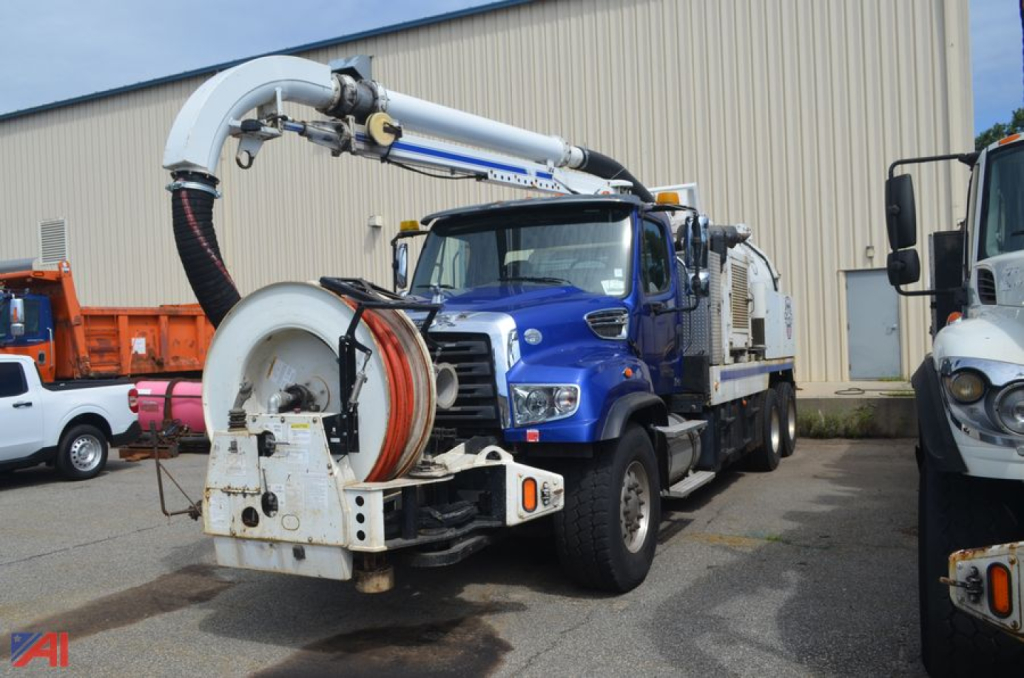
Have freightliner vacuum tank truck to sell? List it here to reach thousands of buyers.
Freightliner Vacuum Tank Trucks
Frequently Asked Questions about Freightliner Vacuum Tank Trucks
What should I look at first when buying a Freightliner vacuum tank truck?
Start with the vacuum system, not just the truck chassis. Confirm the tank capacity, blower type, pressure and vacuum ratings, pump hours if available, and the condition of the tank, boom, hose reels, seals, valves, and plumbing. On used units, corrosion inside the tank, rust around mounts, worn PTO components, and issues with the water system can matter more than cab cosmetics. Then review the Freightliner chassis details such as engine, transmission, axle ratings, wheelbase, and brake configuration to make sure the truck can legally and efficiently carry a full load in your operating area.
Are Freightliner M2 vacuum trucks a good fit for municipal and contractor use?
Yes. The Freightliner M2 platform is a common choice for municipal fleets and private contractors because it offers good parts availability, familiar service procedures, and a wide range of GVWR and wheelbase options. That makes it suitable for sewer maintenance, septic pumping, grease trap service, storm drain cleaning, and some hydro excavation applications. The actual fit depends on the body and vacuum package, but the M2 chassis is widely used because it balances maneuverability, body-builder compatibility, and service access.
What is the difference between a vacuum tank truck and a combo sewer cleaner?
A vacuum tank truck is primarily designed to suction and transport liquid waste, sludge, and debris into a tank. A combo sewer cleaner adds a high-pressure water system used to jet sewer lines and move material toward the suction point. Many buyers use the terms loosely, but the distinction matters when comparing listings. If your work includes line jetting, root cutting support, or storm sewer cleaning, you need to evaluate water tank capacity, water pump performance, hose reel setup, and jetting controls in addition to vacuum capability.
How important is tank material and tank condition on a used vacuum truck?
It is one of the most important factors on the truck. Tank material, internal coating, and overall condition affect longevity, legal operation, and the kinds of waste the truck can handle. Steel tanks are common, but corrosion can become a major cost issue, especially around seams, baffles, rear door seals, and fittings. Buyers should inspect the tank interior if possible, check for patchwork repairs, and verify the condition of the rear door, locking mechanism, hydraulic hoist, and any pressure or vacuum relief components.
What chassis specs matter most on a Freightliner vacuum tank truck?
Pay close attention to GVWR, front and rear axle ratings, wheelbase, engine output, transmission type, PTO compatibility, suspension, and brake setup. Vacuum tank trucks carry shifting liquid loads and can get heavy quickly, so axle capacity and legal payload are critical. A shorter wheelbase can help in alleys and urban service calls, while a longer wheelbase may support larger tanks and more stable body layouts. Engine and PTO performance also matter because the truck has to power the vacuum equipment reliably while idling for long periods on job sites.