
Trucks For Sale Near Vacaville, California

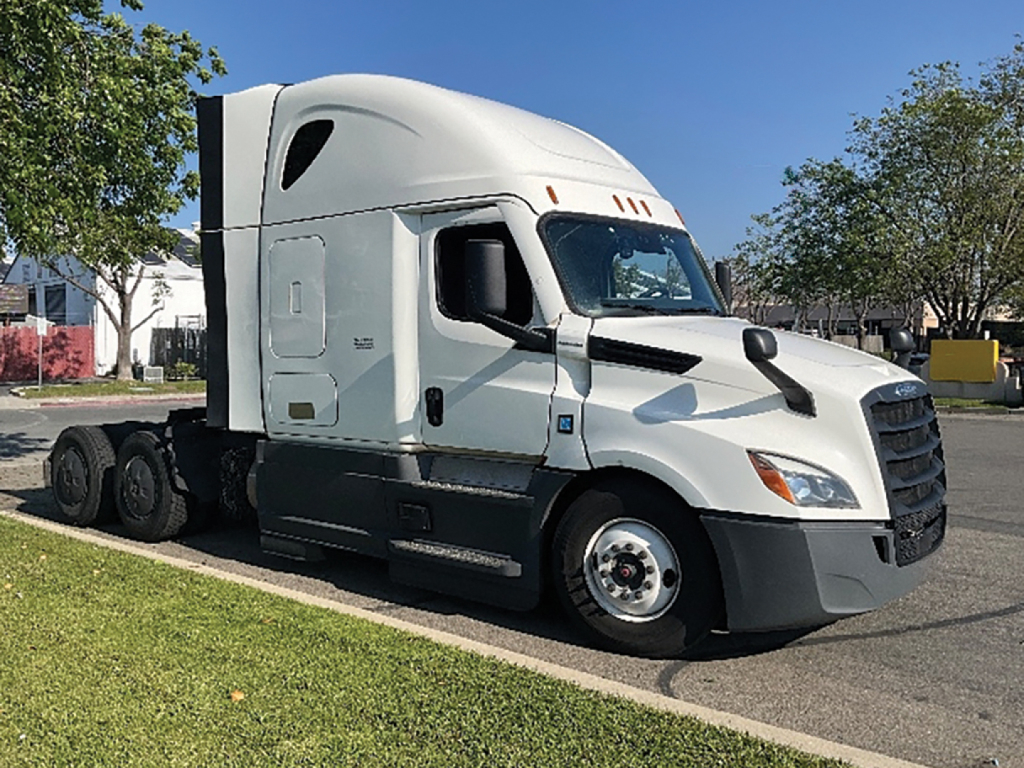
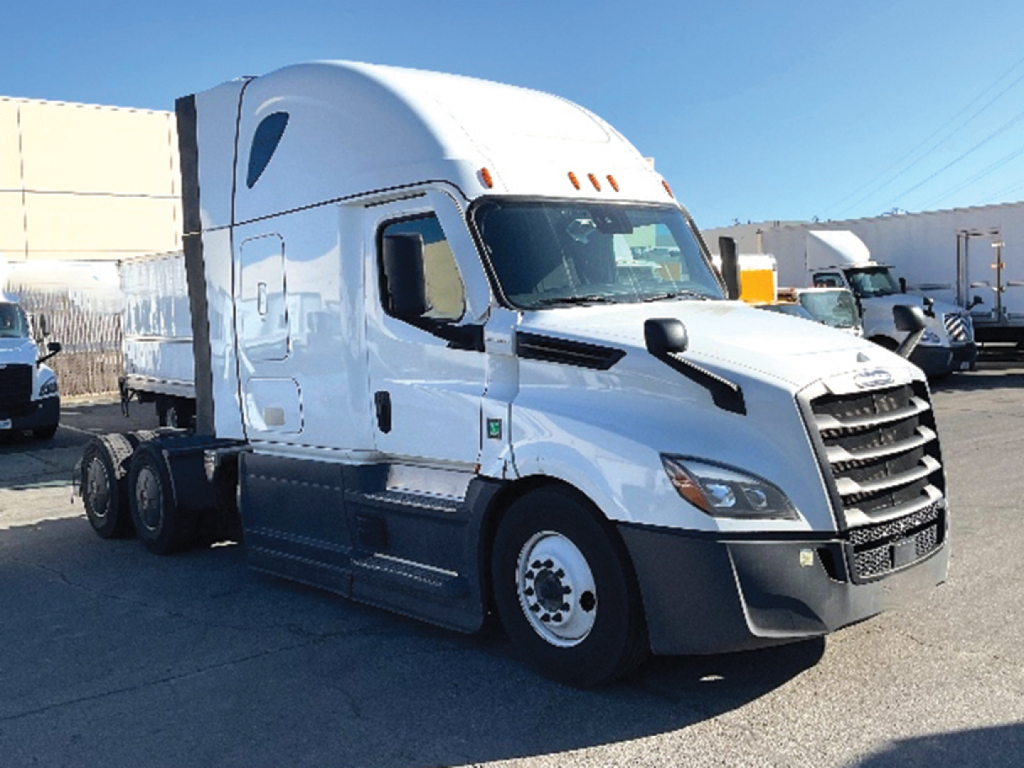
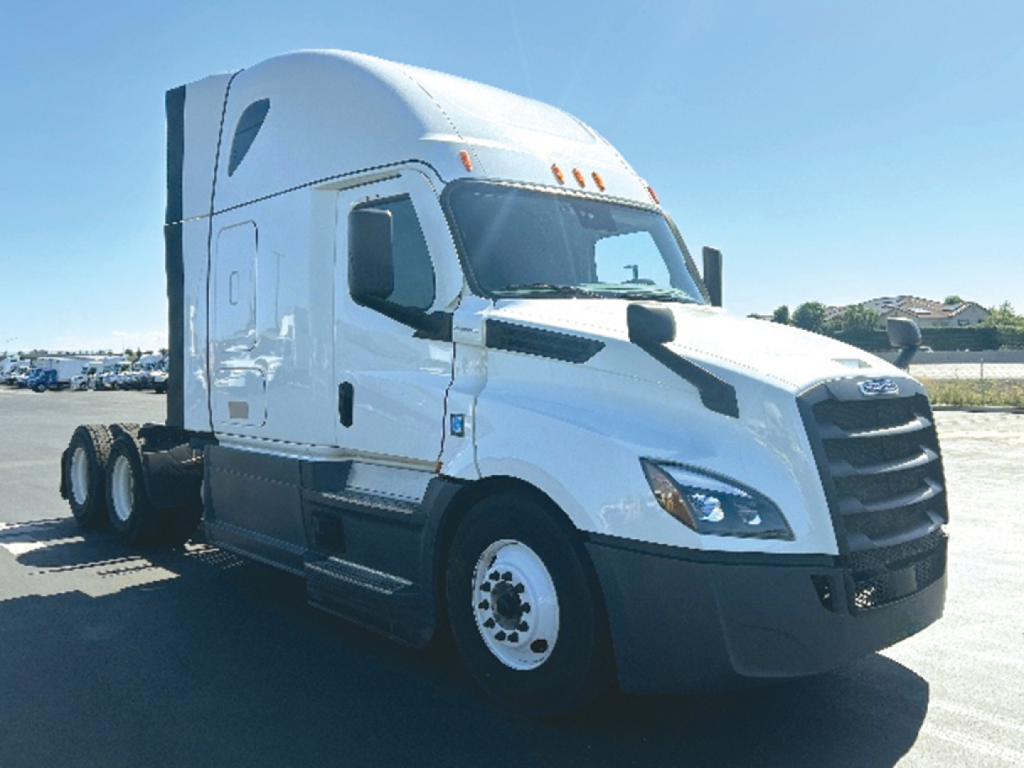
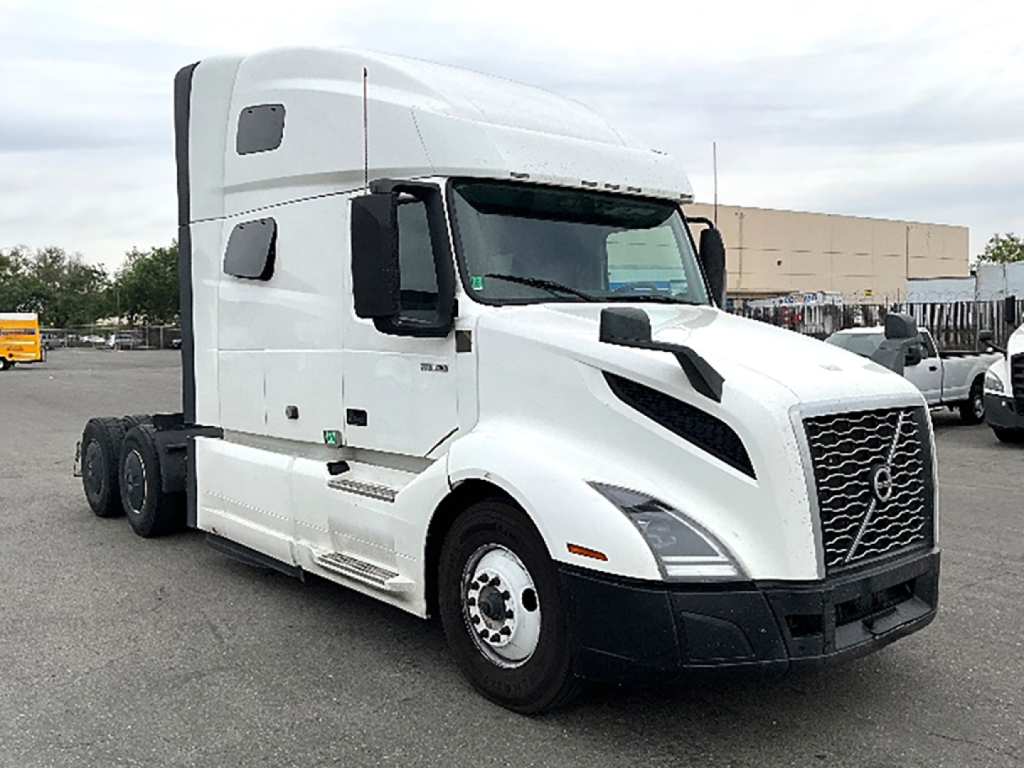
Showing 25 to 41 of 41 results
Have truck to sell? List it here to reach thousands of buyers.
Trucks Near Vacaville, California
Powertrain choice drives operating cost more than almost any other spec. In this market, it is common to see late-model trucks with engines such as the Volvo D13, Detroit DD15, and Cummins L9, usually paired with automated manual transmissions like the Volvo I-Shift or Detroit DT12, though some medium-duty and vocational setups still use manual gearboxes. Highway tractors commonly fall in the 425 to 505 horsepower range with 2.47 to 2.85 rear axle ratios for fuel-efficient linehaul work, while straight trucks and local vocational units often use deeper ratios such as 4.63 for better launch and low-speed performance. Buyers should also compare rear axle ratings, suspension type, engine brake performance, and wheelbase because those specs directly affect payload, maneuverability, and trailer compatibility.
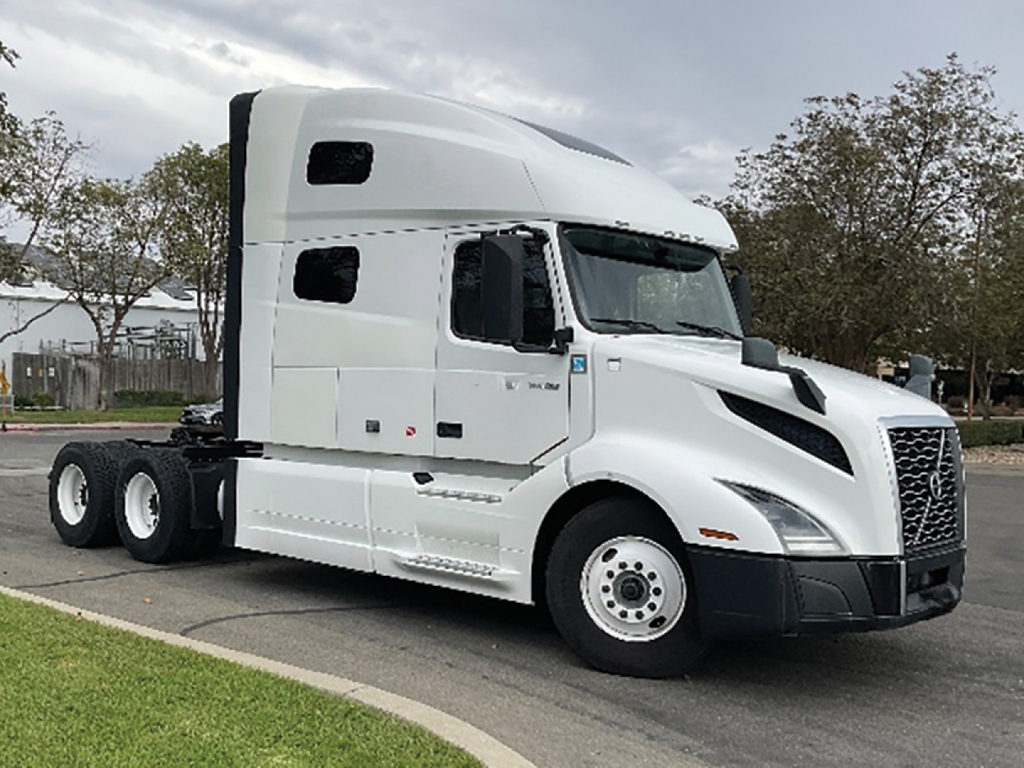
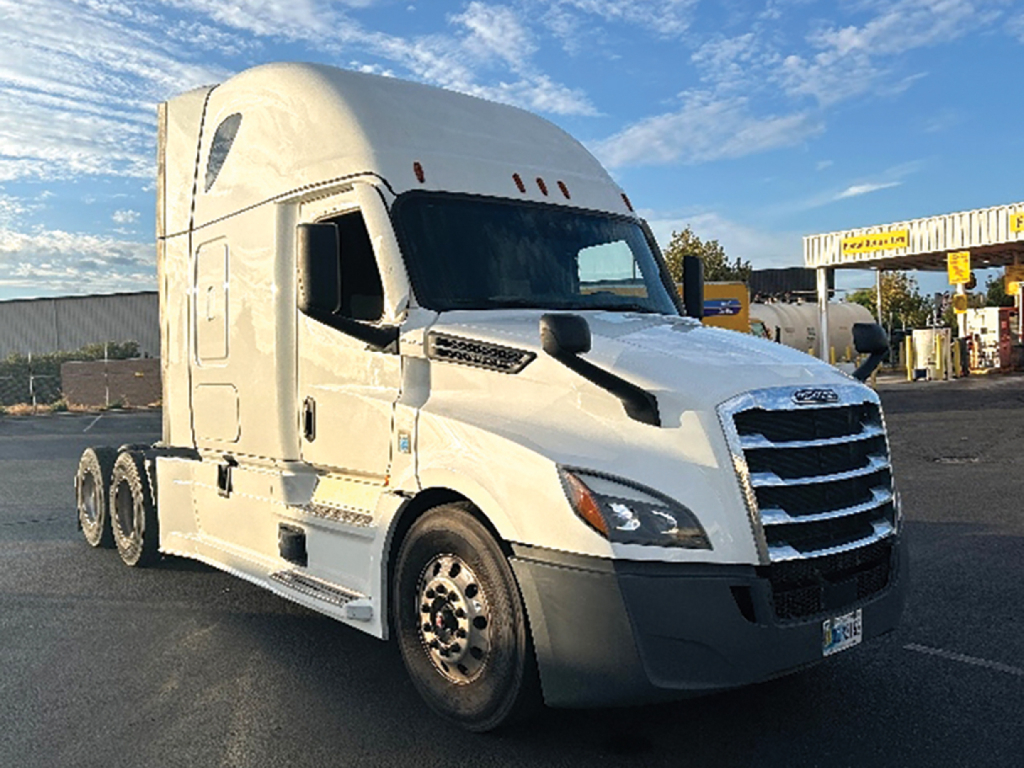
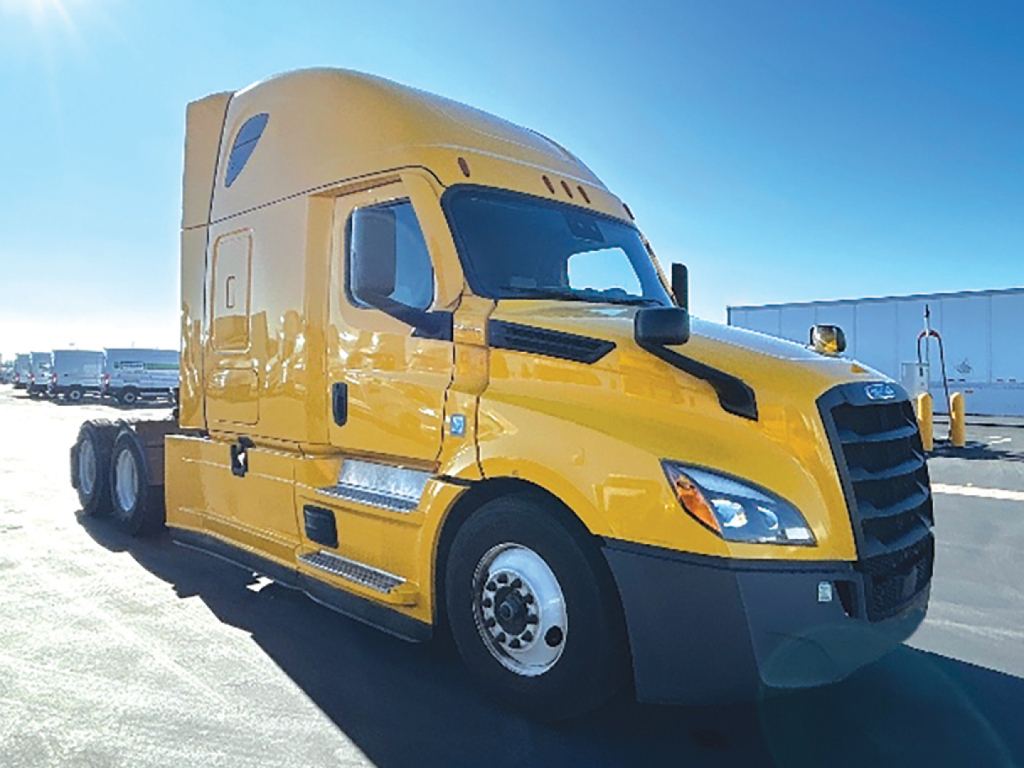
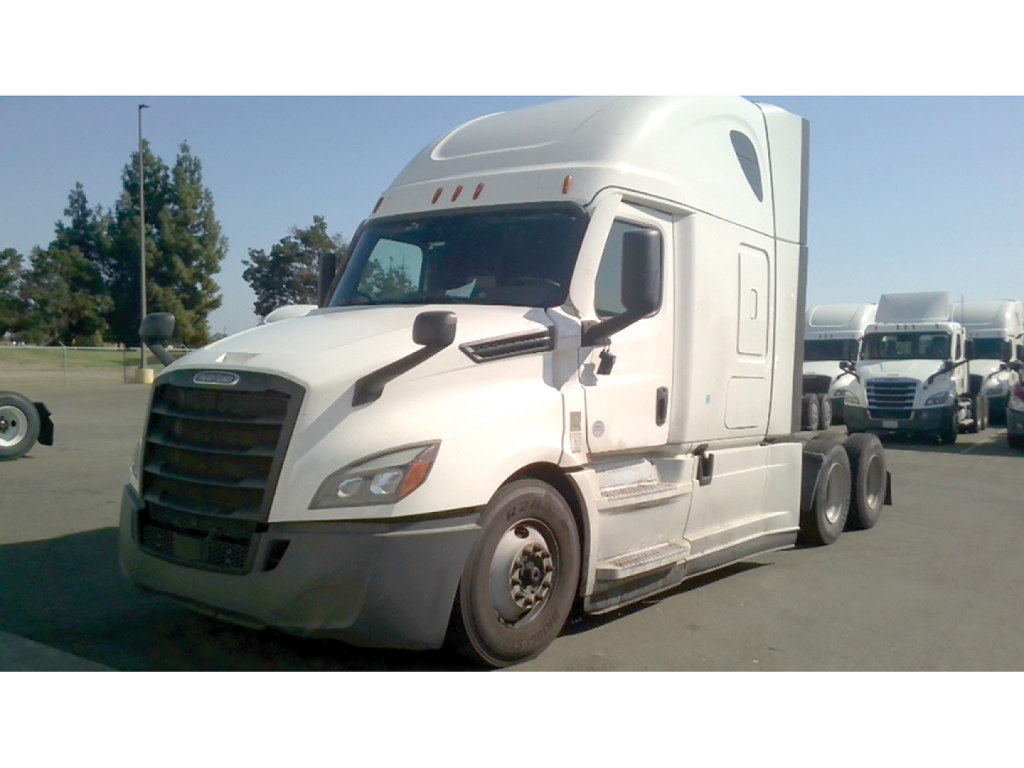
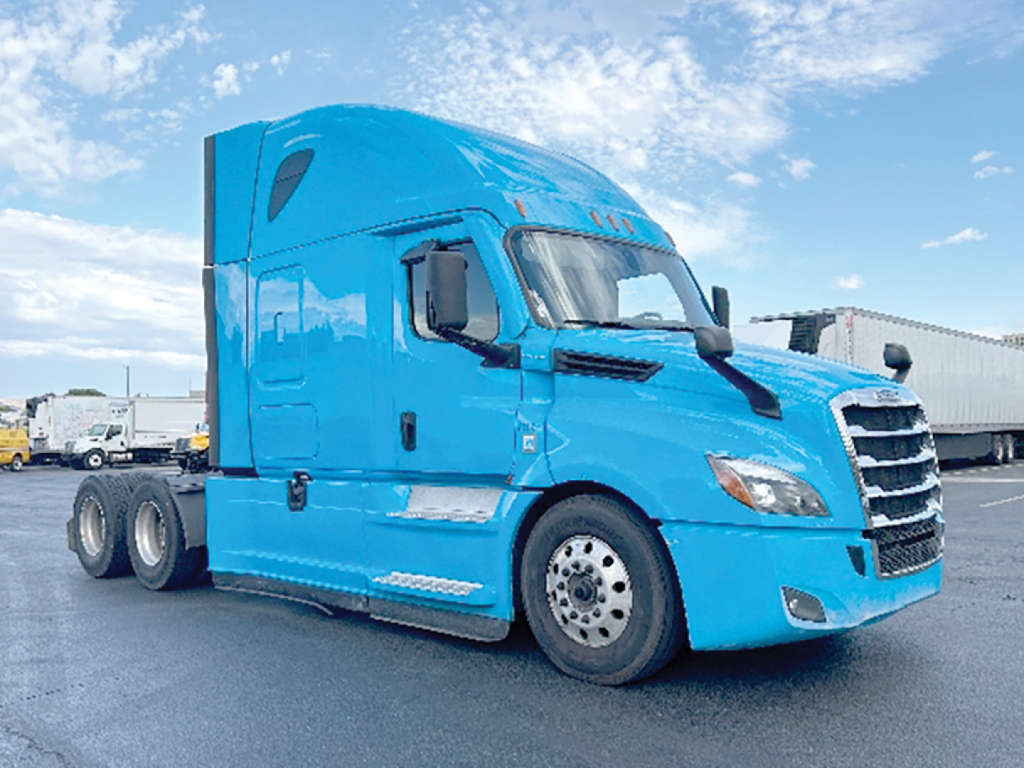
Cab and chassis details matter just as much as engine and transmission. Day cabs should be evaluated for wheelbase, fifth wheel type, visibility, collision mitigation features, and disc versus drum brake configuration. Sleeper trucks need closer attention on sleeper size, bunk layout, APU, bunk heater, refrigerator, workstation, and fuel tank capacity because those features affect driver retention and idle reduction. On straight trucks, body length, frame condition, PTO or body equipment provisions, and additions like a Moffett mount kit can be more important than appearance. Aluminum wheels, low-profile 22.5 tires, air ride suspension, and aerodynamic fairings are common spec items that can improve ride quality, fuel economy, and resale appeal.
Vacaville is well positioned for freight moving through Northern California, with access to major distribution corridors, port-related freight lanes, and regional delivery routes. That makes truck selection especially dependent on where the unit will run. A sleeper with a raised roof and 40,000 lb rear axles is a practical fit for western over-the-road service, while a shorter wheelbase day cab may be the better choice for terminals, drop-and-hook freight, and urban maneuvering. Buyers comparing trucks in this class should focus on emissions system history, maintenance records, mileage versus engine hours, brake and tire condition, and how the existing spec matches the intended lane. A truck that is correctly geared, properly rated, and configured for the work usually performs better and costs less to operate over time than a higher horsepower unit with the wrong setup.
Frequently Asked Questions about Trucks Near Vacaville, California
What is the difference between a day cab and a sleeper truck?
A day cab does not have a sleeping compartment and is typically used for local, regional, drayage, and dedicated route work. It usually has a shorter wheelbase, lower weight, and better maneuverability than a sleeper. A sleeper truck includes a bunk area and often additional storage, larger fuel capacity, and driver comfort features, making it the better fit for long-haul applications and multi-day trips.
What horsepower range is typical for used highway trucks?
Used highway tractors commonly fall in the 425 to 505 horsepower range, especially with engines like the Detroit DD15 and Volvo D13. That range is generally enough for dry van, reefer, and many flatbed applications when paired with the right axle ratio and transmission. Buyers should not select horsepower alone, because gearing, gross combination weight, terrain, and duty cycle have a major impact on real-world performance.
Why does rear axle ratio matter when buying a truck?
Rear axle ratio affects launch, gradeability, cruise RPM, and fuel economy. Lower numerical ratios such as 2.47 or 2.85 are common in linehaul tractors because they support lower engine RPM at highway speed and can improve fuel efficiency. Higher numerical ratios such as 4.63 are more common on straight trucks and vocational units where low-speed pulling power, stop-and-go performance, and body application matter more than highway cruise economy.
What should I check on a used straight truck or flatbed truck?
On a used straight truck, buyers should inspect both the chassis and the body. Important items include frame condition, body length, floor and deck wear, suspension, brake condition, tire match, PTO or hydraulic provisions, and any specialty equipment such as liftgate or Moffett mounting hardware. It is also important to confirm axle ratings, wheelbase, and body placement so the truck is properly balanced for the loads it will carry.
Are automated manual transmissions a good choice in used trucks?
Automated manual transmissions are a common choice in late-model fleet trucks because they can improve shift consistency, reduce driver fatigue, and help protect the driveline from poor shifting habits. Systems like the Volvo I-Shift and Detroit DT12 are widely used in highway applications. Buyers should still review clutch calibration history, software updates, and service records, because transmission performance depends heavily on proper maintenance and correct operation.