
Used Commercial Trucks For Sale in Missouri
Used trucks for sale in Missouri, from day cabs to sleepers. Compare specs, tare weight, cooling health, and corrosion to match loads and routes.
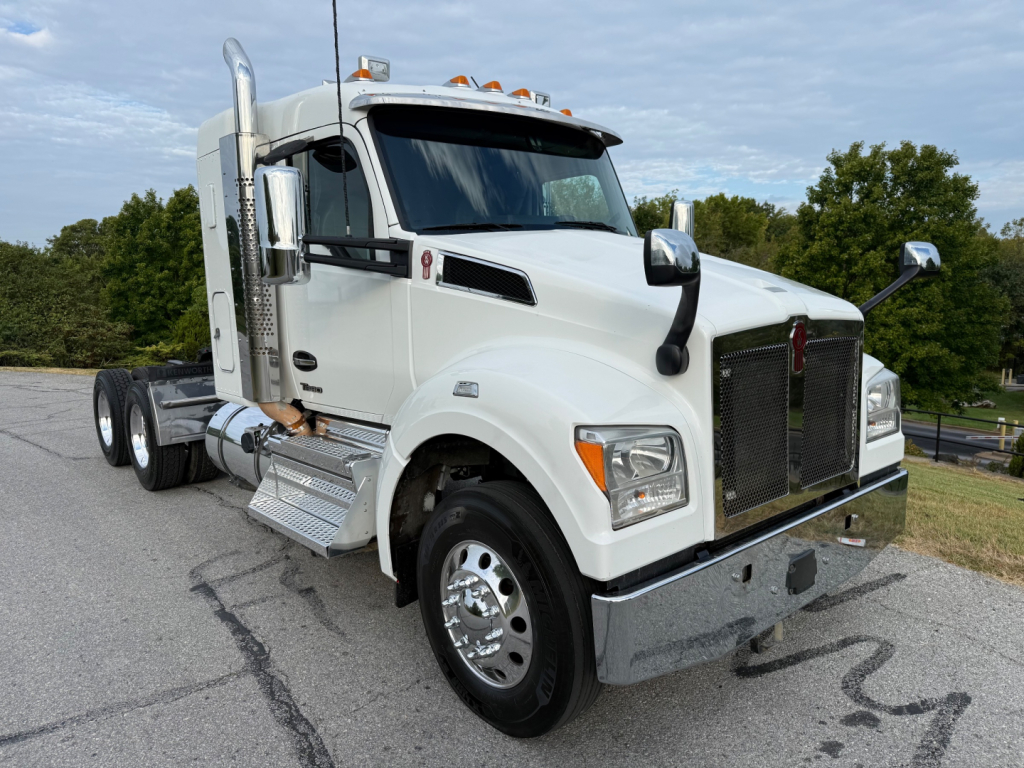
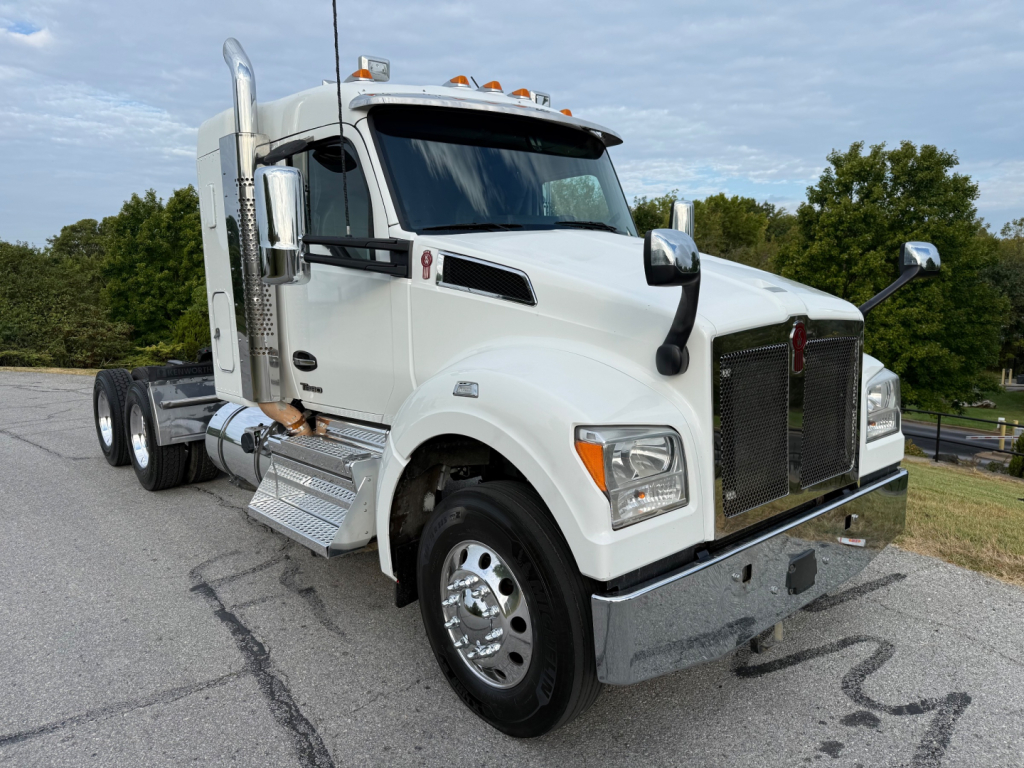
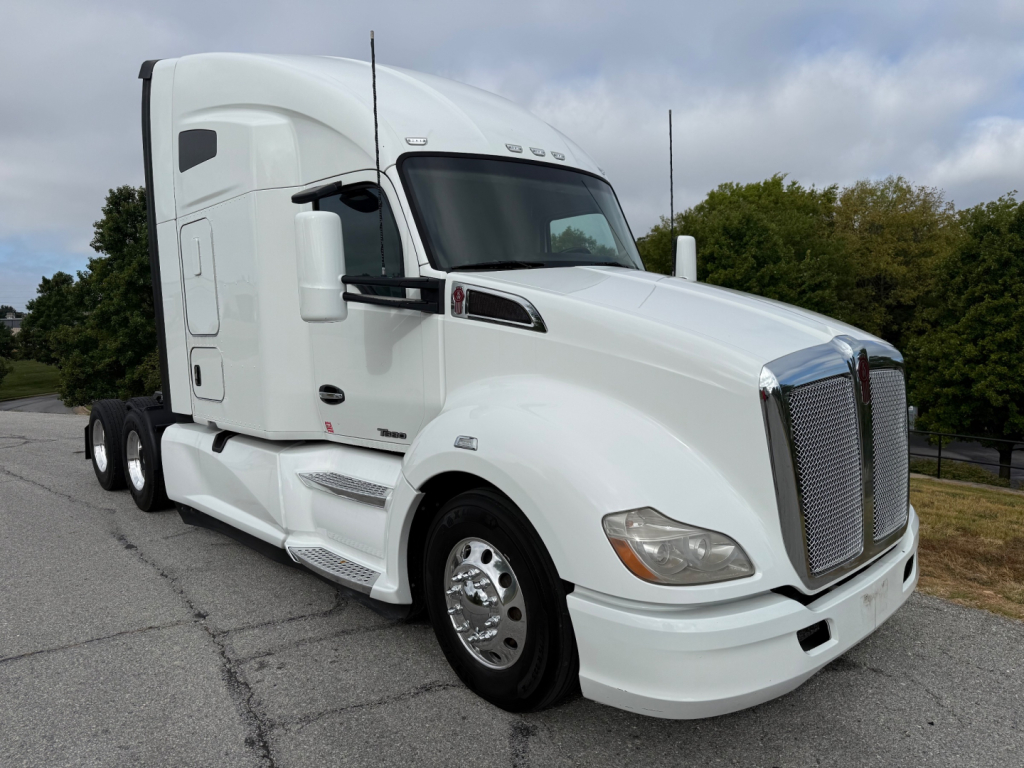
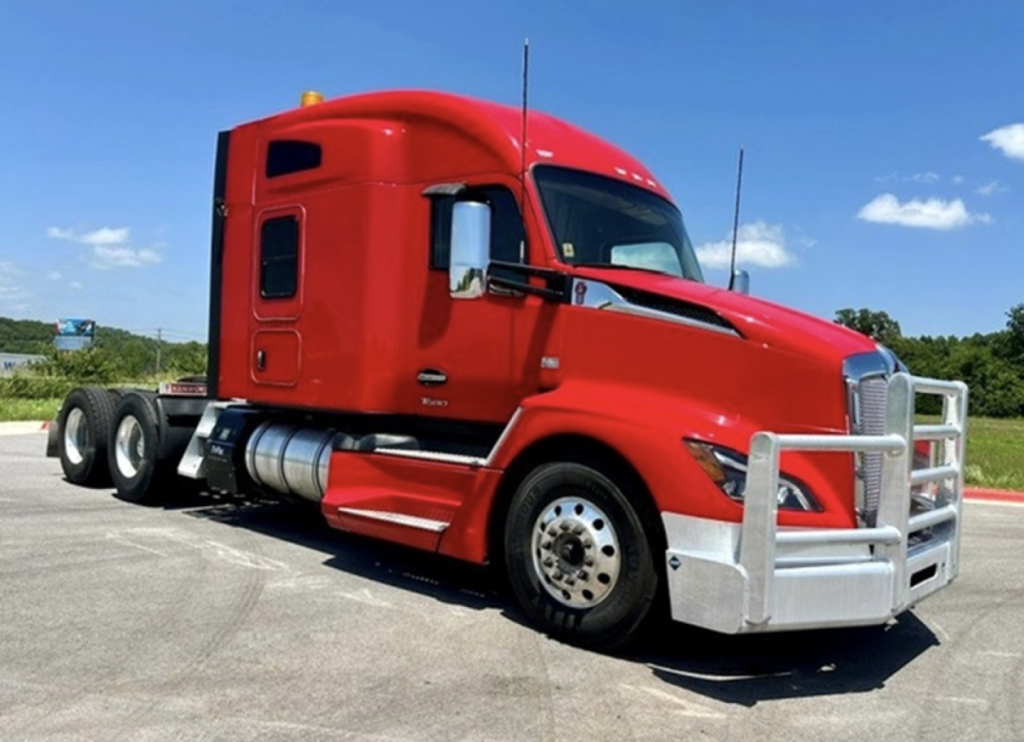
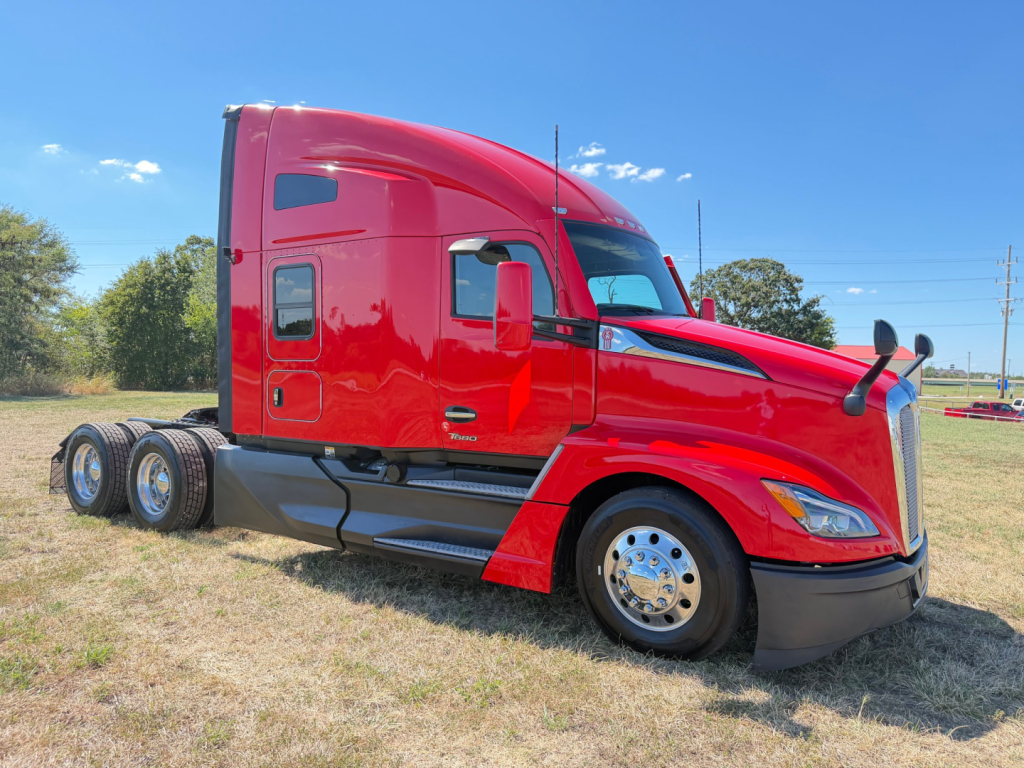
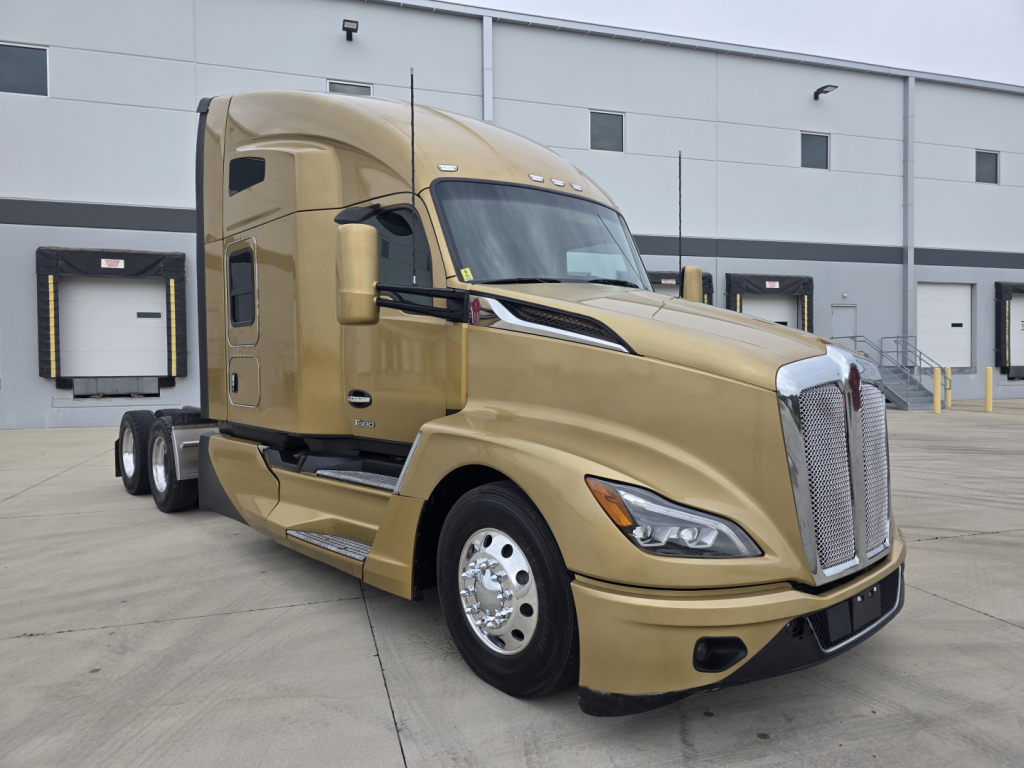
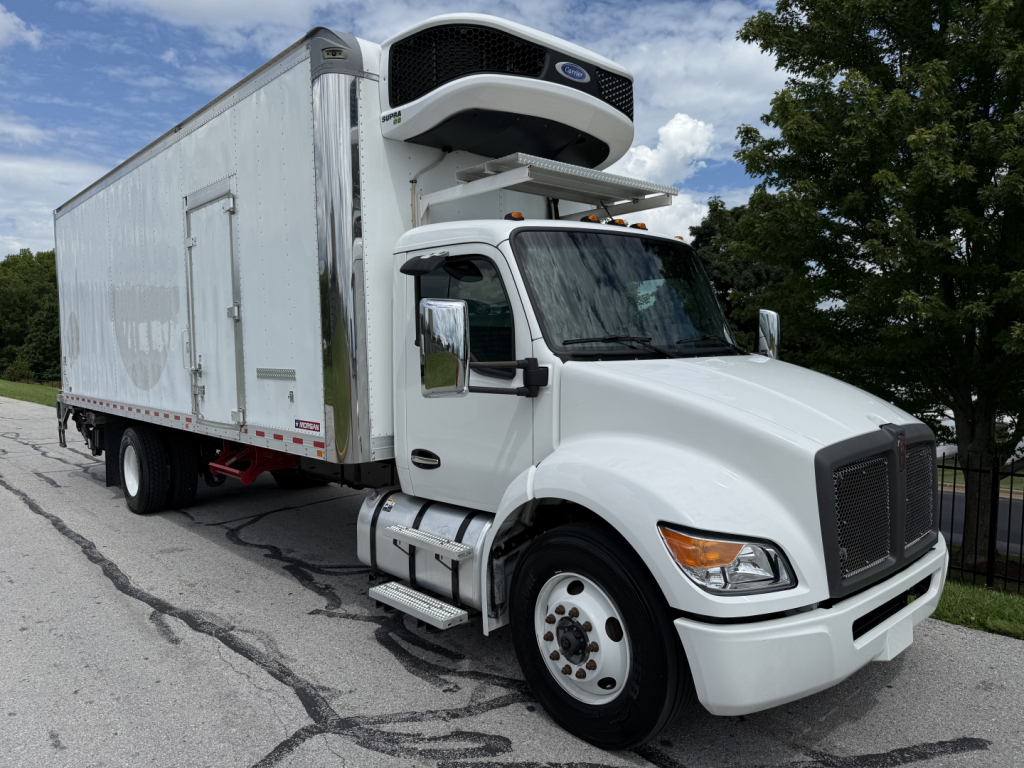
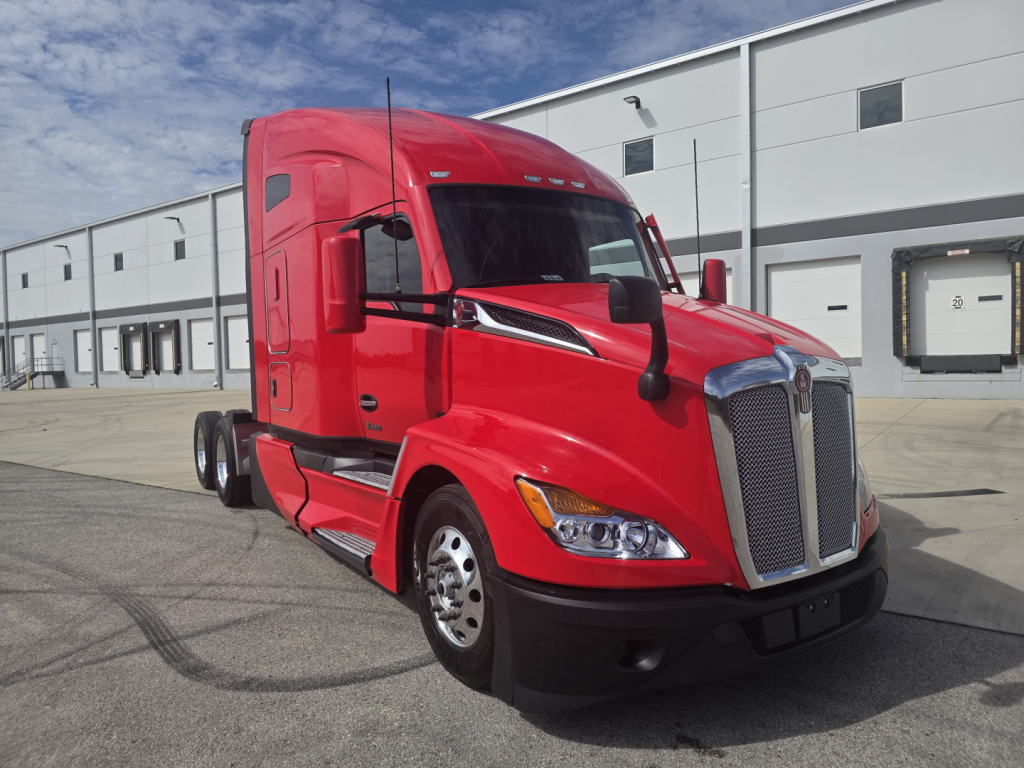
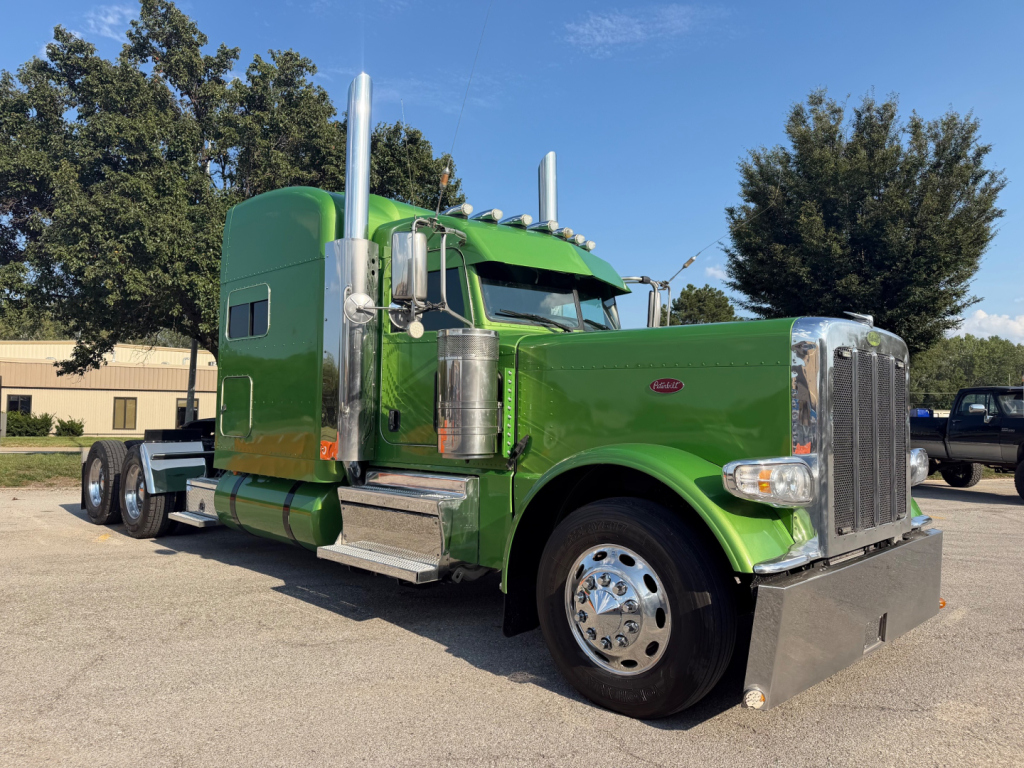

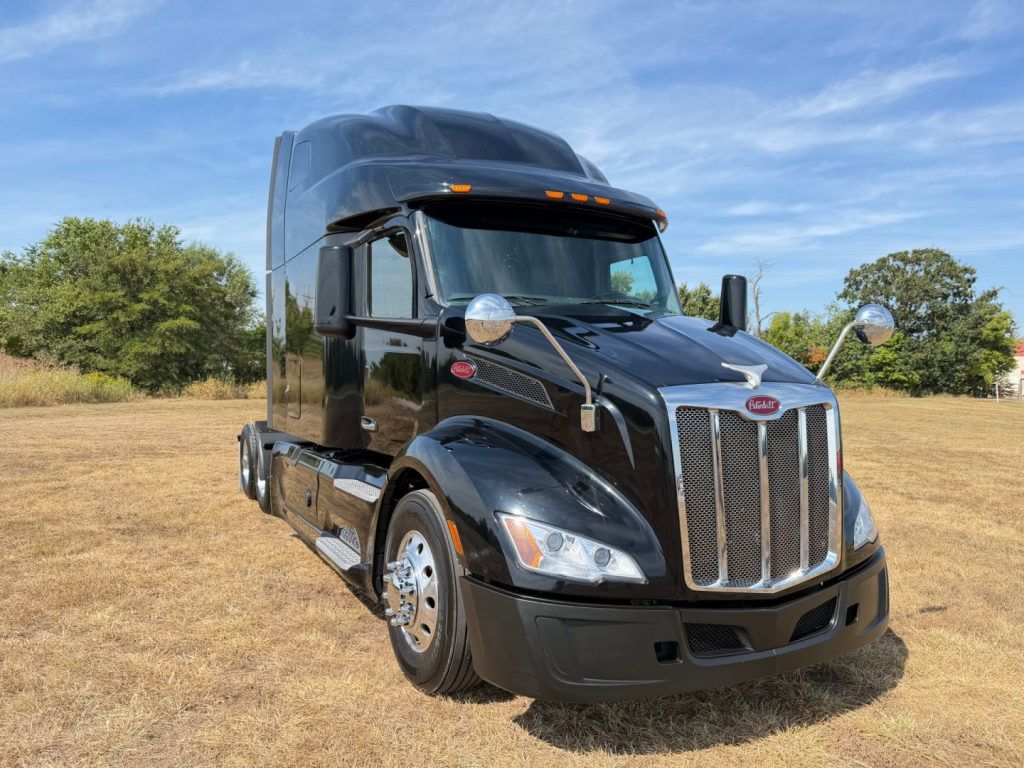
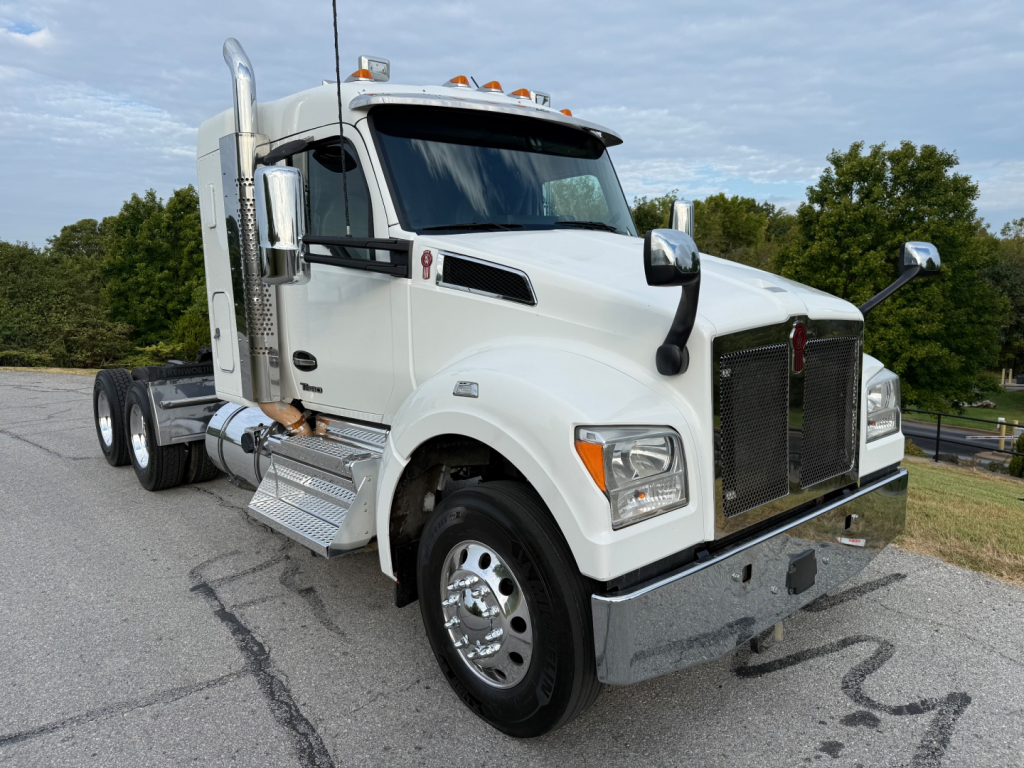
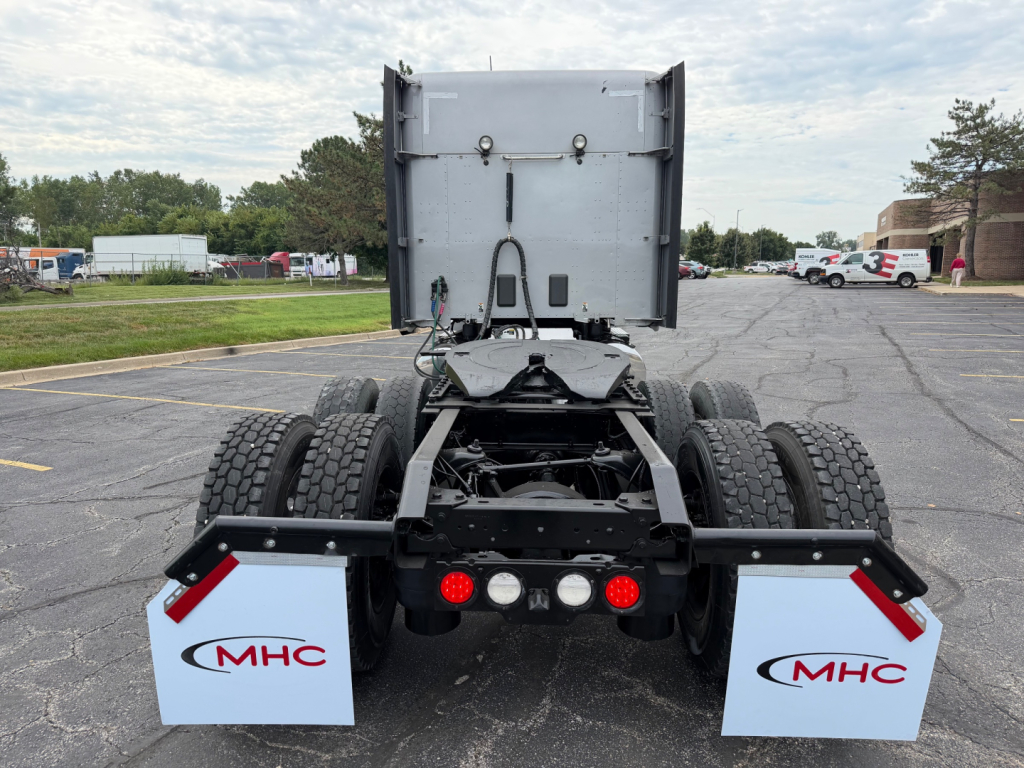
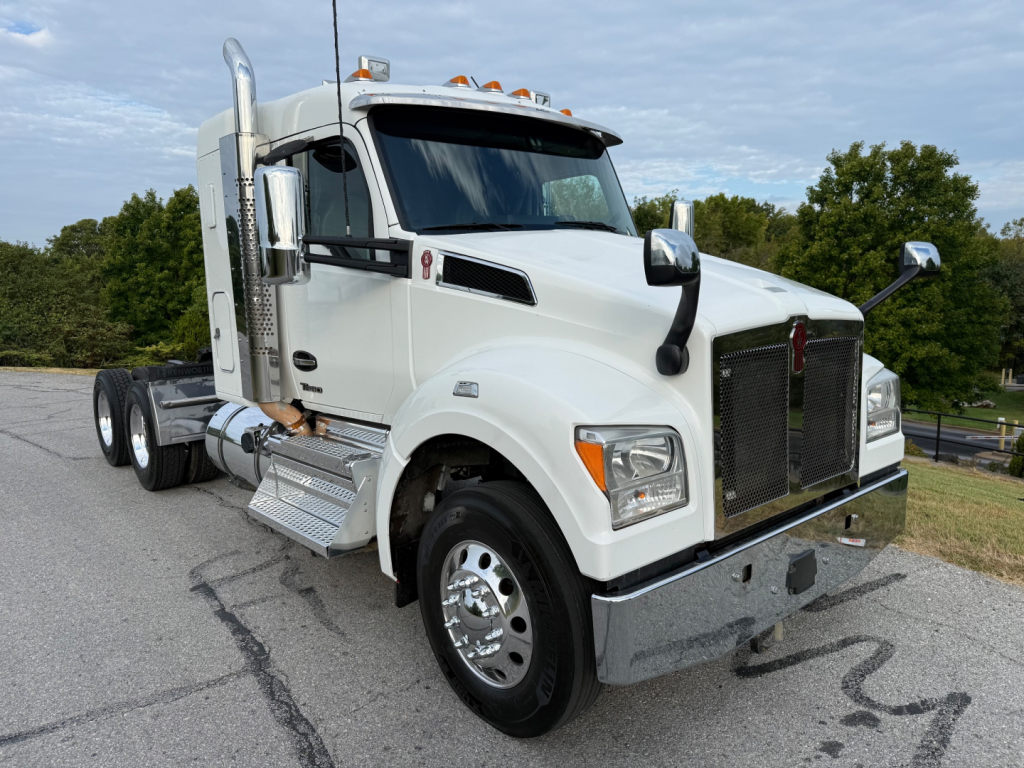
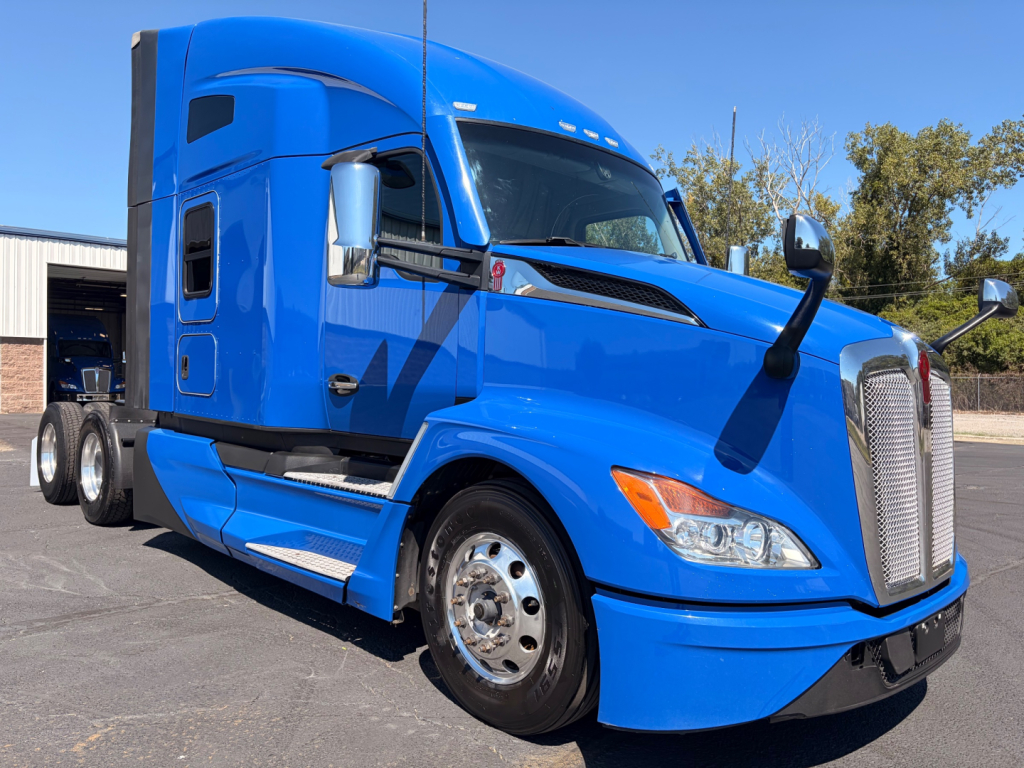
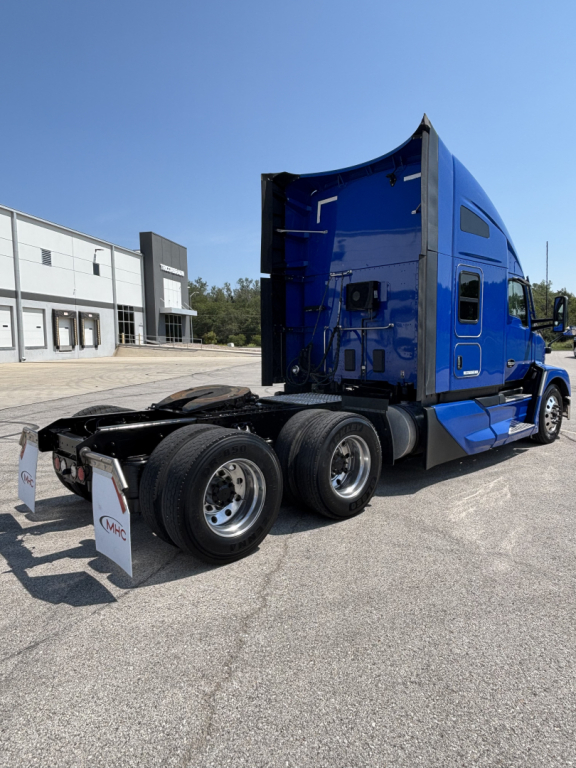
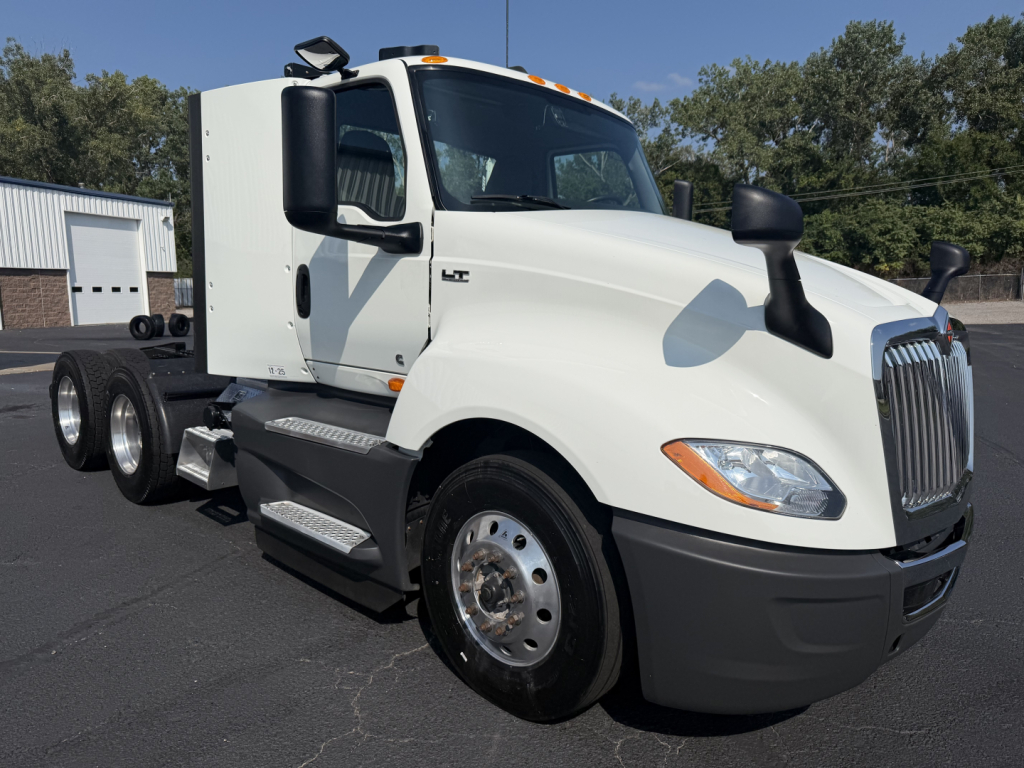
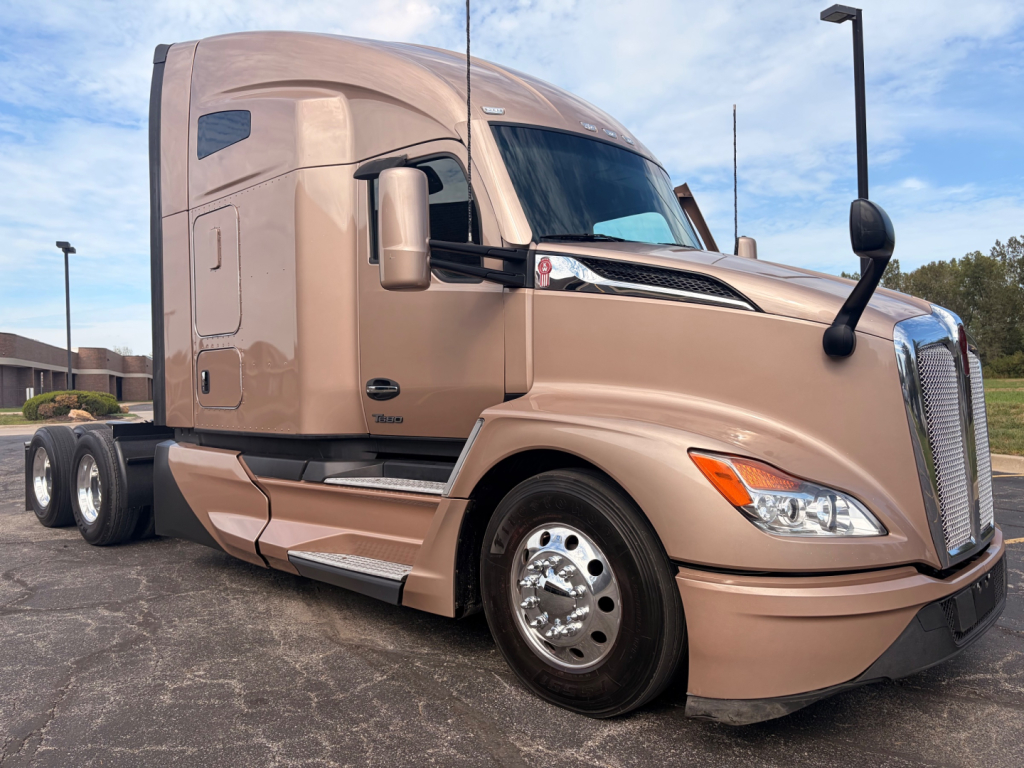

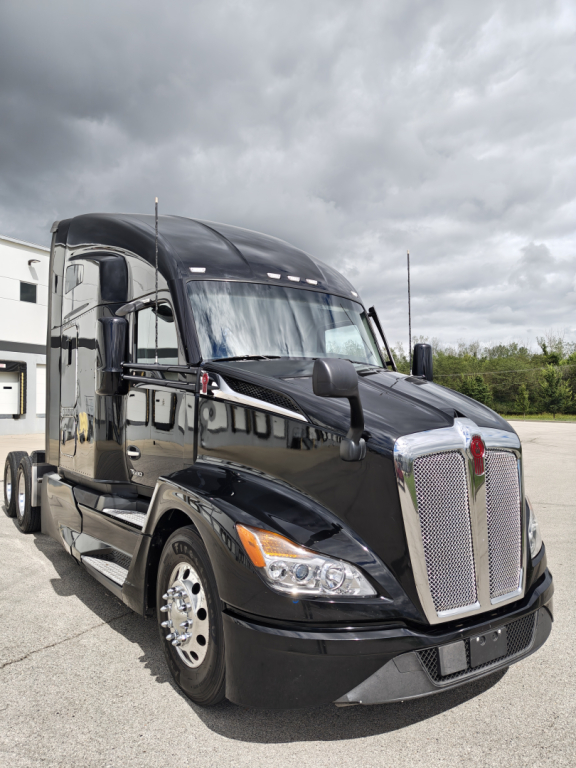

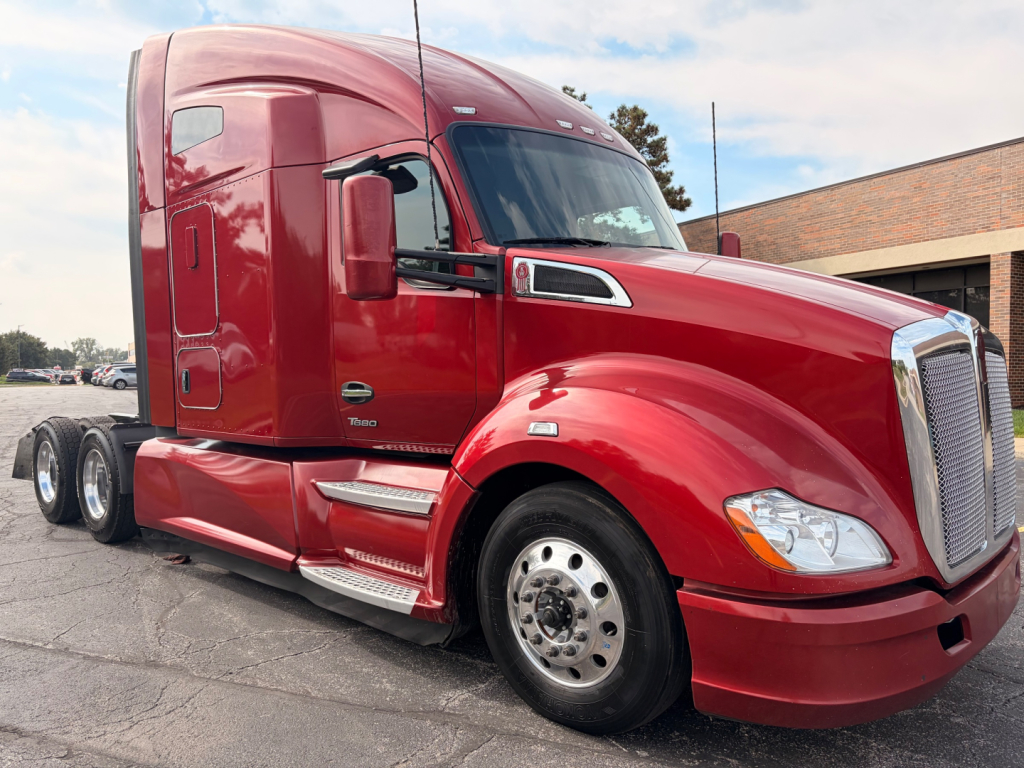
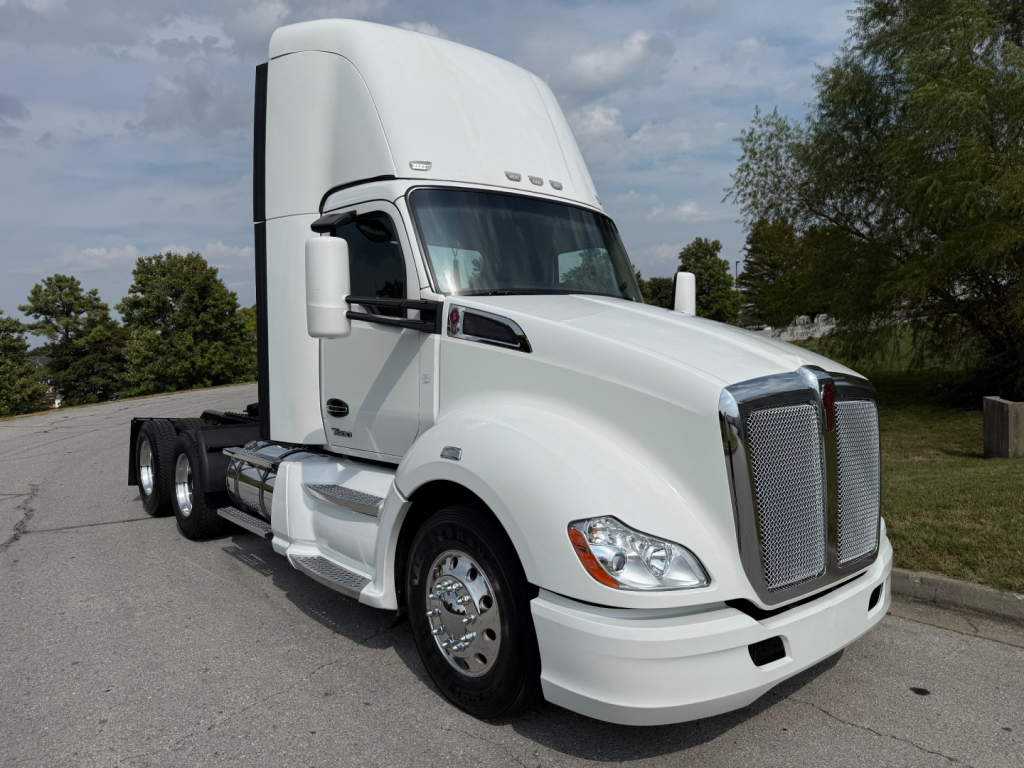
Showing 29 to 56 of 77 results
Looking for the easiest place to sell your used commercial truck? List it here to reach thousands of buyers.
Used Commercial Trucks in Missouri
Structural integrity determines service life and resale. Inspect frame rails for straightness, uniform flange thickness, and signs of drill-and-fill or heat repairs. Pay close attention to crossmembers near suspension hangers and the fifth wheel pedestal, along with kingpin load history recorded as slider stop wear and rail gouging on tractors that pulled heavy loads. Inside the cab and sleeper, check floor pans at seat pedestals and battery box transitions for rust creep or soft spots, and review body-builder mounting points on vocational units for cracked gussets or elongated bolt holes. Strong structure preserves alignment, protects driveline angles, and prevents costly crack propagation.
Tare weight drives payload and fuel cost. Aluminum wheels, air tanks, and hubs, composite leafs, and smaller dual fuel tank sets reduce empty weight, while 6x2 tandems and wide-base singles lower rolling resistance. The tradeoff is traction margin and tire wear in wet or snowy conditions, which can matter during Missouri winter storms, so factor in differential locks, liftable pusher axles, and tire spec. Air-ride suspensions protect freight and drivers but can add weight compared to steel spring or walking-beam vocational sets. Match axle ratings, wheelbase, and fifth wheel placement to scale cleanly at 80,000 pounds without overloading the steer or drives.
Thermal integrity affects uptime. Pressure-test the cooling pack, inspect the charge-air cooler for leaks, confirm thermostat and fan clutch operation, and check CAC outlet temps against spec on a road test. Review aftertreatment history for DPF cleanings, NOx sensor replacements, and SCR doser service, then verify forced-regen times in the ECM. In the cab and sleeper, evaluate HVAC performance, APU or bunk heater output, door and window seals, and insulation quality that stabilizes cab temperatures and reduces A/C load. Missouri roads see deicers, so inspect for corrosion at frame kick-ups, spring hangers, battery boxes, aluminum cab seams, wiring connectors, ground lugs, and air and brake lines. A quick ECM download, blowby measurement, and oil and coolant analysis provide objective data before committing.
Frequently Asked Questions about Used Commercial Trucks in Missouri
What specs matter most when choosing a used semi truck in Missouri?
Start with duty cycle and routes. For I-70 linehaul, prioritize aerodynamic sleepers, downsped drivetrains, and axle ratios that hold target cruise rpm at 62 to 70 mph. For I-44 and hilly lanes, choose higher torque ratings, stronger engine braking, and ratios that keep the engine in the fat torque band on grades. Urban work benefits from shorter wheelbases, tighter wheel cuts, and automated manuals. Confirm axle ratings, suspension type, and fifth wheel placement so you can scale legally without moving freight.
How can I assess frame and floor strength on a used tractor?
Sight down both frame rails for sway or twist, then measure flange and web thickness if corrosion is present. Inspect crossmembers at suspension hangers and the fifth wheel platform for cracks, missing rivets, or fretting rust. Inside the cab and sleeper, lift mats to check floor pans and seat pedestal areas for soft spots or bubbling. On vocational trucks, examine body and PTO mounting points for elongated holes and cracked gussets. Excess slider rail wear, loose fifth wheel jaws, or uneven bolster pads can indicate heavy kingpin loads and potential stress history.
How do I balance tare weight and durability for Missouri weight limits?
Lightweight components like aluminum wheels, hubs, and tanks, composite springs, and wide-base singles reduce tare and boost payload and mpg. The tradeoff is traction margin and possible tire wear, especially in winter conditions, so consider full lockers, liftable axles, and appropriate tire compounds. Air-ride improves ride and freight protection, while heavier-duty suspensions suit off-pavement or vocational work. Aim to scale at 80,000 pounds with axle loads in balance by selecting the right wheelbase, fifth wheel setting, and tank placement.
What proves good thermal integrity on a used truck?
A healthy cooling system will pass a pressure test, show stable coolant chemistry, and keep outlet temps within spec under load. The charge-air cooler should hold pressure with minimal drop, the fan clutch should engage decisively, and thermostats should regulate predictably. Aftertreatment health is seen in reasonable forced-regen times, recent DPF service records, and clean NOx and differential pressure sensor data. In the cab, strong A/C vent temps, tight door and window seals, functioning APU or bunk heater, and quiet blower operation indicate solid thermal performance.
How should I check for corrosion on Missouri trucks?
Focus on frame kick-ups, suspension hangers, fifth wheel pedestals, and crossmember seams for scale or lamination. Inspect aluminum cab seams, battery boxes, step assemblies, and deck plates for white oxidation and fastener corrosion. Trace wiring harnesses for greened pins and broken conduit, and check ground straps for resistance. Look over air tanks, brake chambers, and metal air lines for pitting, and verify that hardware is not frozen. Fresh undercoating over heavy scale is a red flag, so probe suspect areas with a pick and measure remaining metal where needed.