
Used Step Van Trucks For Sale in Missouri
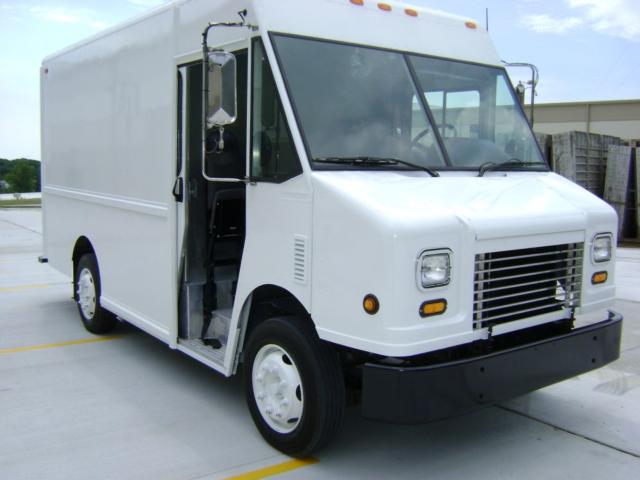
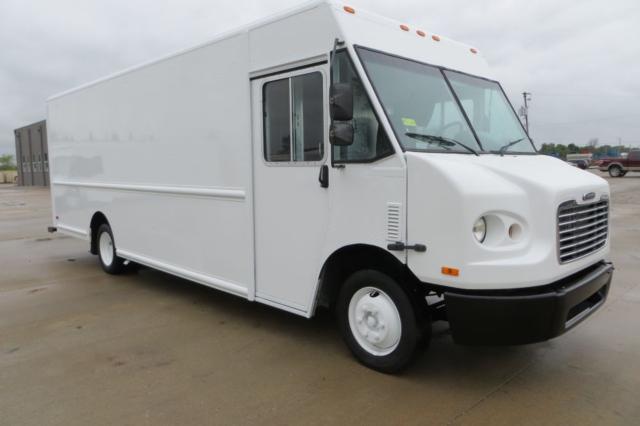
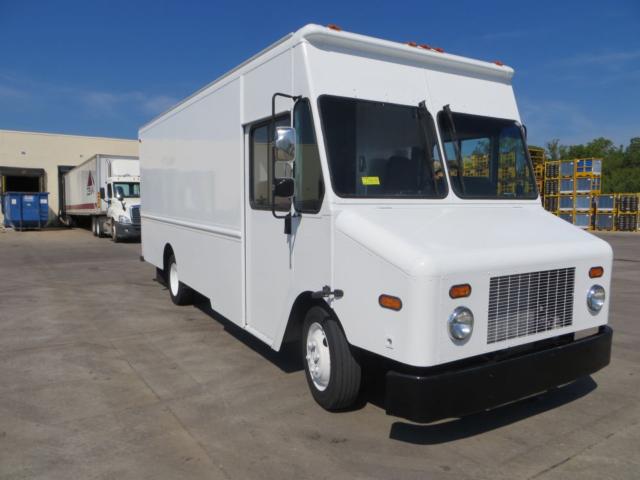
Have used step van truck to sell? List it here to reach thousands of buyers.
Used Step Van Trucks in Missouri
The first buying decision is usually body size and payload. A shorter 12 to 16 foot body is easier to maneuver in tight city streets, alleys, and crowded lots. An 18 to 22 foot body adds cube for parcel, uniform, vending, or light bulk delivery work, but turning radius, rear overhang, and dock access become more important. Buyers should verify interior height, door opening dimensions, shelving layout, and whether the truck has a roll-up rear door or swing doors. On used step vans, body condition matters as much as the chassis. Check for roof leaks, corrosion around the step well, floor wear, door track condition, and signs of repeated curbside impact around the body corners.
On the chassis side, used step vans are often powered by medium-duty diesel engines, though gasoline configurations exist, especially on Ford platforms. Transmission condition is critical because these trucks spend much of their life in constant acceleration and braking cycles. Brake wear, front suspension components, steering play, and cooling system service history should all get close attention. Many step vans idle for long periods and rack up engine hours faster than mileage suggests, so hour meter readings, maintenance records, and evidence of injector, turbo, or aftertreatment work can tell you more than odometer miles alone. If the truck will operate across Missouri year-round, inspect frame and underbody condition carefully for corrosion from winter road treatment.
A good used step van should match the route, not just the price. Look at wheelbase, GVWR, cargo access, and driver ergonomics as closely as engine and mileage. Some buyers need a basic empty cargo box for delivery service, while others need shelving, bulkheads, side access doors, or a stripped chassis suitable for a custom build. If the truck is being considered for food service or specialty upfit work, confirm generator space, electrical capacity, roof structure, and local code compliance requirements before purchase. The right step van can be a durable, highly productive platform, but the best value usually comes from choosing a truck with the correct body length, service history, and route-ready configuration from the start.
Frequently Asked Questions about Used Step Van Trucks in Missouri
What is a step van truck used for?
A step van truck is designed for high-frequency stop-and-go operations where the driver needs to enter and exit the vehicle quickly. Common applications include parcel delivery, bread and snack routes, linen and uniform service, vending, mobile repair fleets, and food truck conversions. The walk-in body design, flat cargo floor, and easy cab-to-box movement make it more efficient than a conventional box truck for dense route work.
What should I check first on a used step van?
Start with body size, chassis condition, and signs of route-duty wear. On most used step vans, pay close attention to the step well, cargo floor, rear door operation, roof leaks, steering components, brakes, and transmission performance. Maintenance records, engine hours, and evidence of cooling system or aftertreatment repairs are especially important because many step vans accumulate wear through idling and repeated short trips rather than long highway miles.
What body length is best for a step van?
The best body length depends on the route and the type of freight. A 12 to 16 foot step van is easier to maneuver in urban areas and tight parking lots, while an 18 to 22 foot body offers more cargo cube for parcel, linen, or light product delivery. Buyers should balance cargo volume against turning radius, parking access, and rear overhang, especially if the truck will operate in older city neighborhoods or make frequent curbside stops.
Are diesel or gas step vans better for used buyers?
Diesel step vans are common in medium-duty fleet service and are often preferred for torque, durability, and heavier payload use. Gas-powered step vans can be simpler for some operators and may offer lower upfront cost, especially on certain Ford chassis. The better choice depends on route length, idle time, maintenance capability, payload demands, and local service support. On a used unit, condition and documented maintenance usually matter more than fuel type alone.
Can a used step van be converted for specialty use?
Yes. Step vans are often repurposed for food trucks, mobile workshops, tool trucks, municipal service bodies, and promotional vehicles. Before buying for a conversion, confirm interior dimensions, roof height, axle capacity, electrical system layout, and structural condition of the body. It is also important to verify that the chassis can support the added equipment weight and that the final build can meet local licensing, health, or inspection requirements.