
Used Step Van Trucks For Sale
Used step van trucks guide for buyers. Compare MT45 vs MT55, body sizes, GVWR, gas vs diesel, payload, and key inspection tips for walk-in vans.
Have used step van truck to sell? List it here to reach thousands of buyers.
Used Step Van Trucks
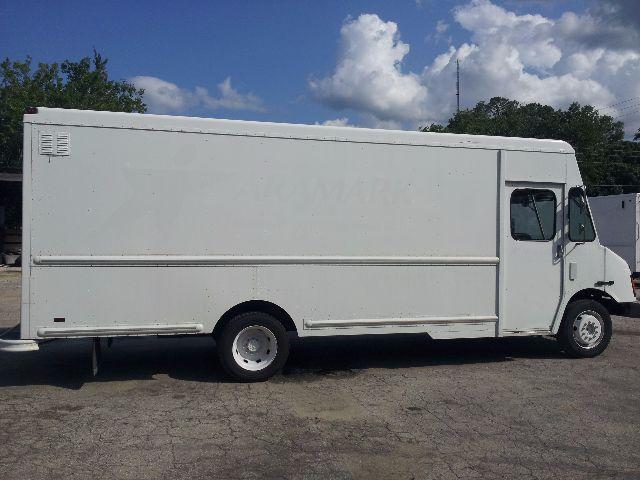
Body and interior specs drive route efficiency as much as the chassis. Common body lengths range 12 to 22 feet with stand-up interior heights around 85 to 90 inches. Aluminum riveted bodies from Morgan Olson and Utilimaster resist corrosion and keep curb weight down, while steel substructures add durability but can rust if neglected. Look at curbside sliding doors, a secure bulkhead with pass-through, and either a rear roll-up or swing doors. Factory shelves, e-track, and scuff liners protect walls and speed parcel handling; removable shelves help when loads shift from parcels to bulk. For frequent curb deliveries, a low step-in height and right-hand drive can cut dwell time. Ramps save weight and maintenance versus liftgates but require room to deploy; liftgates help with heavy carts and vending payloads. Interior LED lighting, non-slip floors, rear cameras, and backup alarms add safety on night routes.
Most late-model units pair gasoline V8s or V10s with Allison automatic transmissions, or a Cummins 5.9 or 6.7 diesel with Allison 1000 or 2200 series. Gasoline drivetrains carry lower acquisition cost and simpler emissions hardware, which suits short, stop-and-go routes and cold starts. Diesels offer higher torque, better fuel economy under heavy payloads, and longer service life if DPF and DEF systems are maintained; avoid excessive idle on diesel to protect aftertreatment. Rear axle ratios in the mid 4s favor city work, while taller gearing trims RPM at suburban speeds. Heavier MT55 builds may have air brakes and 22.5s for thermal capacity; lighter MT45 rigs stick with hydraulic brakes and 19.5s for easier service. Emerging used electric step vans exist in small numbers and fit depot-charged routes under 120 to 150 miles per day; verify usable battery capacity, charging standard, and OEM service support before committing.
On a used unit, evaluate miles and engine hours together since step vans idle and creep more than highway tractors. Inspect frame rails, spring hangers, and crossmembers for rust, look for water staining on ceiling panels, and check door tracks, rollers, latches, and weather seals. Test the bulkhead lock, rear roll-up balance springs, and any ramp or liftgate under load. Uneven tire wear can flag kingpin, bushing, or alignment issues from curb strikes. Verify the alternator output if powering inverters, printers, or telematics, and confirm upfit wiring was fused correctly. Match GVWR and payload to your heaviest seasonal day, not the average, and confirm CDL requirements if the rating exceeds 26,000. In hot regions, dual evaporator A/C and insulation make a big difference; in cold climates, block heaters and heated mirrors shorten start-up times. If buying for a food truck or mobile workshop conversion, account for generator weight, propane placement, ventilation, and remaining payload after the build so axle ratings are not exceeded.
Frequently Asked Questions about Used Step Van Trucks
What is the difference between an MT45 and an MT55 step van?
MT45 models generally run 14,500 to 19,500 GVWR with 19.5-inch wheels and hydraulic brakes, making them lighter, often under-CDL, and well suited to parcel and service routes. MT55 units step up to 23,000 to 26,000 GVWR with 22.5-inch tires, larger brakes, and heavier frames for more cube and payload. The MT55 carries more but costs more to maintain, may require a CDL depending on rating and state, and has a larger turning circle at similar body lengths.
Do I need a CDL to drive a step van?
A CDL is typically required when the GVWR or GCWR is 26,001 pounds or higher. Many step vans are spec’d under that threshold for non-CDL operation, but heavier MT55 builds can exceed it. Air brakes by themselves do not require a CDL in most states, but CDL holders need the air brake restriction removed to operate them. Always verify your state’s rules and your specific vehicle’s door tag.
Should I choose gas or diesel for a used step van?
Gasoline drivetrains offer lower purchase prices, simpler emissions systems, and quick warm-up for short, stop-and-go routes. Diesels provide higher torque and better fuel economy under heavy payloads and longer service life if maintained, but require proper DPF and DEF care and do not like long idle times. Evaluate daily mileage, payload, idle time, and shop capability; for heavier routes or longer suburban legs, diesel often wins on total cost, while urban parcel routes favor gas.
What should I inspect on a used walk-in van before buying?
Check frame and body for rust, look for roof leaks and water staining, and operate sliding doors, rear roll-up or swing doors, and bulkhead locks. Test liftgate or ramp under load, inspect shelf mounts and scuff liners, and verify electrical upfits, alternator capacity, and battery condition. Review engine hours vs miles, scan for fault codes, and assess tires, kingpins, brakes, and suspension bushings, which take abuse in curb-to-curb work. Confirm GVWR, payload, and licensing fit your operation.
Can a step van be used as a food truck or mobile workshop?
Yes. The stand-up interior, straight walls, and curbside access make step vans strong platforms for food, coffee, mobile repair, and service builds. Plan for generator or shore power, ventilation and fire suppression, water and waste tanks, and propane placement. Weigh the vehicle after the build to confirm axle ratings and remaining payload, and verify local health, fire, and zoning requirements as well as insurance coverage for the new use.